Buying Mandarins in Australia: Season, Selection, Storage
Buying mandarins in Australia comes down to season, variety, weight, skin feel, aroma, and storage.
Buying mandarins in Australia comes down to knowing the season, recognising the variety, and applying a few simple checks at the shop. This guide covers all the key buying questions and links to the detailed pages below.
When are mandarins in season?
Australian mandarins are in season from April to October, with peak supply from May through August. Queensland ships the first fruit each April. Southern growing regions carry supply through winter and into spring.
The season runs in stages:
- April to June: Imperial is the main variety. Early season, easy peel, low seed.
- June to August: Mid-season. Hickson, Daisy, and Afourer are all in supply.
- July to October: Late season. Honey Murcott is the dominant variety. Afourer continues.
Virtually all mandarins sold in Australian shops from April to October are Australian-grown. Imports are minimal.
For the full month-by-month breakdown, see when are mandarins in season in Australia.
How to pick a good mandarin
The best single test is weight. Pick up two mandarins of similar size and choose the heavier one. More weight means more juice. This works regardless of variety or where you are buying.
Other signs to look for:
- Glossy, bright skin (the colour varies by variety)
- A clean citrus smell at the stem end
- Firm skin with a slight give under gentle pressure
Avoid fruit that feels light or hollow, has soft spots or mould at the stem, or has heavily shrivelled skin.
One note on Imperial: Australian-grown Imperials can show a green tinge and still be fully ripe and sweet. Do not pass over an Imperial because the skin is not uniformly orange.
For the detailed guide, see how to pick a good mandarin.
How to store mandarins
At room temperature: up to about one week, kept out of direct sun.
In the fridge crisper: two to three weeks. This is the better option if you are not eating the fruit within a few days.
Avoid sealing mandarins in airtight plastic in the fridge as trapped moisture promotes mould. A loosely covered container or breathable bag works better.
For juicing, bring fruit to room temperature first. Cold fruit yields less juice.
For freezing, juice and zest freeze well. Whole mandarins do not.
For the full storage guide, see how to store mandarins.
Best variety for what you want
Lunchbox: Imperial. Easy to peel, low seed count, right size for children. Available April to June. Later in the season, look for Afourer or Woolworths’ Delite or Amorette.
Juicing: Honey Murcott or Afourer. Both have high juice content. Seeds are not a problem when juicing.
Cooking and preserves: Honey Murcott for sweetness and juice in mandarin marmalade or mandarin curd. Imperial zest is excellent in baking.
Maximum sweetness: Honey Murcott from July onwards. It has the highest brix of commercial varieties and a genuine honey-like flavour.
No seeds: Afourer has a low to moderate seed count and is often effectively seedless. Woolworths also stocks Amorette and Delite, which are bred for very low seed counts.
For a direct comparison of the two most common varieties, see Imperial vs Honey Murcott.
Where to buy
Supermarkets (Coles and Woolworths): Good quality during May to August when turnover is high and supply is fresh. Both chains carry Imperial and Afourer as named varieties. Woolworths also stocks exclusive varieties including Amorette, Delite, Phoenix, and Sumo Citrus. Coles moved its bagged mandarins to recyclable paper packaging in 2024.
Greengrocers and farmers markets: More variety labelling, looser fruit you can select individually, and sometimes better quality for varieties like Hickson and Daisy that supermarkets rarely carry by name. Harris Farm Markets (NSW) is a good greengrocer source.
Farm direct and box schemes: The freshest option. Queensland growers in the Gayndah and Mundubbera district ship direct during the season. A 10 kg box of Imperials can cost $30 to $50 delivered, competitive with supermarket pricing for premium fruit. Mixed produce box services typically include mandarins from May to August.
See mandarin box schemes and farm direct for options.
Farm gate and pick-your-own: A small number of orchards offer this experience in NSW (Ford’s Farm on the Hawkesbury) and some regions of Queensland and Victoria. Seasonal and bookings required.
Price expectations
Prices vary through the season. During peak Queensland supply in May and June, bagged Imperials at supermarkets typically run $3 to $5 per kilogram. Later season Honey Murcott is often slightly higher. Farm-direct boxes can be cheaper per kilogram in volume.
Loose Imperials at premium greengrocers run around $6 per kilogram or $0.75 per large piece. Tinned mandarins in syrup cost around $1.30 for a 310g can at both major supermarkets.
Lunar New Year buying
Mandarins are a traditional Lunar New Year gift, symbolising good fortune. Demand spikes each year in January or February, which is outside the Australian fresh mandarin season. Tinned mandarins and imported mandarins are the main retail options at this time of year.
For more on mandarin significance at Lunar New Year, see the Lunar New Year mandarins page.
Buying pages
- When are mandarins in season in Australia
- How to pick a good mandarin
- How to store mandarins
- Imperial vs Honey Murcott
- Mandarin box schemes and farm direct
Related pages
Explore Buying Guide
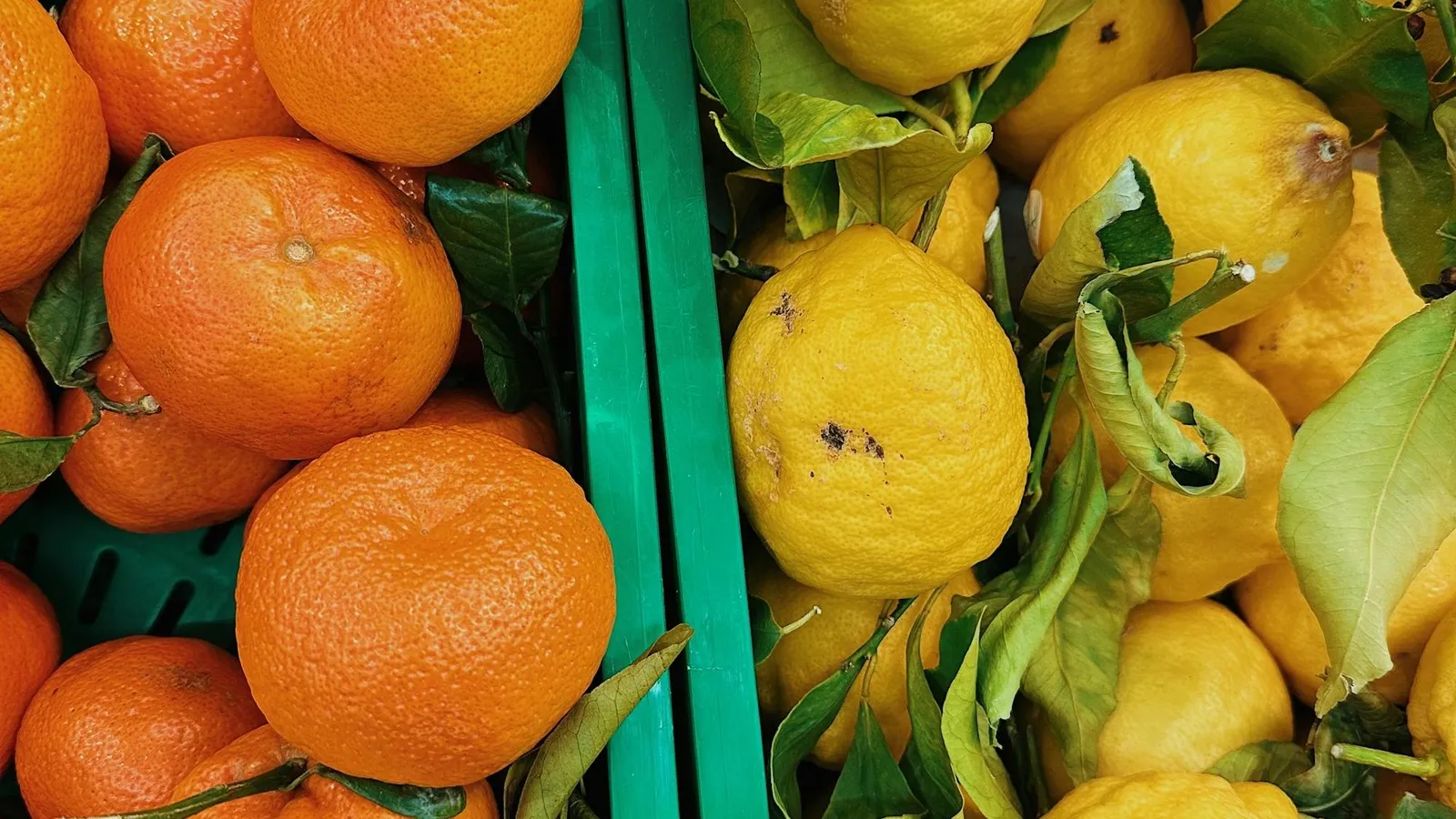
How to Pick a Good Mandarin: Freshness Buying Tips
Learn how to pick a good mandarin every time. Check weight, skin firmness, and aroma to choose juicy, sweet fruit and avoid dry, puffy citrus.
How to Store Mandarins to Keep Them Fresh
Keep mandarins fresh for weeks using proper storage. Learn whether to refrigerate citrus, how long fruit lasts on the bench, and how to prevent mould.
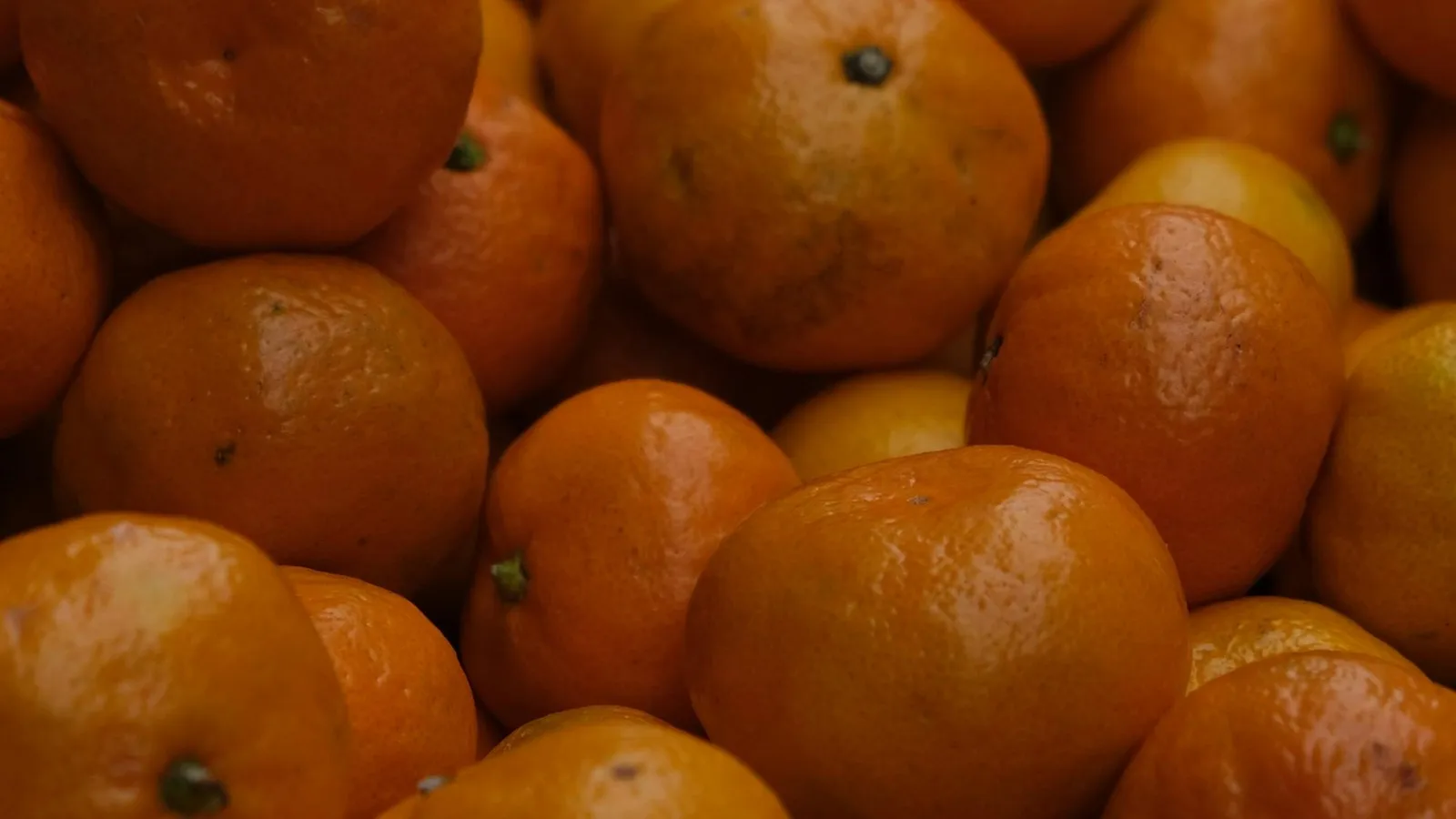
Imperial vs Honey Murcott: Taste, Seeds, and Season Guide
Compare Imperial vs Honey Murcott mandarins. Imperials peel easily with few seeds, while Honey Murcotts are richer, sweeter, and contain noticeable seeds.
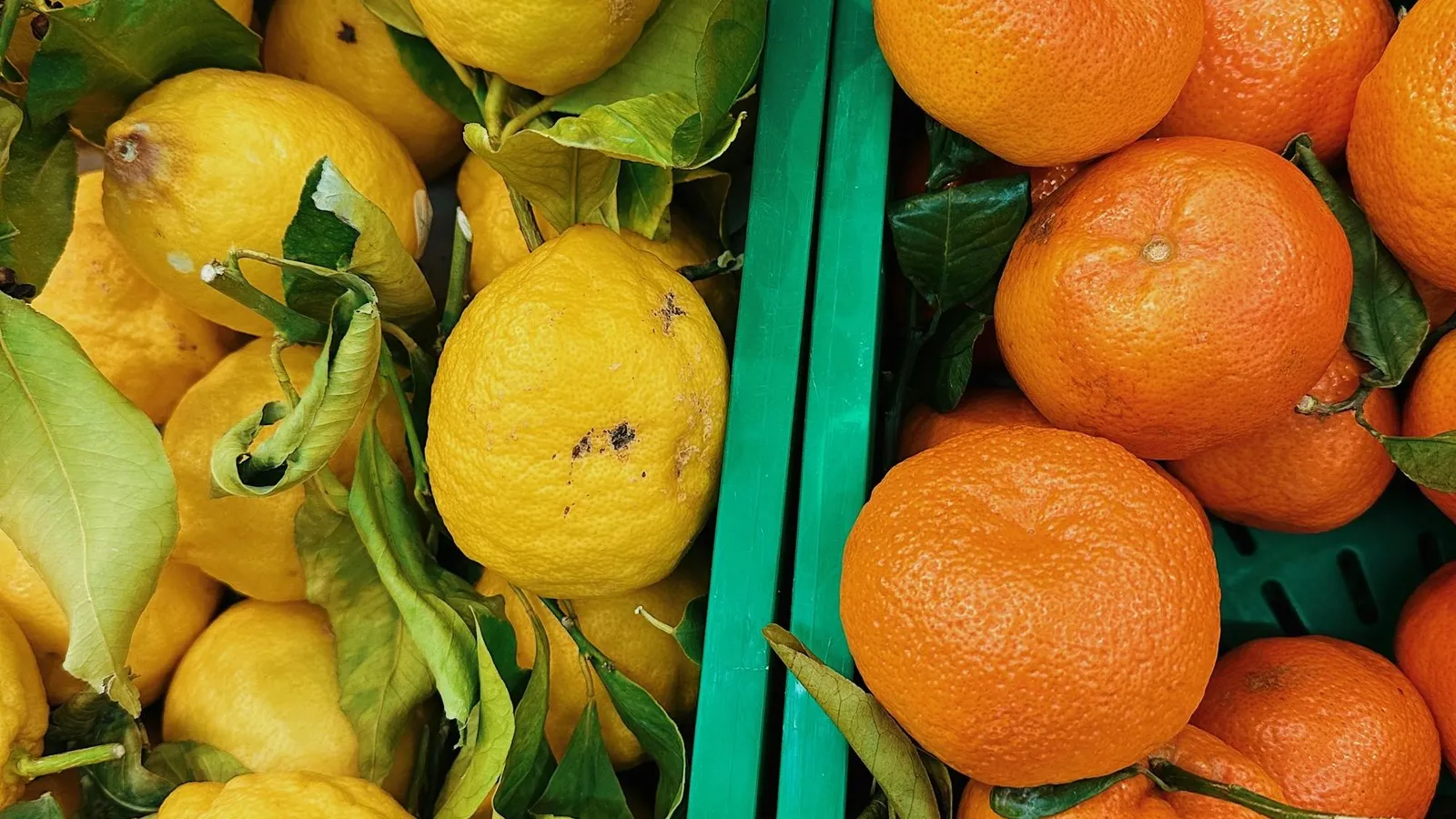
Mandarin Box Schemes and Farm Direct Citrus
Buy fresh citrus direct from Australian orchards through mandarin box schemes. Learn how farm delivery works, what boxes cost, and when to place an order.
Mandarin Season Australia: Monthly Harvest Calendar
Australian mandarin season runs from April through October, peaking during winter. Find out when popular varieties like Imperial and Afourer are picked.
Mandarins in August (Australia)
Mandarins in August in Australia: Honey Murcott takes over, Afourer arrives, and the sweetest mandarins of the year are in the shops.

Mandarins in July (Australia)
Mandarins in July in Australia: Imperial winds down, Hickson and Daisy fill the mid-season, and the first Honey Murcott appears late in the month.
Mandarins in June (Australia)
Mandarins in June in Australia: Imperial is at full peak, Hickson is in the mix, and supermarket prices ease as supply lifts.
Mandarins in May (Australia)
Mandarins in May in Australia: Imperial is the dominant variety, Queensland fruit is at the supermarket, and the first farmers market fruit appears.
Mandarins in September (Australia)
Mandarins in September in Australia: Afourer and late Honey Murcott carry the season, with seedless Tango and Mandared in some shops.