Mandarin Recipes for the Australian Season
Mandarin recipes suit winter cooking: cakes, curd, marmalade, syrup, sorbet, dressings, peel, and cocktails.
Mandarin recipes belong to winter. The Australian season runs from May through August, with Imperial arriving first, Honey Murcott peaking in July, and Afourer available across the full period. That is a four-month window for cakes, preserves, frozen desserts, syrups, and cocktails made from fruit at its best.
This page maps the recipe categories available on Mandarins.com.au, with variety guidance and links to each collection.
What’s in season when you cook
May to June: Imperial is the workhorse variety. Easy to peel, seeds manageable, flavour clean and bright. Good for cakes, curd, and dressings. First choice for baking and preserving when the season opens.
June to July: Honey Murcott arrives. Sweeter, juicier, more seeds. The best variety for marmalade, sorbet, and syrup because of the high juice content and intense flavour. Needs more seed-removal work but worth it.
May to September: Afourer is available across the broadest window and is seedless. Ideal for curd, dressings, and any recipe where seeds are a problem. Strong aromatic character suits sorbet and cocktails.
See when Australian mandarins are in season for the full variety calendar.
Variety guide for cooking
| Use | Best variety | Reason |
|---|---|---|
| Cakes (whole fruit) | Imperial or Honey Murcott | Flavour, peel quality |
| Marmalade | Honey Murcott | Juice content, sweetness, seeds for pectin |
| Curd | Afourer | Seedless, aromatic juice |
| Sorbet | Honey Murcott | Juice volume, deep colour |
| Syrup | Honey Murcott or Imperial | Flavour intensity |
| Dressings | Afourer | Seedless, aromatic |
| Cocktails | Afourer or Imperial | Fresh juice, seedless preferred |
| Candied peel | Imperial | Thin, fragrant peel |
Preserves and baking
Mandarin marmalades is the classic Australian jar preserve. A winter batch of mandarin marmalade makes a good gift and keeps for up to a year. The collection covers five styles: classic Imperial, Honey Murcott, whisky-spiked, mandarin and lemon, and mandarin and ginger.
Mandarin cakes covers the whole-fruit boiled cake (the one most Australians know), the syrup cake, almond and polenta, semolina, and upside-down. All five are suited to home baking from May through August.
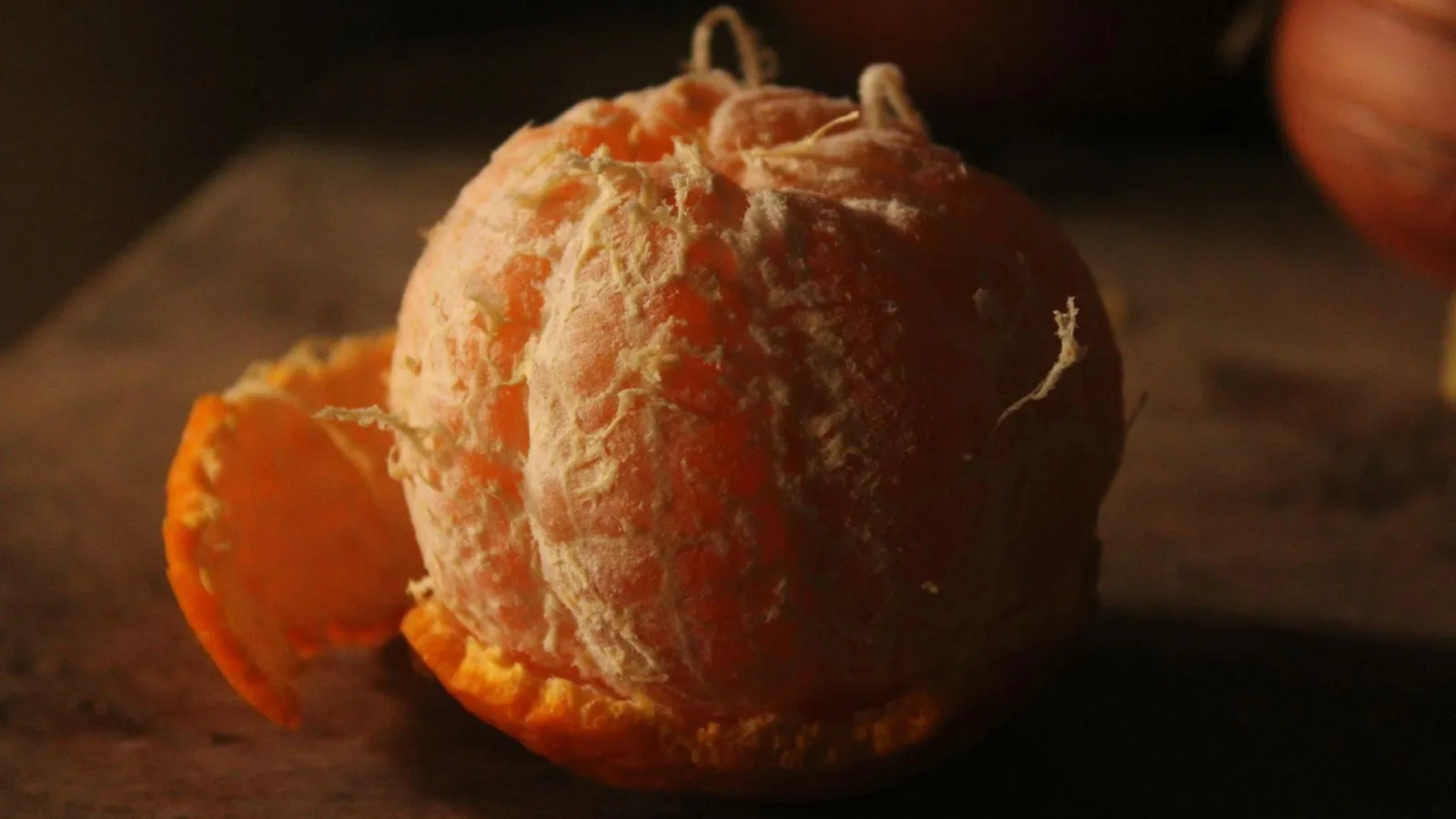
Candied mandarin peel turns the part of the fruit most people discard into a confection or a baking ingredient. Classic candied strips, chocolate-dipped peel, dried peel for stocks and teas, and peel for panettone and Christmas cake.
Sweets and frozen desserts
Mandarin curds is a fast winter preserve: 20 minutes, eggs and butter, stored in the fridge for two weeks. Four versions: classic, brown butter, vegan, and honey-sweetened.
Mandarin sorbets covers pure mandarin sorbet, a Campari version for adults, a no-churn prosecco granita for entertaining, and a rosemary-infused sorbet that suits savoury courses.
Both the curd and sorbet improve with quality fruit. Choose Honey Murcott for the deepest flavour.
Syrups and drinks
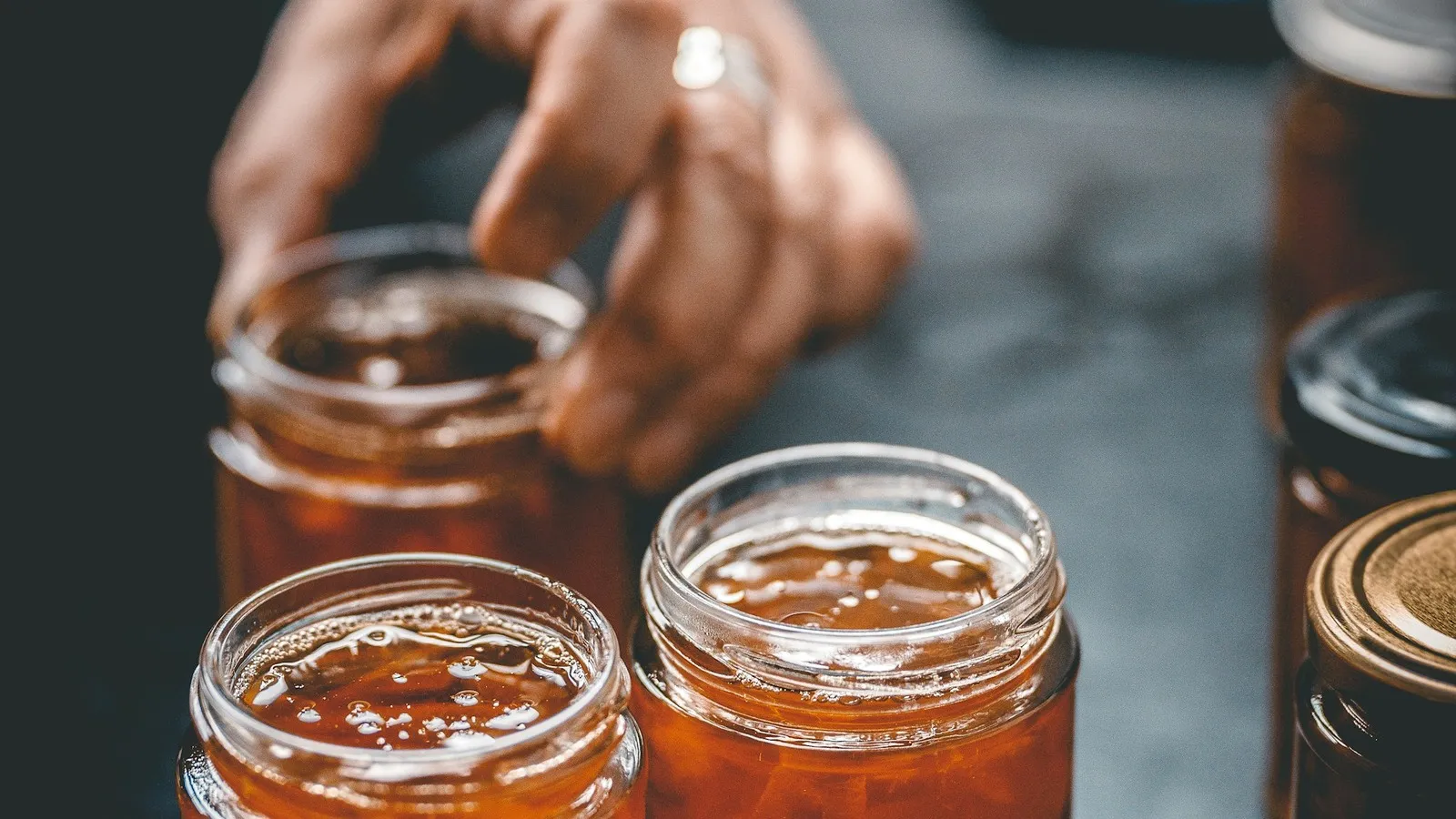
Mandarin syrups are the most versatile thing you can make from a glut of winter mandarins. Simple syrup, honey syrup, vanilla, cardamom, and mandarin shrub (a drinking vinegar). Keep a jar in the fridge and every breakfast and cocktail is simpler.
Mandarin gin cocktails covers the spritz, negroni, G&T, sour, and martinez. All use fresh mandarin juice. Australian gins worth using: Four Pillars, Archie Rose, Never Never, Ambleside, and Little Stiller. The collection includes notes on which gin suits which drink.
Savoury uses
Mandarin salad dressings covers five dressing styles for winter cooking: basic vinaigrette, mandarin and ginger Asian, mandarin and tahini, citrus and soy, and mandarin yoghurt. These suit winter salads of radicchio, witlof, fennel, and roast vegetables.
Gourmet Traveller’s collection of savoury mandarin recipes includes soy-roast duck, roast snapper with mandarin and fennel, and charred octopus. Mandarin also works alongside poultry in a quick pan sauce, or as a glaze for pork ribs using a reduction of juice and soy.
Basic skills and eating fresh
How to eat mandarins covers peeling tricks, dealing with seeds, eating segments versus pith, dehydrating slices, adding segments to salads, freezing for smoothies, and kid-friendly serving. A practical guide for getting more use from fruit you already have.
For buying and storing, see how to pick mandarins and how to store mandarins.
All recipe pages
- Mandarin cakes
- Mandarin marmalades
- Mandarin curds
- Mandarin sorbets
- Mandarin syrups
- Mandarin salad dressings
- Mandarin gin cocktails
- Candied mandarin peel
- How to eat mandarins
Related pages
Explore Recipes
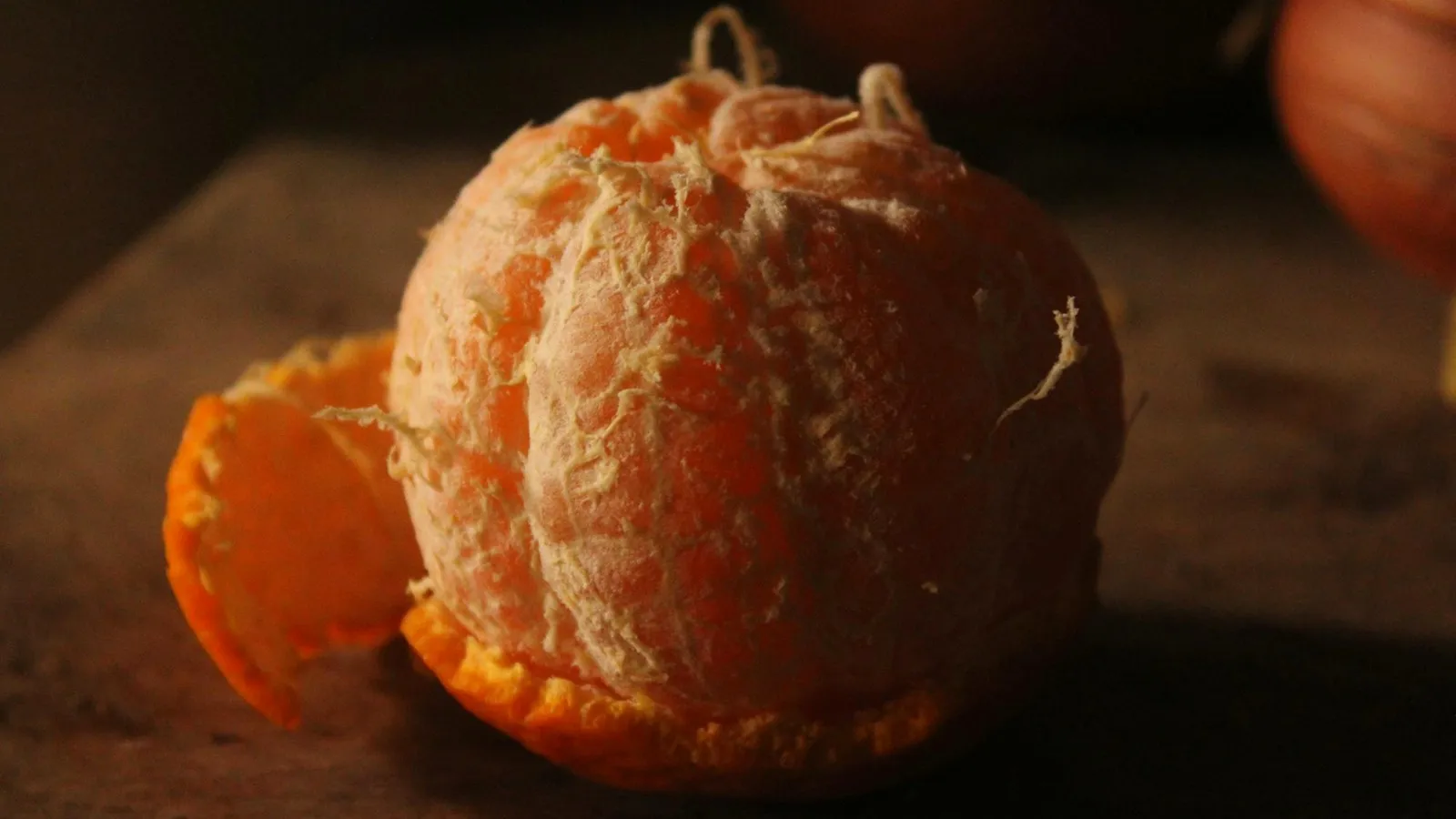
Candied Mandarin Peel: Easy Homemade Recipe
Make sweet candied mandarin peel at home with this simple guide. Reduce kitchen waste and create a chewy citrus treat for baking, dipping or snacking.
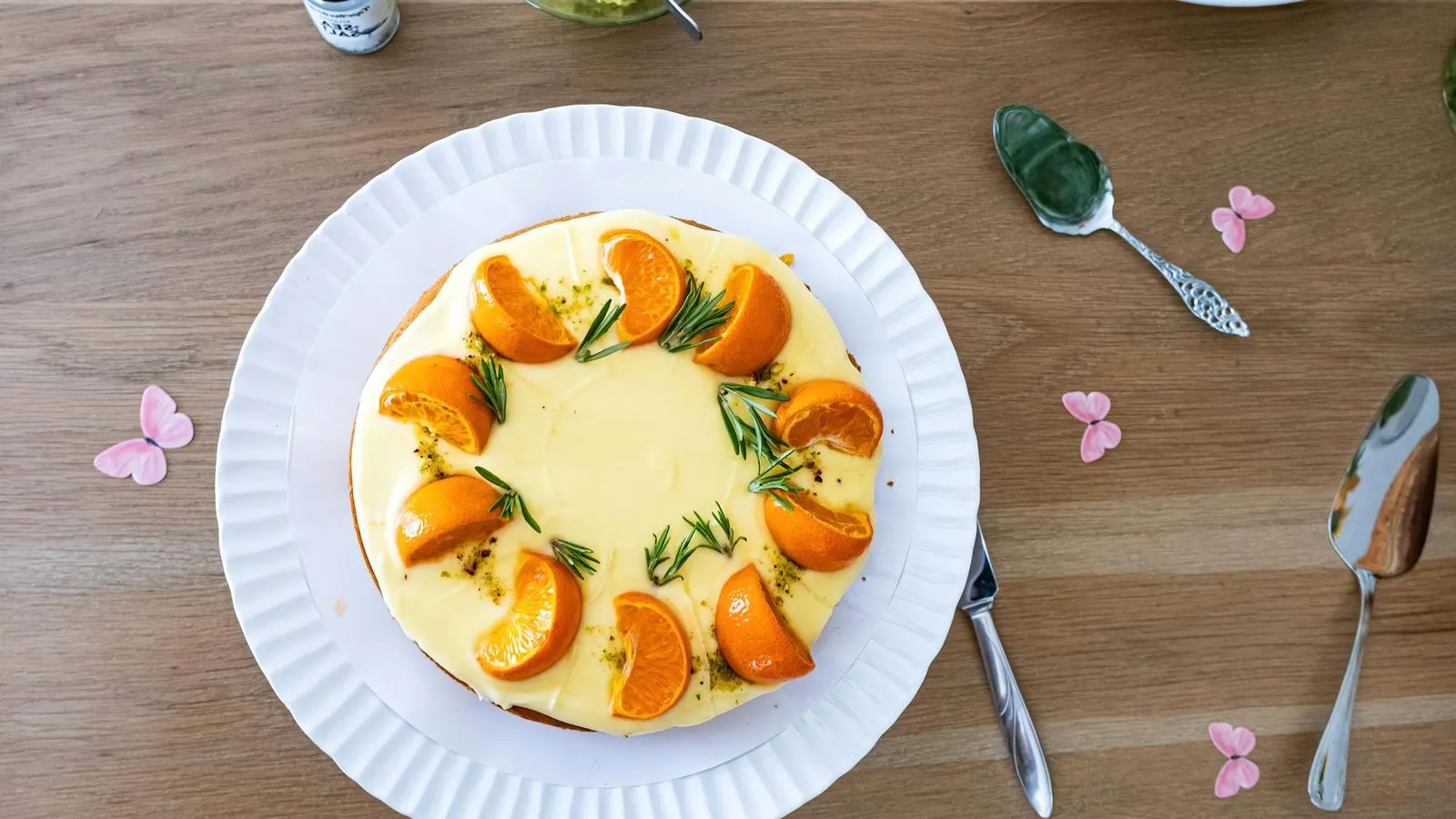
How to Eat Mandarins: Easy Peeling and Recipe Ideas
Enjoy mandarins with clean peeling methods and tasty culinary ideas. Prep fresh segments for salads, sweet baking, or quick Australian lunchbox snacks.
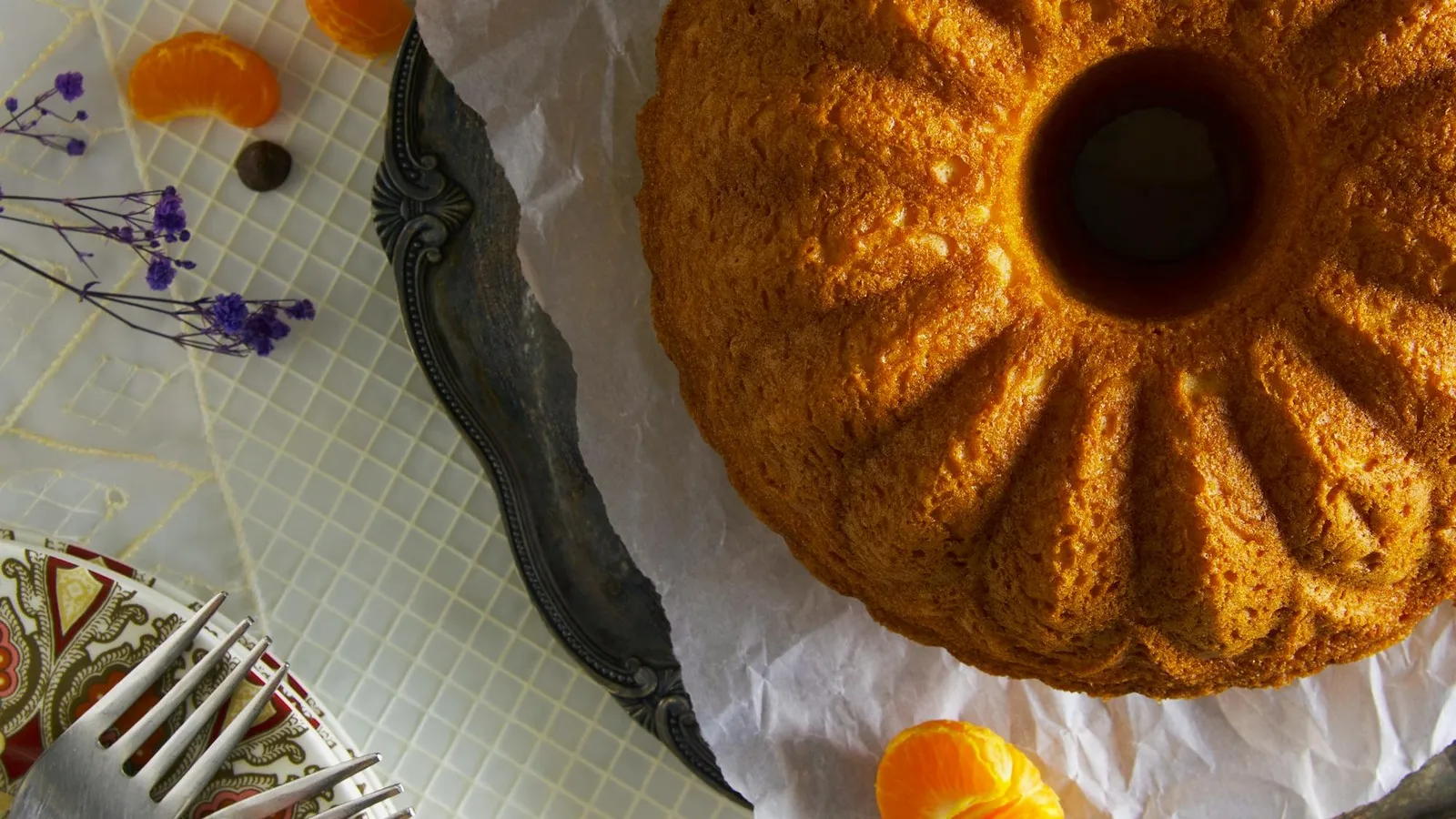
Mandarin Cake
Mandarin cake works because whole cooked mandarins bring fragrant peel, juice, and pulp into a moist winter cake.
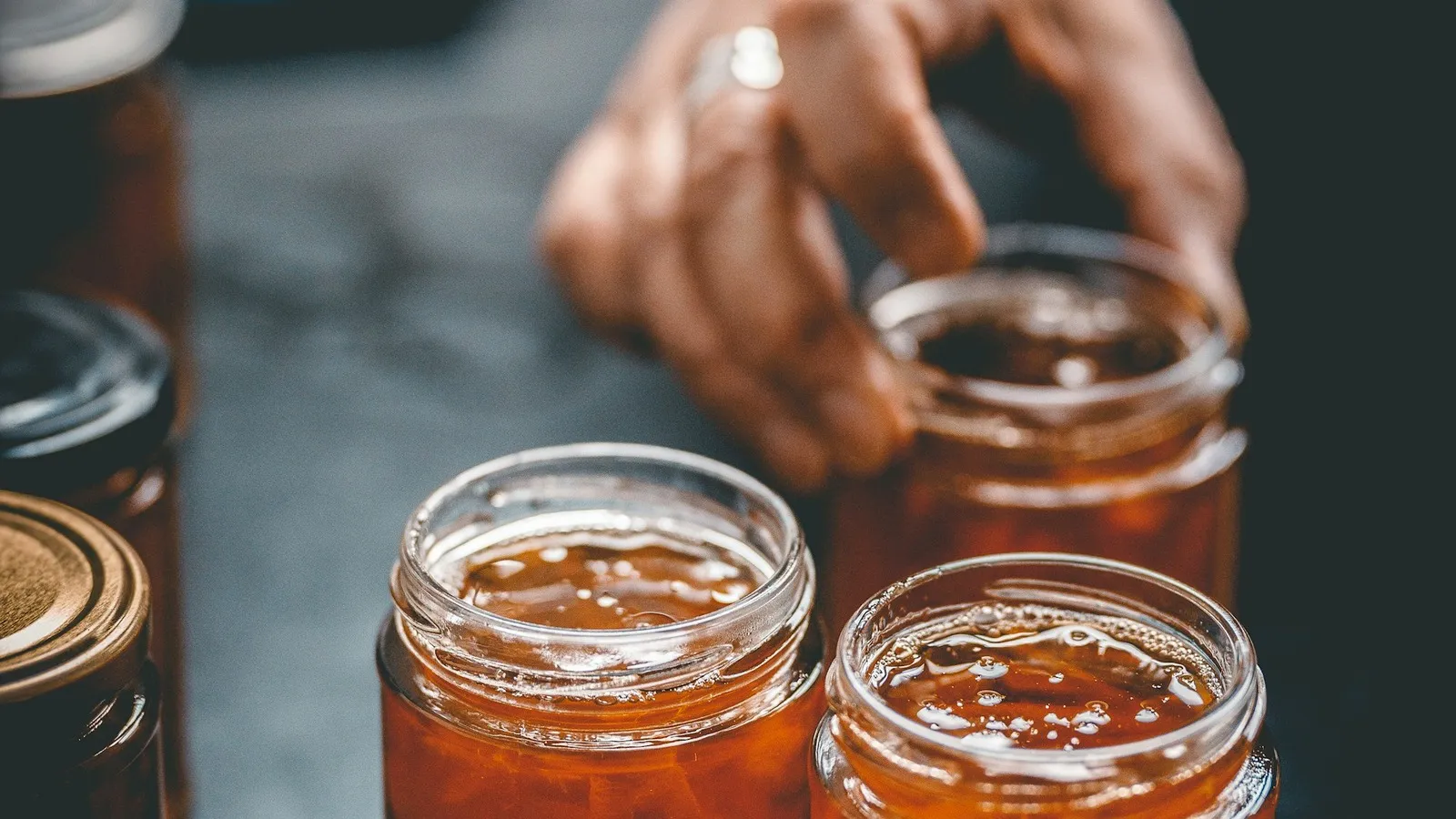
Mandarin Curd Recipe: Smooth Citrus Spread at Home
Make velvety mandarin curd using fresh citrus juice, eggs, butter, and sugar. Follow this simple Australian recipe for tarts, scones, or toast spreads.
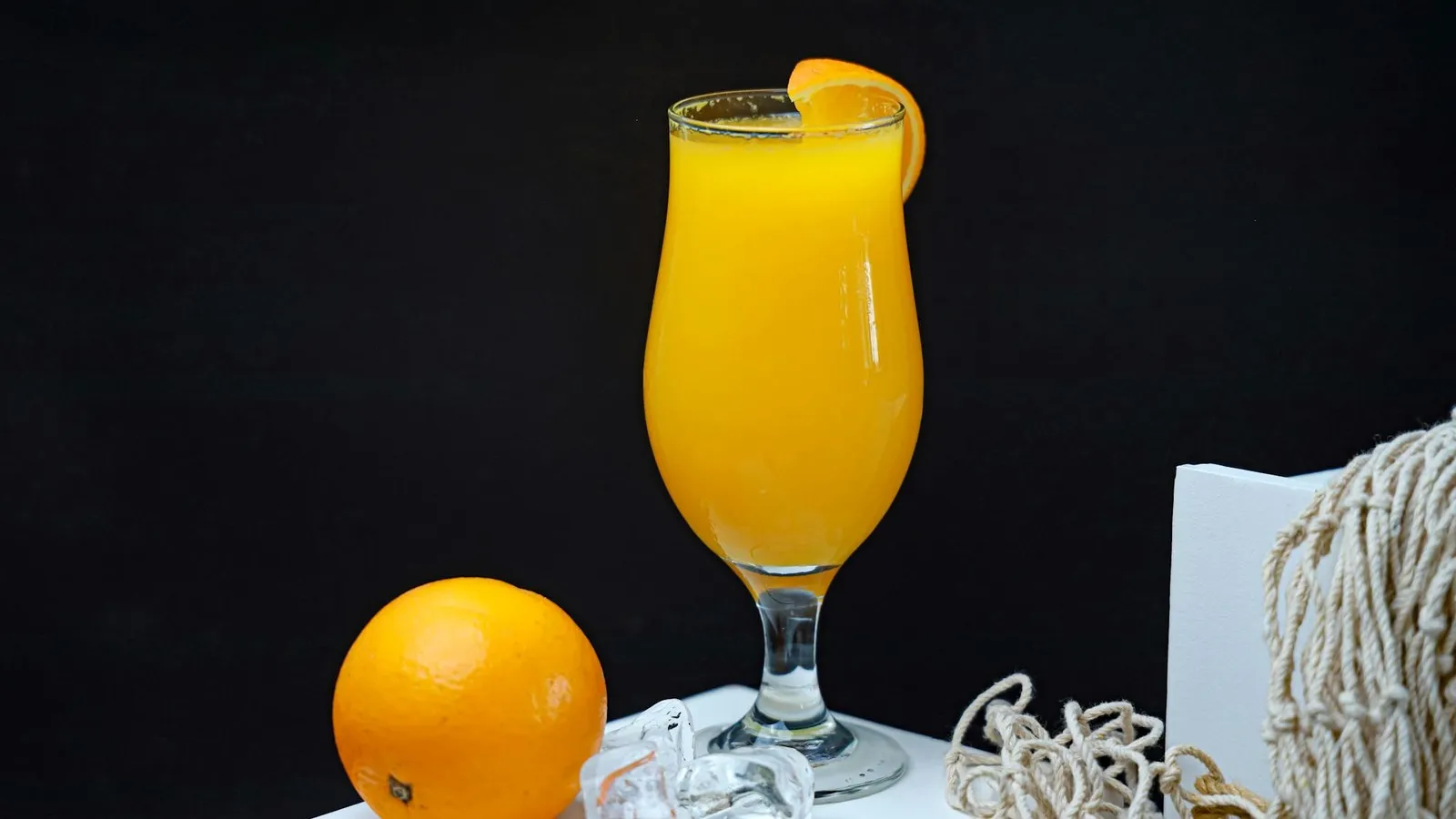
Mandarin Gin Cocktails: Fresh Citrus Drink Recipes
Make easy mandarin gin cocktails at home using fresh citrus. Find simple recipes for spritzes, sours, and gin twists with balanced sweet flavour.
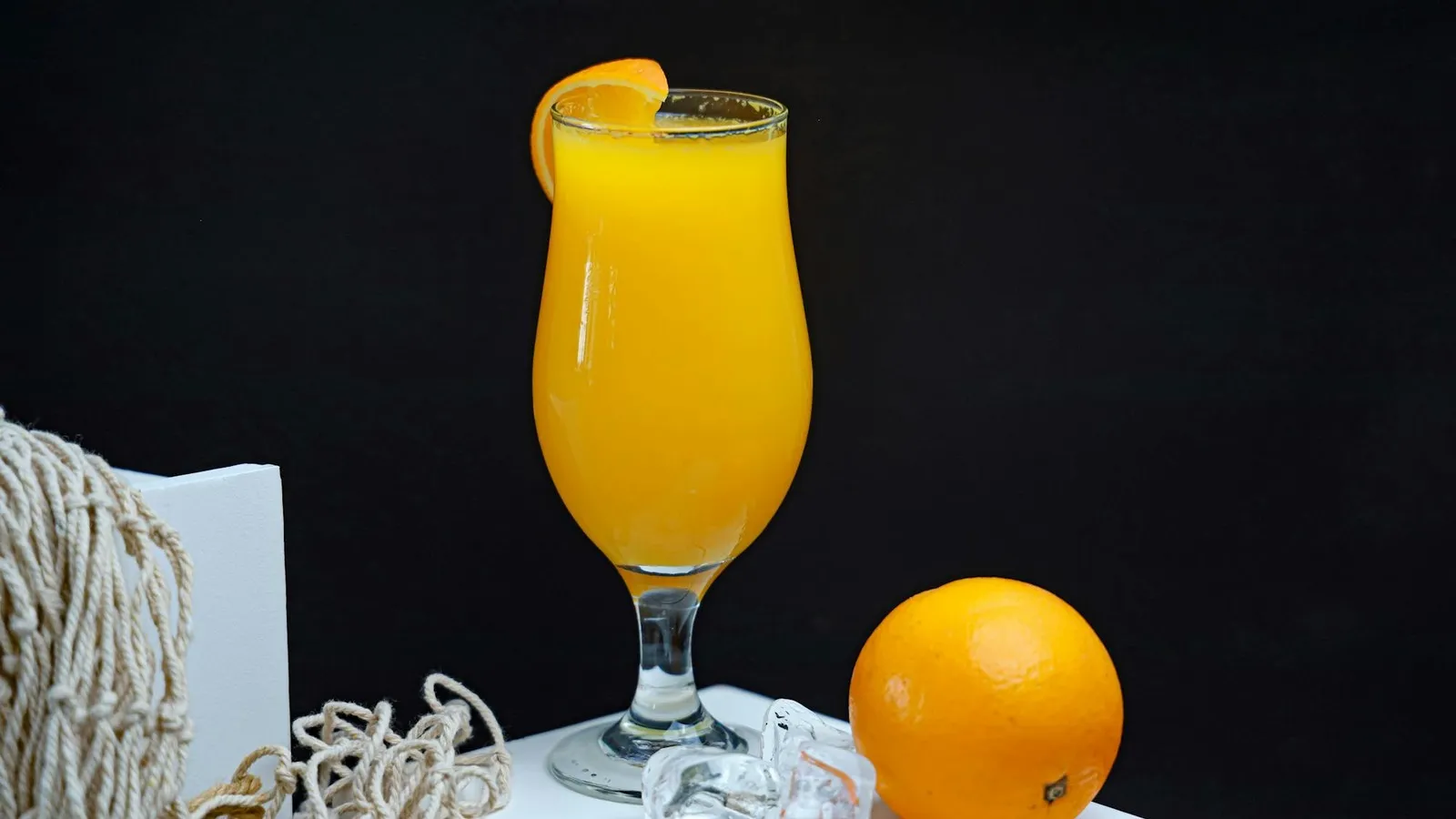
Mandarin Juice
Mandarin juice from Australian fruit: which variety to use, how to juice with seeds, comparisons with orange juice, and storage.
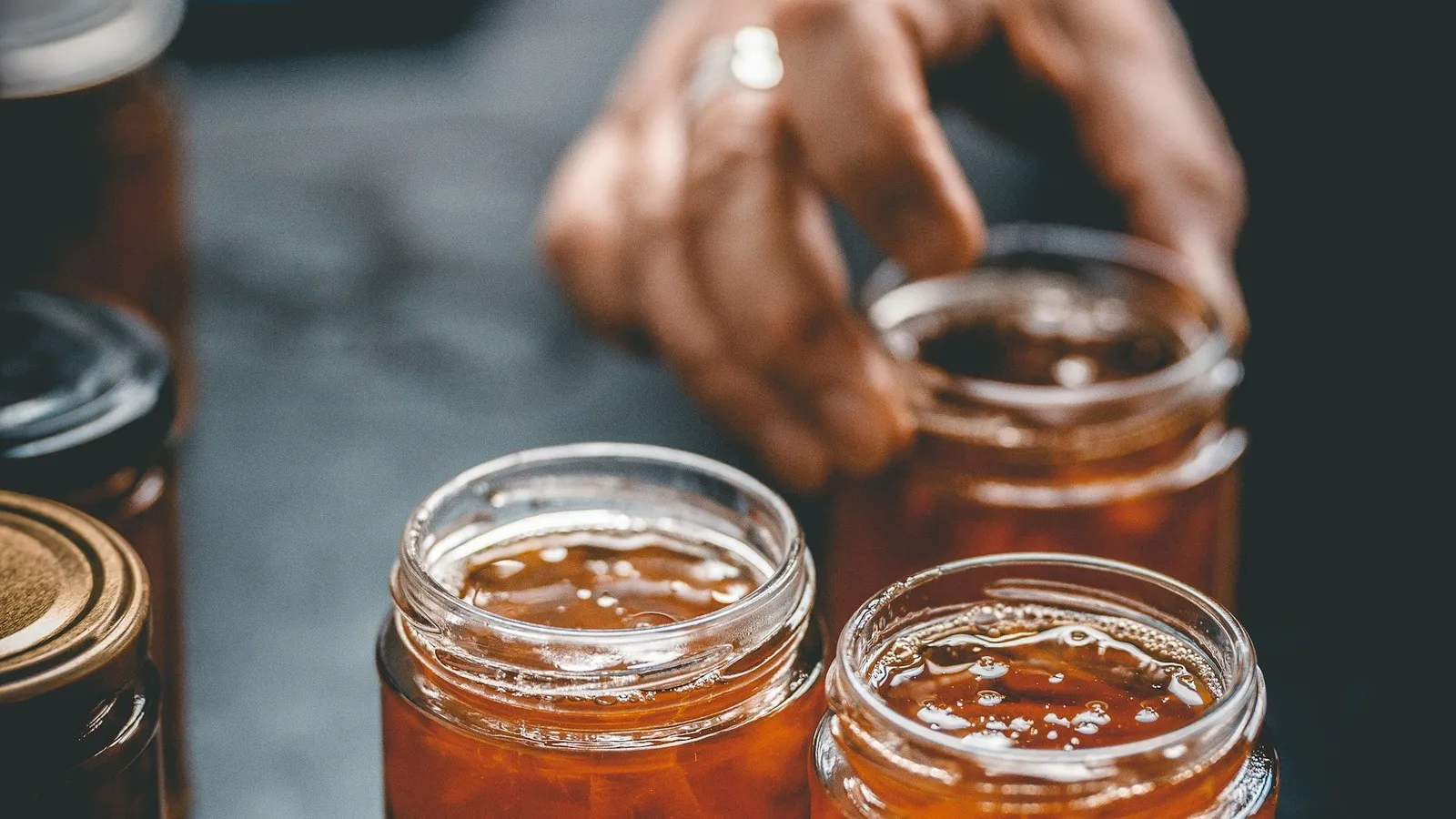
Mandarin Marmalade
Mandarin marmalade is softer and sweeter than classic orange marmalade, with thin peel and bright winter citrus flavour.
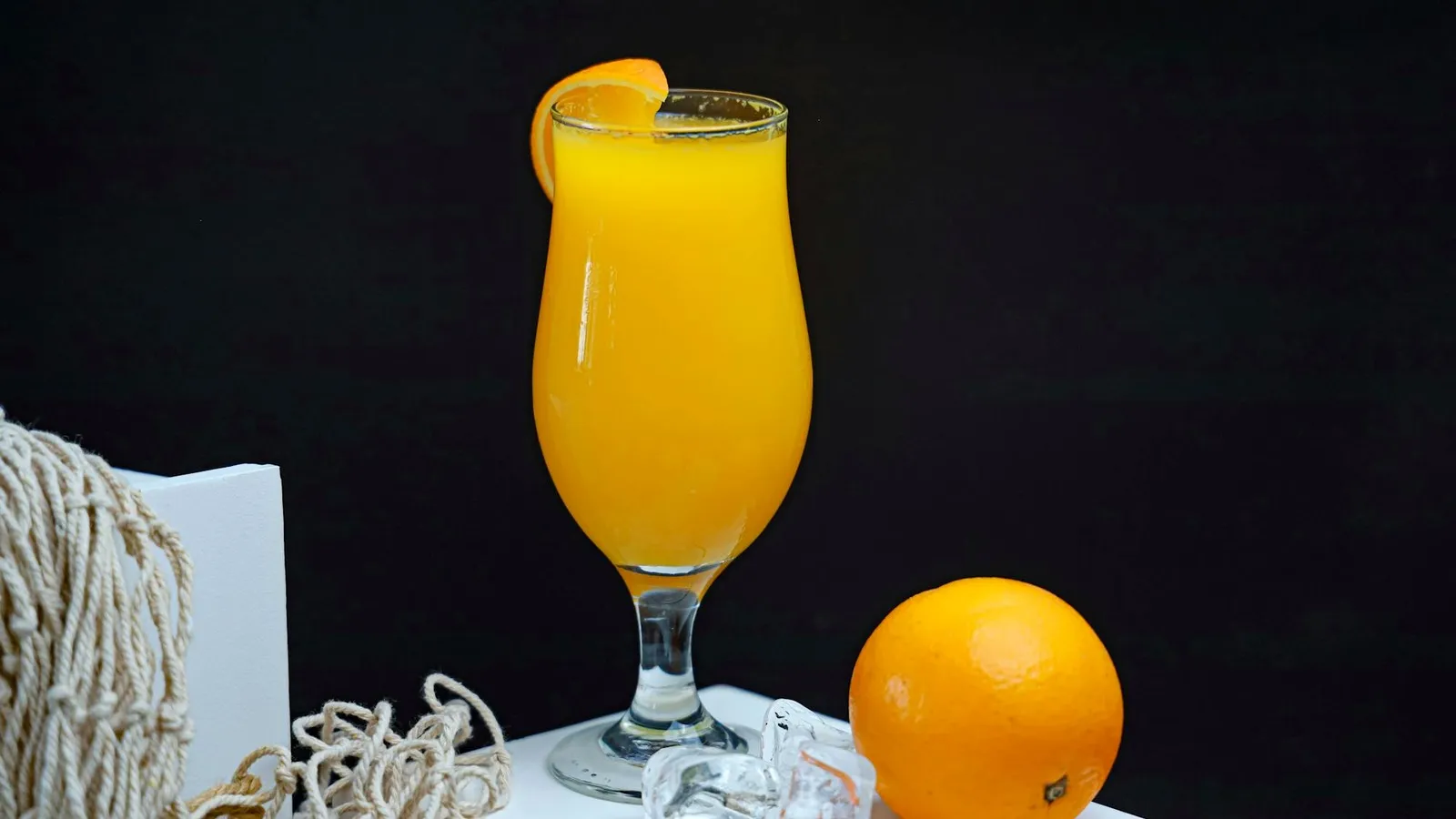
Mandarin Salad Dressing: Fresh Citrus Vinaigrettes
Whisk a fresh mandarin salad dressing in minutes using juice, olive oil, and mustard. Pair this tangy citrus vinaigrette with leafy greens or chicken.

Mandarin Sorbet Recipe and Chilling Tips
Make refreshing mandarin sorbet at home with simple ingredients. Learn how to balance sweetness and natural citrus flavour without an ice cream churn.
Mandarin Syrup Recipe and Simple Uses
Make homemade mandarin syrup using fresh Australian citrus juice and peel. Learn the best sugar ratios for cocktails, baking, and preserving extra fruit.
What To Do With Mandarin Peel
Mandarin peel uses for the kitchen, household, and garden. candied peel, zest, drying, compost, and what not to do.