Mandarin Nutrition Facts: Calories, Carbs and Vitamins
Get complete mandarin nutrition facts per fruit and 100g serving. Learn about dietary fibre, natural sugars, potassium and essential vitamins in citrus.
Mandarins are a low-calorie, vitamin-C-rich winter fruit that fits naturally into the Australian Dietary Guidelines recommendation of two serves of fruit per day. This page summarises the key nutrition facts and links to the specific pages for calories, vitamin C, health benefits, kids, pregnancy, diabetes, medications, and pets.
Quick mandarin nutrition facts
Per 100 grams of raw, peeled mandarin (Australian Food Composition Database, FSANZ):
| Nutrient | Per 100g |
|---|---|
| Energy | 197 kJ (47 cal) |
| Protein | 0.8g |
| Fat | 0.2g |
| Carbohydrate | 9.8g |
| Sugars | 9.8g |
| Dietary fibre | 1.6g |
| Vitamin C | 28mg |
| Folate | 19 micrograms |
| Potassium | 170mg |
| Sodium | 3mg |
Mandarins are around 86 percent water. They contain negligible fat and no cholesterol.
Per fruit vs per 100g
A typical small to medium mandarin has around 75 to 120 grams of edible flesh once peeled and de-seeded. Using the 100g benchmark above:
- Small Imperial (around 75g flesh): 35 to 40 calories, 7 to 8g carbohydrate
- Medium mandarin (100g flesh): around 47 calories, 9.8g carbohydrate
- Large Honey Murcott or Afourer (130g flesh): around 60 to 65 calories, 13g carbohydrate
- Sumo/Dekopon (250g+ flesh): 115 to 165 calories
The Australian Dietary Guidelines count two small mandarins (150g) as one serve of fruit. Adults need two serves of fruit per day.
Vitamin C
One medium mandarin covers roughly 60 to 90 percent of the adult daily requirement for vitamin C, which the NHMRC sets at 45mg per day (Nutrient Reference Values). A larger mandarin meets or exceeds it in a single fruit. Citrus Australia states that one Australian mandarin contains all of your body’s daily vitamin C needs.
Vitamin C supports immune function, collagen production, and iron absorption from plant foods. Storage and cooking reduce vitamin C content, so fresh whole fruit is the best form.
Full detail: Vitamin C in mandarins
Fibre and sugar
Each 100g serve of mandarin provides around 1.6g of dietary fibre. The fibre in whole fruit slows the absorption of natural sugars, which is why mandarins have a low glycaemic index (around 40 to 47). Mandarin juice removes most of this fibre and raises blood glucose faster than eating the whole fruit.
The natural sugars are sucrose, fructose, and glucose. There are no added sugars in fresh mandarin flesh.
Compared with orange and grapefruit
| Fruit | Calories/100g | Vitamin C/100g | Fibre/100g |
|---|---|---|---|
| Mandarin | 47 cal (197 kJ) | 28mg | 1.6g |
| Navel orange | 50 cal (209 kJ) | 52mg | 2.2g |
| Grapefruit | 35 cal (147 kJ) | 34mg | 1.1g |
Oranges contain more vitamin C per 100g than mandarins. Grapefruit is lower in calories. Mandarins are easier to peel and eat whole than either, which makes them a more practical daily snack fruit for many people.
Mandarins for kids
Mandarins are one of the most lunchbox-friendly fruits in Australia. Imperial is the easiest peel for school-age children. Seedless varieties (Afourer, Delite, Amorette) are safest for younger children. Segments should be cut or broken for children under four to reduce choking risk.
Full detail: Mandarins for kids and school lunchboxes
Pregnancy
Mandarins are safe during pregnancy. They provide vitamin C (NHMRC requirement rises to 55mg during pregnancy), natural folate (19 micrograms per 100g), and fibre. Wash the fruit before peeling. Citrus can trigger heartburn in some pregnant women; smaller portions or eating with other food can help.
Full detail: Mandarins during pregnancy
Diabetes
Mandarins have a low glycaemic index and a low glycaemic load per serve. One small to medium mandarin provides around 7 to 10g of carbohydrate. Diabetes Australia recommends whole fruit over juice. Spread serves across the day and weigh portions if counting carbohydrates precisely.
Full detail: Are mandarins good for diabetes?
Medication interactions
Mandarins are much lower risk than grapefruit for drug interactions. The compounds that cause grapefruit to interfere with CYP3A4 (furanocoumarins) are found in much lower concentrations in standard mandarins. If your medication warns you to avoid grapefruit, ask your pharmacist whether the same applies to mandarin.
Full detail: Do mandarins interact with medications?
Pets
Mandarin flesh is safe for dogs in small amounts, with the peel, seeds, and pith removed. Cats are less likely to eat citrus. The citrus oils in the peel are the main risk for dogs. One or two small segments of flesh as an occasional treat is safe for most healthy adult dogs.
Full detail: Can dogs eat mandarins?
Related pages
Explore Nutrition

Can Dogs Eat Mandarins?
Can dogs eat mandarins? A common question from Australian pet owners. Here is the context for why it comes up, and where to find reliable guidance.

Lunchbox Mandarins: Best Kid-Sized Varieties
Choose the best lunchbox mandarins for kids. Find easy-peel, seedless, kid-sized fruit that pack neatly into school bags and taste naturally sweet.
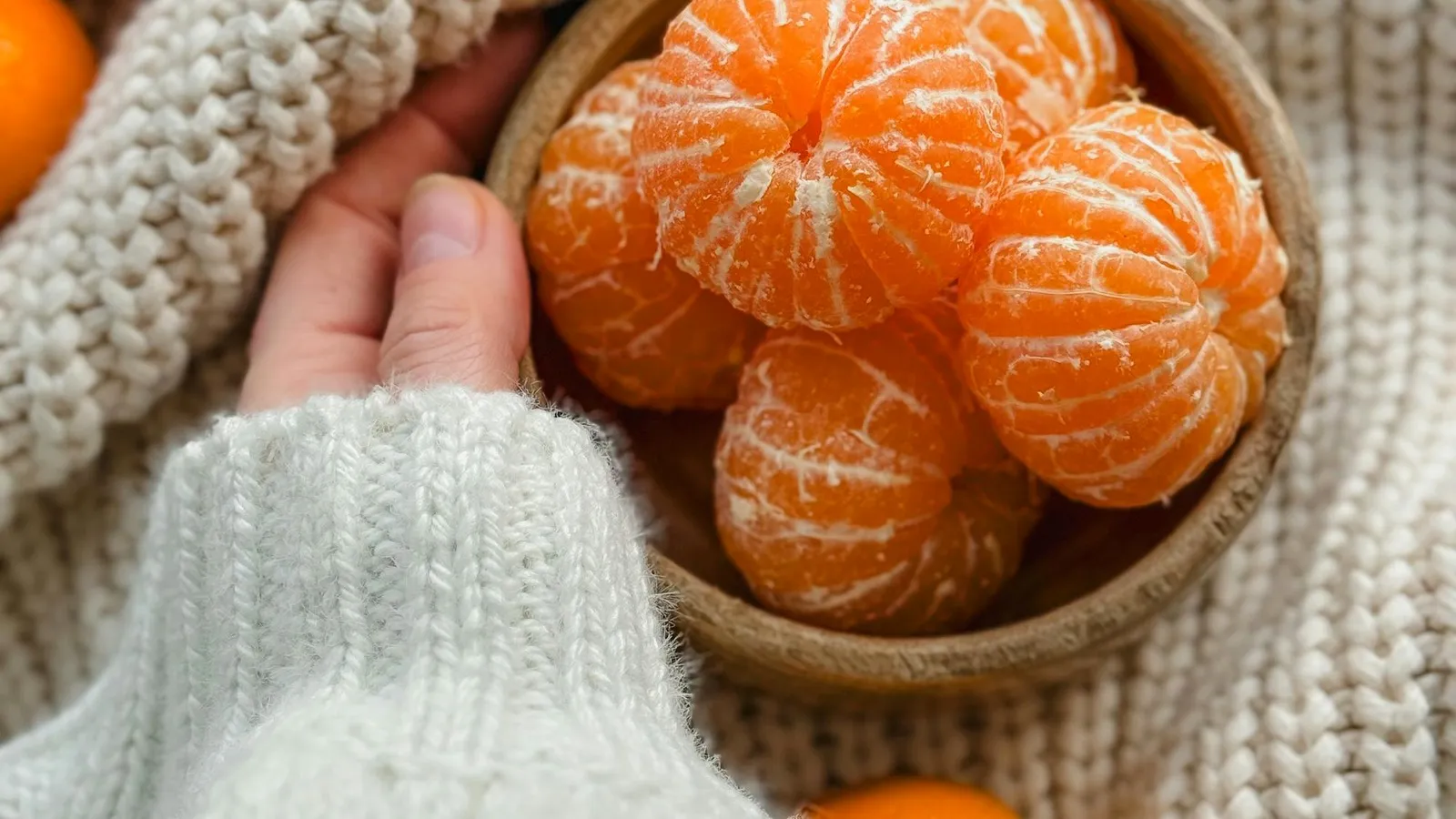
Mandarin Calories: How Many Per Fruit
A medium mandarin has around 47 calories (197 kJ), making it a light, filling snack. See calories by fruit size plus sugar and fibre facts.

Mandarin Health Benefits
Mandarin health benefits come from eating the whole fruit: vitamin C, fibre, hydration, and a naturally portioned snack.

Mandarins and Diabetes: Glycaemic Index and Serving Tips
Mandarins have a low glycaemic index and fit safely into a balanced diabetic diet. Check serving sizes, carbohydrate counts, and blood sugar advice here.

Mandarins and Medications Safety Guide
Learn how mandarins interact with prescription medications compared to grapefruit. Check enzyme risks, safe citrus varieties, and key health precautions.

Mandarins During Pregnancy: Safe Eating and Benefits
Find out why you can eat mandarins during pregnancy safely, with key benefits like vitamin C and folate, plus simple intake and washing guidelines.
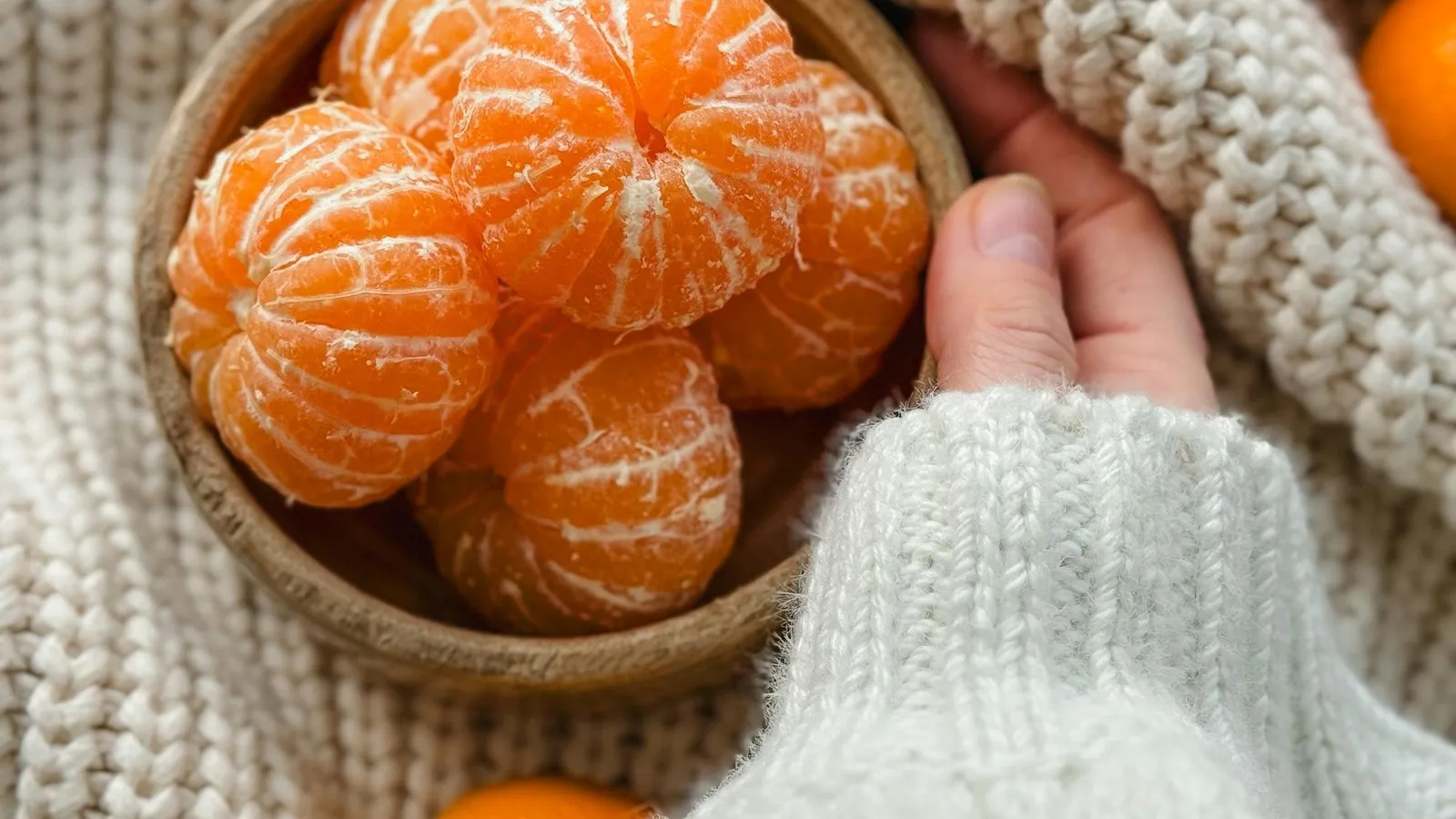
Vitamin C in Mandarins: How Much Per Fruit
Mandarins supply roughly 30mg of vitamin C per 100g, over half the adult daily target. See vitamin C by variety and how storage affects it.