The Australian Mandarin Industry
The Australian mandarin industry is led by Queensland and supported by southern citrus regions, export markets, and newer seedless plantings.
Australia produces around 225,000 metric tonnes of mandarins per year, ranking it among the world’s significant southern hemisphere citrus producers. Queensland grows the most by volume, exports are at record levels, and the industry is mid-way through a structural shift toward seedless varieties and premium export markets. For the current season picture, see whether mandarins are in short supply this year.
Quick numbers
| Measure | Figure | Source |
|---|---|---|
| Mandarin production, 2024/25 | 225,000 metric tonnes (record) | USDA Citrus Annual Australia |
| Mandarin exports, 2024/25 | 105,000 metric tonnes (record) | USDA / Hort Innovation |
| Combined citrus export value, 2019/20 | $520 million | ABARES |
| Queensland planted citrus area | ~5,703 ha (20% of national total) | Citrus Australia, 2020 census |
| National planted area, 2016 | 6,199 ha mandarins | NSW DPI / ACIAR |
| Australia’s world citrus export rank, 2019 | 10th largest | ABARES |
Mandarin production is forecast to grow further in 2025/26, with projections citing a record 270,000 metric tonnes as trees planted during the expansion of 2019 reach full bearing age.
Where mandarins are grown
Five main regions supply Australian mandarins:
Central Burnett, Queensland (Gayndah and Mundubbera) is the largest single district. Queensland accounts for approximately 20 per cent of national citrus planted area and is Australia’s biggest mandarin producer by volume. Harvest begins in April, earlier than all other regions.
Riverland, South Australia grows mandarins and oranges along the Murray River near Berri, Renmark, and Loxton. South Australia contributed 32 per cent of Australia’s citrus export volume in a recent Citrus Australia count.
Sunraysia, Vic/NSW border (centred on Mildura) is within the state that leads Australian citrus exports. Victoria accounted for 38 per cent of export volume by state.
Riverina, NSW (Griffith, Leeton) contributes to national mandarin supply alongside a large orange and wine grape industry.
Carnarvon, Western Australia produces mandarins from May onward, providing west coast supply early in the season.
Full regional detail: Mandarin growing regions. The deep-dive on the largest district: Gayndah and Mundubbera.
Top varieties by volume
Imperial mandarin is Australia’s most widely grown mandarin variety. It is an Australian-bred early-season variety suited to Queensland conditions, grown across Central Burnett, Murray Valley, and Riverland. Easy to peel, low seed count, and available from April.
Murcott and low-seeded Murcott selections (including Honey Murcott) are mid to late season, with better eating quality and a sweeter flavour. Queensland’s Quebec Citrus and Ironbark Citrus both grow Murcott-type varieties alongside their Imperial lines.
Hickson is a mid-season variety with strong flavour and commercial presence in Queensland. Afourer, also sold as Mor, is a Moroccan-bred variety with low seeds and high sugar that has grown in planted area as export demand for seedless fruit increased.
For a complete breakdown of Australian mandarin varieties: Mandarin varieties.
Exports
Australian mandarin exports reached a record 105,000 metric tonnes in 2024/25. The top export destinations in recent years are:
- Thailand (largest single destination for mandarins)
- Japan
- China
- Hong Kong
- South Korea
- United States
The combined value of Australian orange and mandarin exports more than doubled from $235 million in 2009/10 to $520 million in 2019/20. In 2019, Australia was the world’s tenth-largest citrus exporter and the second-largest source of citrus into ASEAN countries.
Australia’s export advantage is timing: Australian citrus reaches Asian markets from June to August, during the northern hemisphere off-season when fruit from Spain, Japan, and Morocco is not being harvested.
Key trade agreements supporting exports include ChAFTA (China), JAEPA (Japan), KAFTA (South Korea), AANZFTA (ASEAN), and the AI-ECTA (India), which immediately reduced tariffs on Australian citrus by 50 per cent on a quota of 13,700 tonnes.
Full export detail: Australian mandarin exports.
Prices
Retail mandarin prices at major supermarkets typically sit between $3.50 and $6.00 per kilogram in winter. Wholesale prices to retailers are lower, and farmgate prices to growers are lower again.
Growers have faced sustained cost pressure. In 2024, Citrus Australia CEO Nathan Hancock reported that rising production costs (labour, fertiliser, energy, freight) were forcing some growers out of the industry while retail prices remained flat.
Record production volumes in 2024/25 added to downward wholesale price pressure. A season with 225,000 tonnes of production competing with cheaper imported fruit from South Africa, Chile, and Egypt created tight margins at the packing shed level.
Labour availability at harvest is a significant price driver. Labour shortages in Central Burnett in 2021 prompted warnings of price rises of up to 30 per cent. The Pacific Australia Labour Mobility (PALM) scheme and working holiday visa holders remain important to peak harvest staffing.
Wholesale price data is published by Sydney Markets and Brisbane Markets. Full price analysis: Mandarin prices in Australia.
Citrus Australia and Hort Innovation
Citrus Australia is the prescribed peak industry body for the Australian citrus industry, established in 2008. It represents growers of all citrus types nationally, advocates with government on market access and policy, and oversees the Industry Authorised Officer export certification scheme.
Hort Innovation is the grower-owned R&D corporation managing statutory levy funds across Australian horticulture. The citrus levy funds research, development, and marketing programs administered by Citrus Australia under a Strategic Investment Plan. Both organisations publish industry data, season updates, and research outputs.
Citrus Australia introduced fruit quality standards in 2011 and led the move from government inspection to industry self-certification at export. ABARES cited this reform as a key factor in Australia’s citrus export competitiveness over the past decade.
Full explainer: Citrus Australia.
Biosecurity
Australian citrus exports depend on a clean biosecurity status. Key threats that are not established in Australia include citrus canker, citrus greening (Huanglongbing), and several exotic fruit fly species. The absence of these pests is a commercial advantage when negotiating market access protocols with importing countries.
The Department of Agriculture, Fisheries and Forestry (DAFF) negotiated 11 key market access achievements for Australian citrus exports between July 2013 and April 2020. Most related to biosecurity protocols required by importing countries to manage pest entry risk.
Queensland fruit fly (Bactrocera tryoni) is established in eastern Australia and is managed through orchard hygiene, treatment protocols, and cold treatment requirements for certain export markets.
Outlook
The Australian mandarin industry entered 2025/26 forecasting its sixth consecutive year of production growth. Mandarin volumes are expected to reach 270,000 metric tonnes, driven by maturing trees from the 2019 planting expansion and continued focus on seedless varieties.
The commercial challenge is market absorption. Record volumes at competitive prices from South Africa, Chile, and Peru mean Australian exporters face more supply-side competition. US tariffs of 10 per cent introduced in April 2025 added pressure to that historically profitable export window.
Industry response has focused on premium branding, direct market partnerships in Asia, and product diversification. Geographic proximity to Asian markets, a strong biosecurity record, and Australia’s reputation for fruit quality remain structural advantages.
On the domestic front, population growth is pushing consumption higher. USDA projections for 2024/25 cited near-record domestic consumption of 118,000 metric tonnes for oranges, with mandarin domestic consumption following similar trends.
All industry pages
- Mandarin growing regions
- Australian mandarin exports
- Citrus Australia
- Mandarin prices in Australia
- Gayndah and Mundubbera
Related sections
Explore Industry
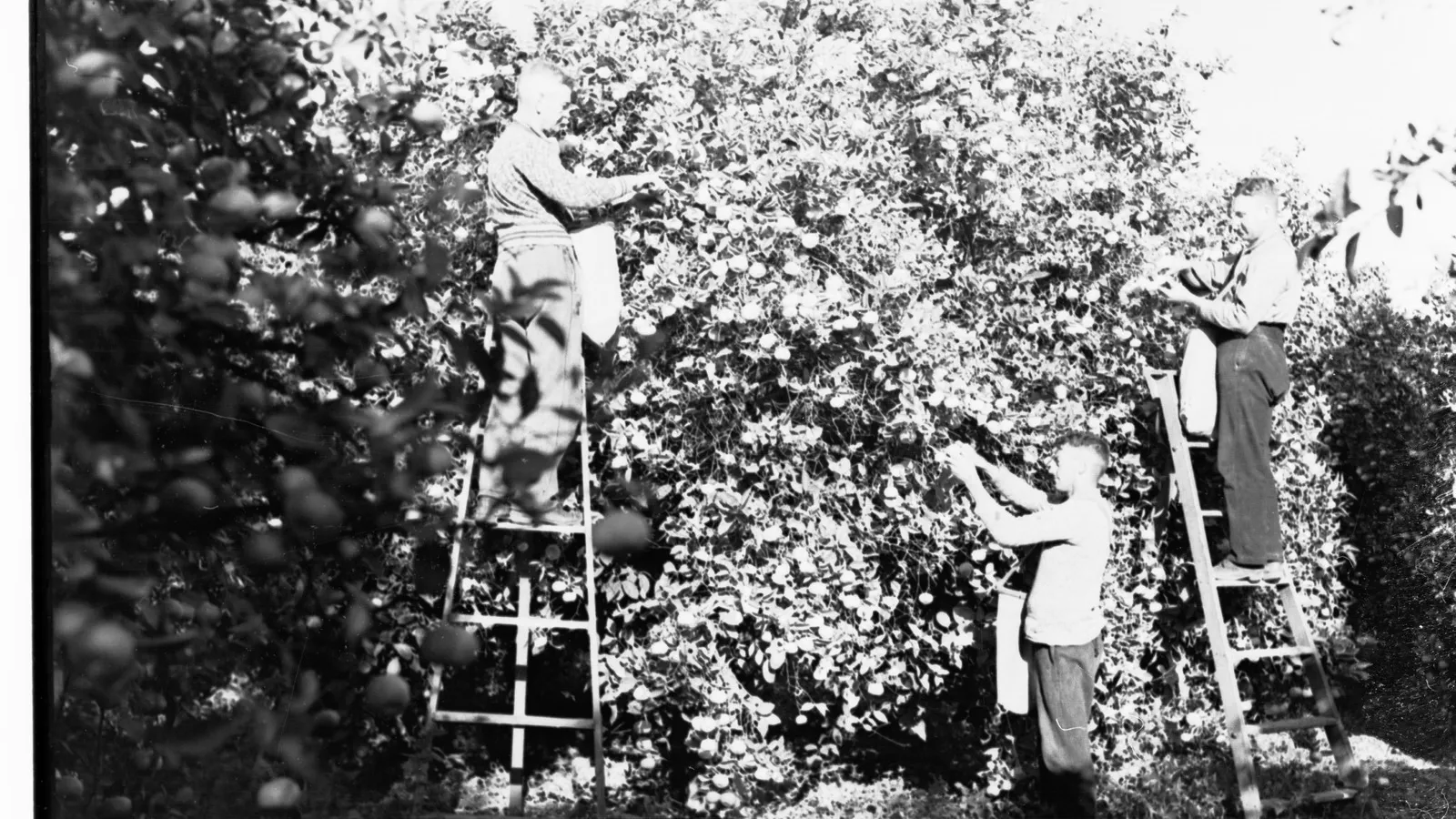
Are Mandarins in Short Supply in Australia?
Australia is growing a record mandarin crop in 2026, but a tough, weather-hit southern season has tightened supply of premium fruit in some regions.
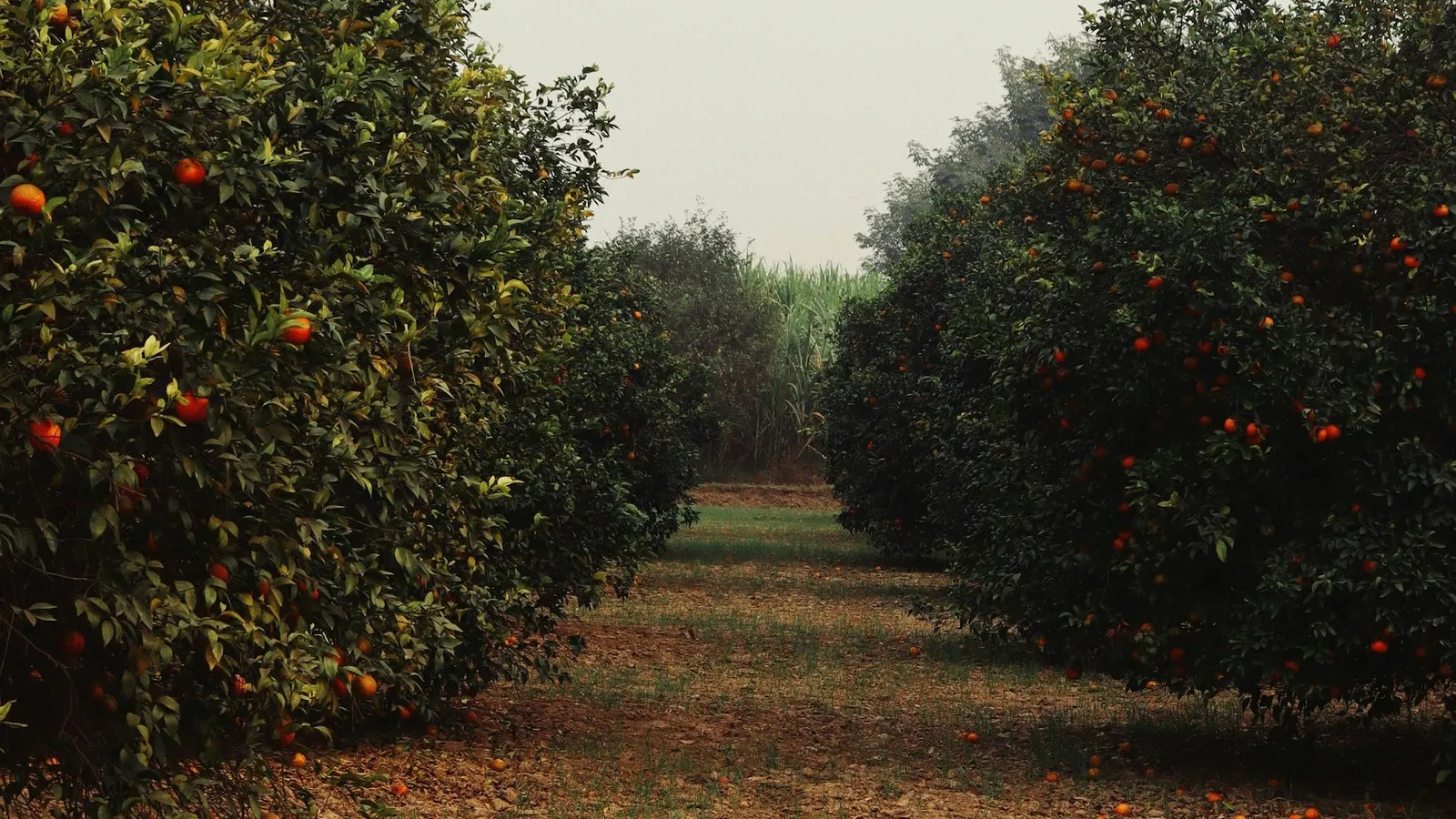
Australian Mandarin Exports and Market Data
Australian mandarin export trends, key overseas markets, and trade volumes. See which varieties lead global sales and how local growers ship fresh fruit.
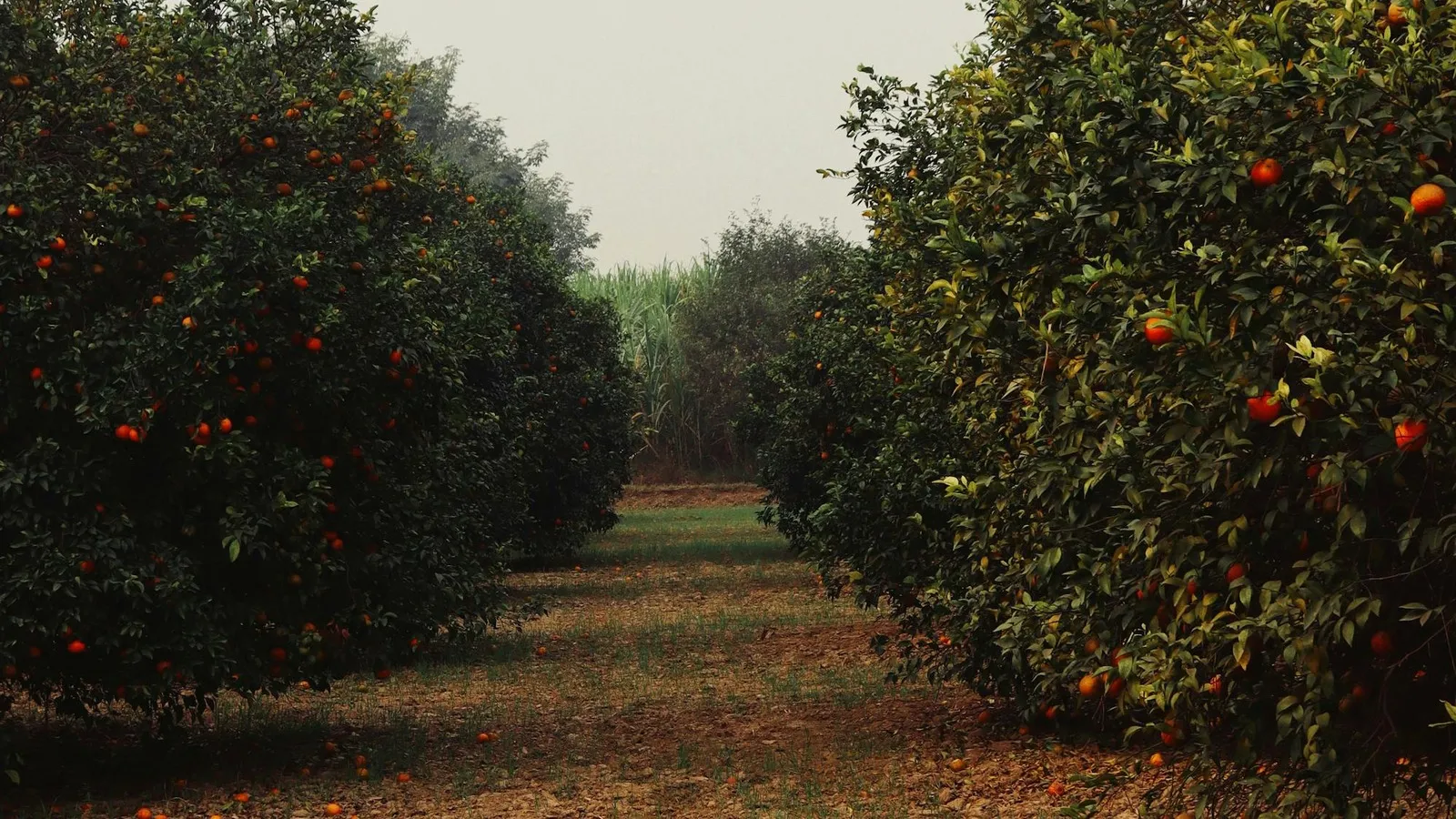
Australian Mandarin Growing Regions: Citrus Harvest Areas
Map Australia's main mandarin growing regions from Queensland to Sunraysia. See where commercial groves thrive and when orchards pick fresh winter fruit.

Citrus Australia: The Peak Industry Body Explained
Learn what Citrus Australia does for commercial growers and biosecurity. Find industry updates, research initiatives, and national citrus market advocacy.
Gayndah and Mundubbera: Australia's Citrus Capital
Explore Gayndah and Mundubbera in Queensland, the heart of Australian mandarin growing. Learn how this Central Burnett region produces premium fruit.
Mandarin Prices in Australia: Seasonal Cost Guide
Check seasonal mandarin prices in Australia across the year. Learn when fruit is cheapest per kilo, peak crop months, and factors driving retail costs.