Growing Mandarins in Australia
Growing mandarins in Australia means matching the tree to climate, space, rootstock, water, feed, and local citrus pests.
Growing mandarins in Australia is straightforward once you match the tree to the climate and give it consistent care. A grafted mandarin tree planted in the right spot will produce fruit within two to three years and continue cropping for decades. This guide covers everything from choosing a variety to managing the specific Australian pests and diseases that overseas growing advice misses entirely.
Quick start: backyard mandarins in Australia
A backyard mandarin tree needs:
- Full sun, at least 6 hours daily
- Well-drained soil with a slightly acid to neutral pH (6.0 to 7.0)
- Three fertiliser applications per year (spring, summer, autumn)
- Consistent deep watering, especially during flowering and fruit development
- Annual light pruning after harvest
- A climate that suits the variety
Mandarins flower in spring and fruit from late autumn through late winter. The harvest window depends on the variety. Imperial and Satsuma are ready from May. Emperor ripens June to July. Honey Murcott and Afourer extend the season into August and September.
Choosing a variety by climate
Australia’s citrus climate splits broadly into three zones.
Subtropical zones (Brisbane, northern NSW, Coffs Harbour): Wide variety choice. Imperial, Emperor, Honey Murcott, Afourer, and Ellendale all perform well. Fruit quality in very hot climates can be slightly lower for late sweet varieties.
Mediterranean zones (Adelaide, Perth, Melbourne, coastal VIC): Imperial is the most reliable all-rounder. Satsuma is the best choice where frosts are regular. Afourer performs well in Adelaide and Perth given a warm summer.
Cool temperate (Tasmania, southern Victorian highlands): Satsuma is the practical choice. Miho Wase and Okitsu Wase are the most widely available Satsuma types. Plant on a north-facing wall or fence for maximum protection. Most other varieties will produce poor crops or fail entirely.
For a detailed breakdown by variety and climate, see best mandarin trees for Australian backyards.
Buying a tree (nursery vs Bunnings)
Bunnings stocks Imperial, Satsuma, Emperor, and Afourer through spring and autumn. Variety availability varies by state and season.
For more variety, or for dwarf forms, try:
- Engall’s Nursery (Sydney metro): Specialist citrus nursery. Stocks dwarf Imperial, dwarf Emperor, Engall’s Seedless (their own Satsuma selection), and others.
- Daley’s Fruit Trees (Kyogle NSW): Mail-order nationally. Good range with climate suitability notes.
- Local independent nurseries: often stock varieties suited to the local climate that retail chains do not carry.
When buying, look for a tree with a clearly visible graft union low on the trunk. The graft union is the slight kink or knobble that separates the rootstock below from the fruiting variety above. Trees without a visible graft union may be seedlings, which will take far longer to fruit.
Inspect any tree for citrus gall wasp galls (woody swellings on young stems) before you take it home.
Planting
Plant in autumn or spring when soil temperatures are mild. Avoid midsummer in hot climates and mid-winter in cold areas.
Choose full sun. Mark out a spot that gets at least six hours of direct sun per day. North-facing positions against a brick wall are ideal in southern Australia.
Dig a hole twice the width of the rootball and no deeper. Position the tree so the graft union sits at least 10 to 15 cm above the surrounding soil level. This protects it from collar rot and ensures good drainage around the trunk base.
Backfill with the original soil mixed with compost. Water in well with a seaweed solution such as Seasol to reduce transplant stress. Mulch to the drip line with 5 to 10 cm of sugar cane or pine bark, keeping a clear 10 cm gap around the trunk.
First year care
Water the new tree every day for four to six weeks after planting. After that, reduce to two or three deep soaks per week. Young trees are more vulnerable to both drying out and waterlogging than established trees.
Wait six to eight weeks before fertilising a newly planted tree. Then begin with a gentle liquid citrus fertiliser. Full granular feeding can start in the second season.
Remove any flowers or small fruit that form in the first year. Allowing a very young tree to carry fruit stresses the root system before it is fully established. One year of patience produces a stronger tree and better crops from year two onwards.
Watering, fertilising, mulching
Watering: Water deeply and infrequently. The goal is to wet the root zone to depth, then allow the top few centimetres to dry before watering again. For most in-ground trees in dry weather, this means a deep soak once a week. During flowering and fruit set, do not let the soil dry completely. Pot-grown trees may need daily watering in summer.
Fertilising: Three applications per year is the standard: September (spring), January (summer), and April (autumn). Use a complete citrus fertiliser. Yates Thrive Citrus Food and similar products are widely available at Bunnings. Do not fertilise during active flowering. Seasol (seaweed solution) can be applied at any time and supports root health.
Mulching: Apply 5 to 10 cm of organic mulch to the drip line and keep it 10 cm clear of the trunk. Mulch conserves moisture, moderates soil temperature, and suppresses weeds. Renew annually as the mulch breaks down.
For more detail, see mandarin tree care.
Pruning
Prune once a year after harvest and before the spring growth flush. Remove:
- Dead, diseased, or crossing branches
- Suckers below the graft union
- Water sprouts (fast, upright, non-fruiting shoots)
- Any branches drooping within 30 to 45 cm of the ground (skirt pruning)
Remove no more than 20 per cent of the canopy in any one year. Mandarins fruit on the previous season’s wood, so heavy pruning in one year means a lighter crop the next.
For regional timing, technique, and dwarf tree pruning, see how to prune a mandarin tree.
The Australian pest list
Australian mandarin growers face specific pests that overseas growing advice does not cover:
Citrus gall wasp (1,900 searches/month): Bruchophagus fellis is native to Australia. It causes woody lumps on stems where larvae develop through winter. Adults emerge in spring. Control means cutting out fresh galls before September and bagging all pruned material. Now well established from Queensland to southern WA. The major differentiating pest from overseas advice.
Citrus leaf miner (1,600 searches/month): Phyllocnistis citrella attacks soft new growth. Look for silvery winding trails on young leaves. Spray Eco-Oil or white oil on new flush every 5 to 14 days. Young trees are most affected. Established trees usually manage without major intervention.
Scale insects: Brown soft scale and red scale are common on neglected trees. Treat with white oil or Eco-Oil. Heavy scale infestations are often linked to ants farming them.
Bronze orange bug (stink bug): A sap-sucker active on new growth in spring. Wears orange colouring as a nymph, turns bronze as an adult. Handle only with gloves; it squirts a caustic secretion. Pick off or use a registered insecticide.
Fruit fly: Queensland fruit fly is a serious pest in subtropical areas. Use protein lure traps, exclude netting during ripening, and remove fallen fruit promptly.
Aphids: Attack soft new growth in spring. Beneficial insects usually control them. Avoid early season sprays that would remove predators.
Yellow leaves and not fruiting
If your tree has yellow leaves, work through the cause before treating. Common causes are nitrogen deficiency (uniform yellowing), iron deficiency (yellow between green veins on new leaves), magnesium deficiency (older leaves, yellow between veins), and waterlogging (yellow all over, wet soil). See why are my mandarin tree leaves yellow? for the full diagnosis chart.
If the tree is not fruiting, check age (grafted trees need 2 to 3 years), sunlight (minimum 6 hours daily), fertiliser (avoid excess nitrogen), and drainage. See why isn’t my mandarin tree fruiting? for the diagnostic checklist.
Containers and dwarf trees
Dwarf mandarin trees grafted onto Flying Dragon rootstock stay under 2 metres in-ground and suit pots of at least 60 to 100 litres. Engall’s Nursery stocks dwarf Imperial, dwarf Emperor, and their own Engall’s Seedless. Daley’s ships nationally.
Pot-grown trees need more frequent watering (daily in summer heat) and monthly liquid fertiliser during the growing season. See dwarf mandarin trees for pots and courtyards for pot sizing, potting mix, and full care routine.
Biosecurity (citrus canker)
Citrus canker (Xanthomonas citri subsp. citri) is a bacterial disease that has been detected and eradicated in Australia multiple times, most recently in Darwin and Kununurra in 2018 to 2021. Australia was officially declared citrus canker free in April 2021.
If you see raised, rough, tan-coloured lesions on citrus leaves, fruit, or stems with a yellow halo, do not move any plant material. Report immediately to the Exotic Plant Pest Hotline: 1800 084 881.
Do not bring citrus plants, cuttings, or seeds into Australia from overseas. This is the primary pathway for citrus canker to re-enter Australia. See citrus canker in Australia for full identification and reporting guidance.
Growing subpages
All growing topics for Australian mandarin growers:
- Best mandarin trees for Australian backyards
- Mandarin tree care
- Growing a mandarin from seed
- Dwarf mandarin trees for pots and courtyards
- Citrus gall wasp
- Citrus leaf miner
- Citrus canker in Australia
- How to prune a mandarin tree
- Why isn’t my mandarin tree fruiting?
- Why are my mandarin tree leaves yellow?
- Mandarin rootstocks used in Australia
Related pages
Explore Growing
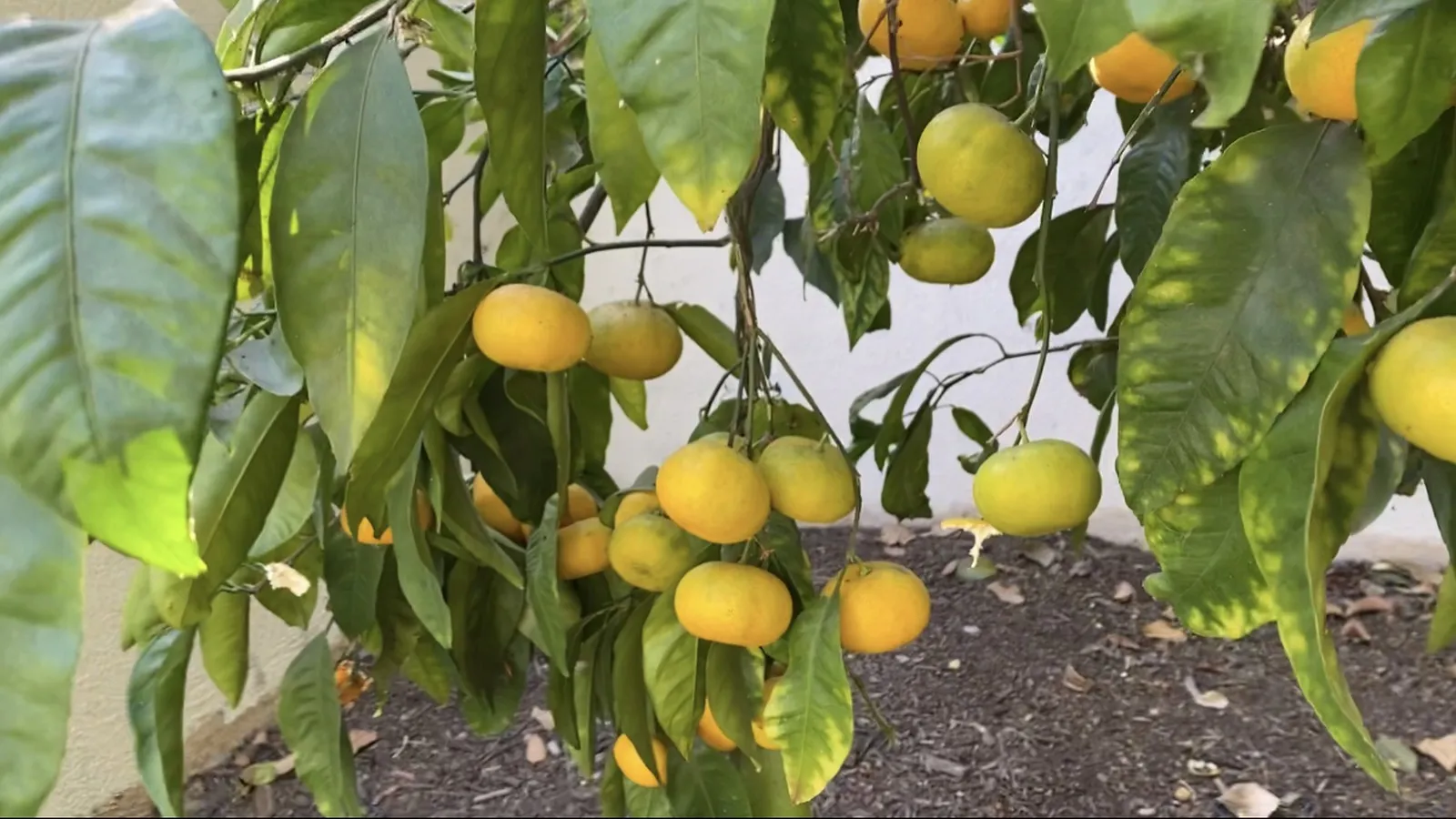
Best Backyard Mandarin Trees to Grow in Australia
Find the best mandarin variety to grow at home in Australian conditions, comparing Imperial, Afourer, and Emperor for sweet fruit and easy care.
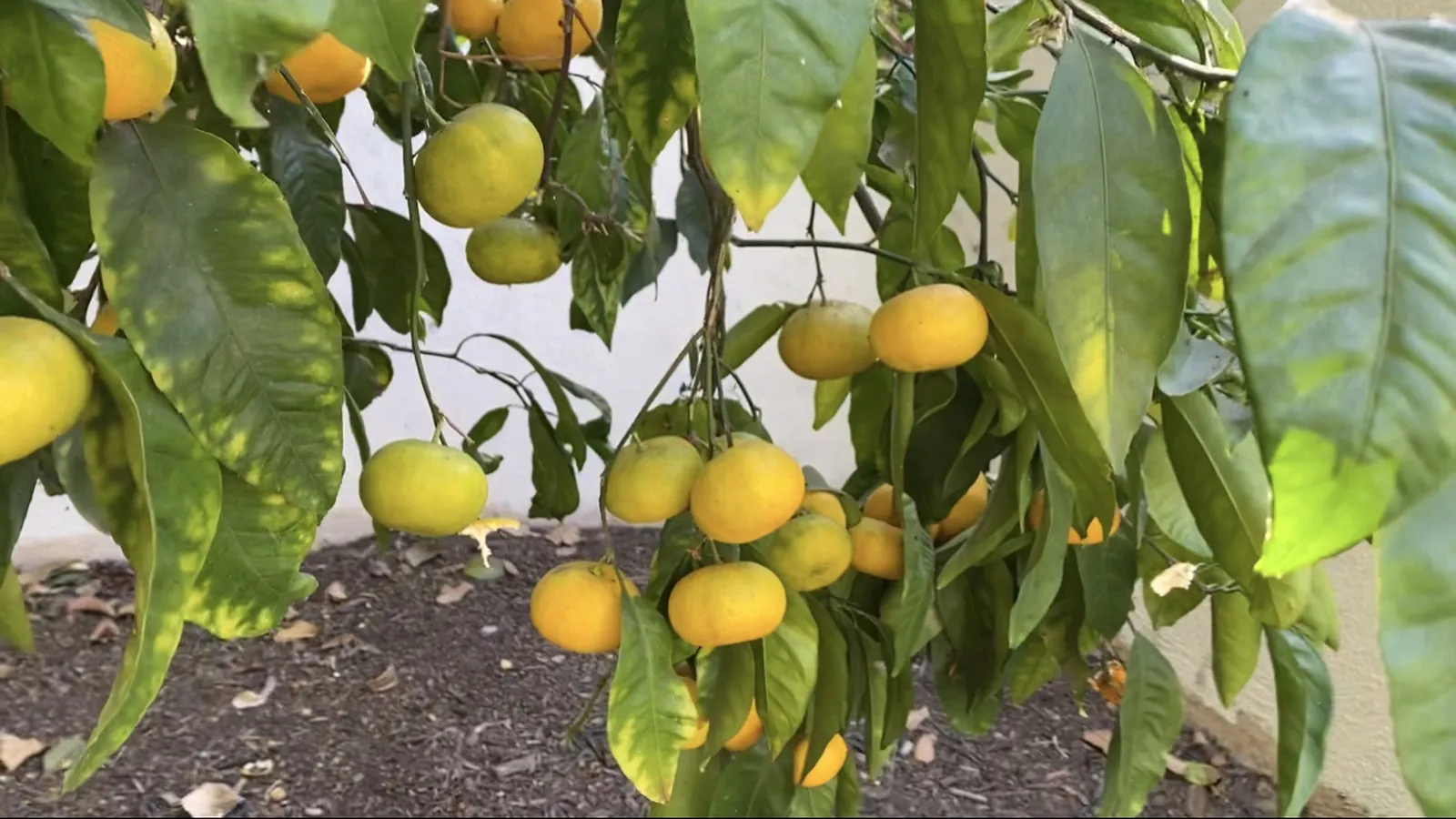
Citrus Canker in Australia: Symptoms and Control
Identify citrus canker symptoms on leaves and fruit. Learn Australian quarantine rules, biosecurity prevention methods, and reporting steps for growers.
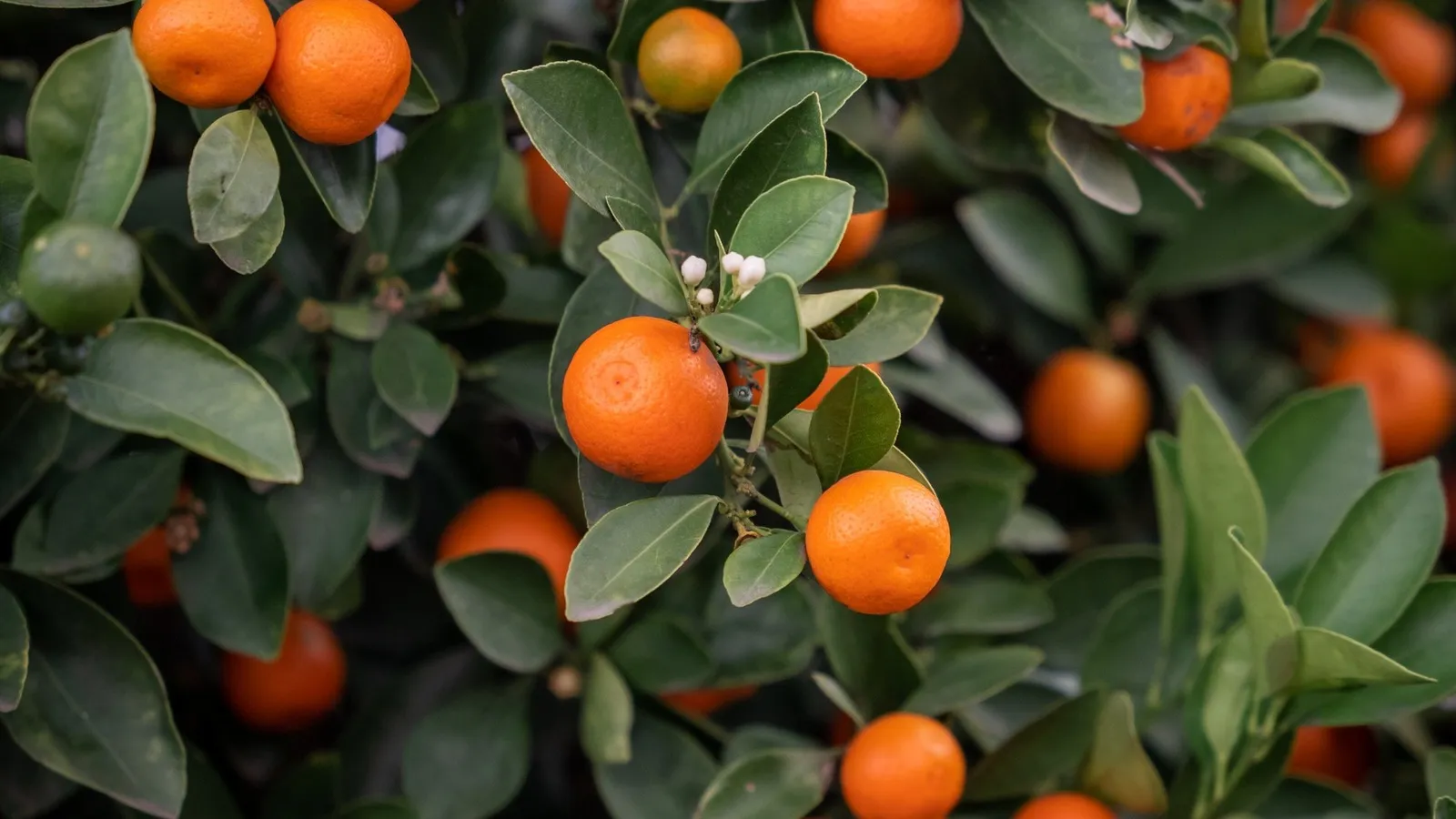
Citrus Gall Wasp
Citrus gall wasp causes woody lumps on citrus stems. Control starts with checking new growth, pruning at the right time, and protecting spring flush.
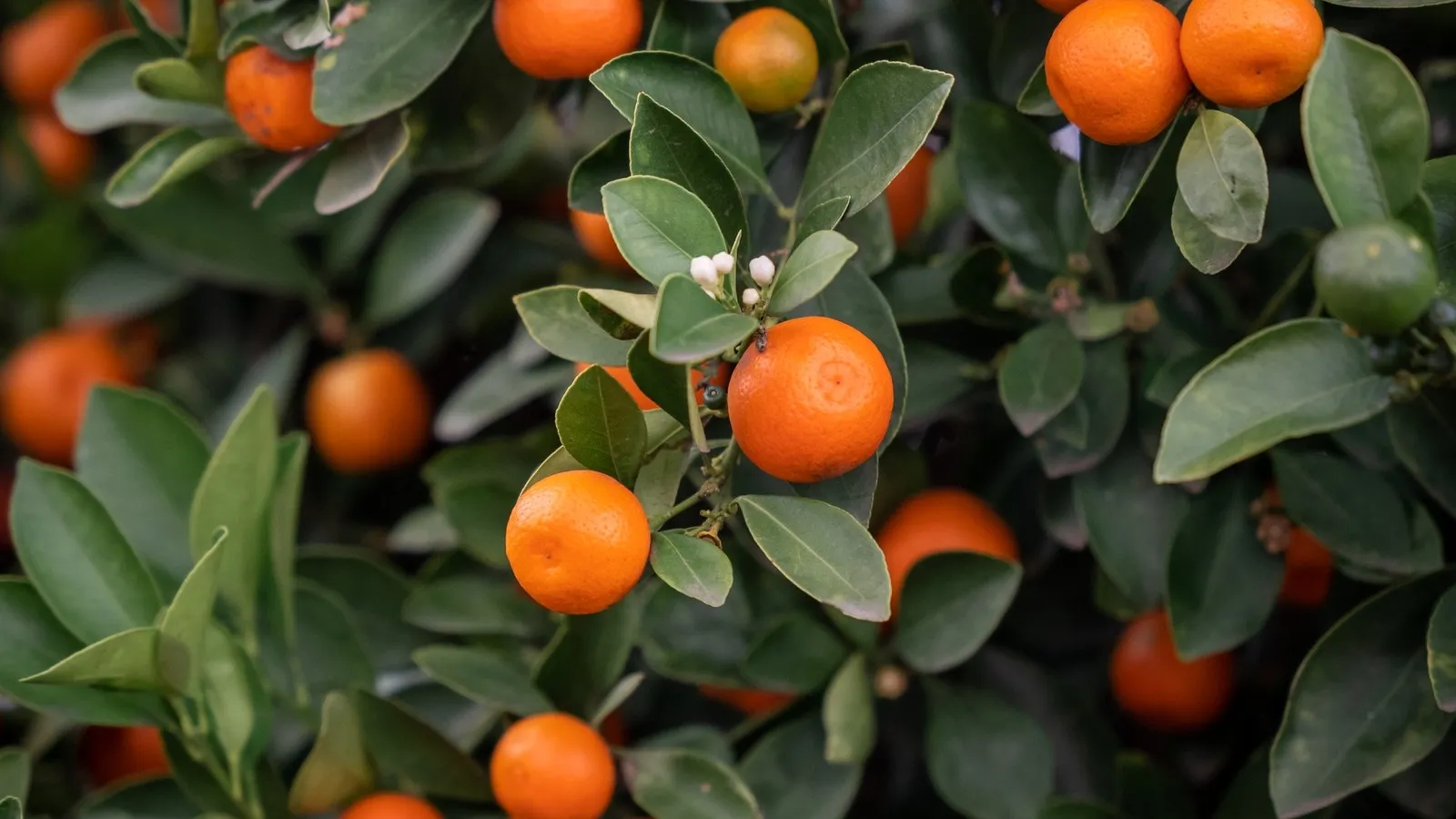
Citrus Leaf Miner
Citrus leaf miner marks new citrus leaves with silvery trails and curled growth. Young mandarin trees need the most attention.
Dwarf Mandarin Trees: Best Varieties for Australian Pots
Grow a dwarf mandarin tree in pots or small courtyards. Find the best varieties for Australian backyards, potting mix choices, and ongoing care tips.
Fertilising Mandarin Trees in Australia
When and how to fertilise mandarin trees in Australia, including Yates Thrive Citrus, Seasol, manure, and feeding by season.
Growing Mandarins from Seed: Australian Step-by-Step Guide
Learn how growing mandarins from seed works in Australian conditions. Follow steps for seed prep, germination, potting soil, and realistic fruiting times.
Mandarin Rootstocks for Australian Growers
Compare common mandarin rootstocks for Australian soils and growing regions. Learn how rootstock choice affects tree vigour, fruit flavour, and yield.
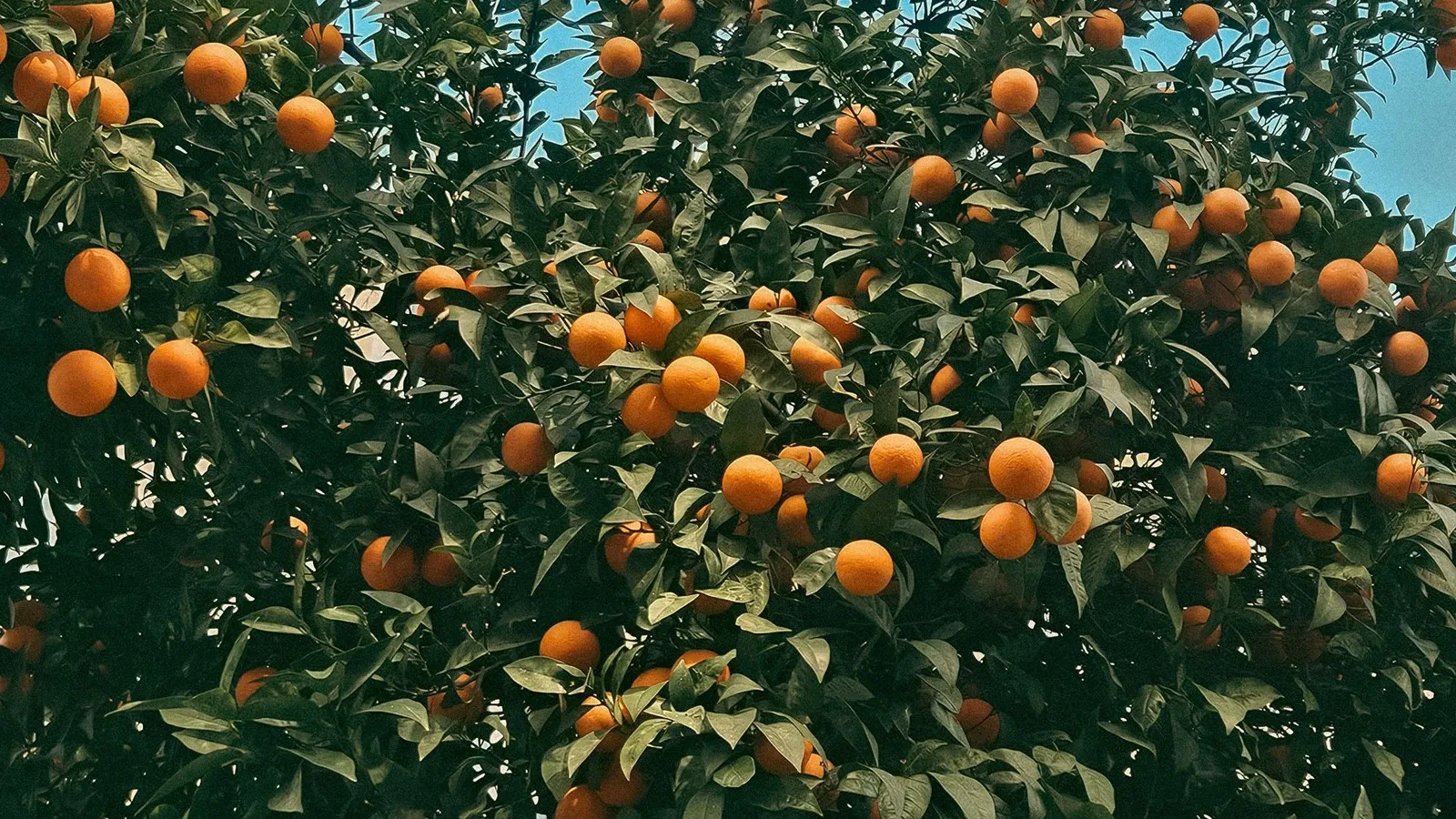
Mandarin Tree Care: Watering, Pruning, and Fertiliser Guide
Keep your citrus healthy with essential mandarin tree care tips. Practical advice on seasonal watering schedules, fertiliser needs, pests, and pruning.
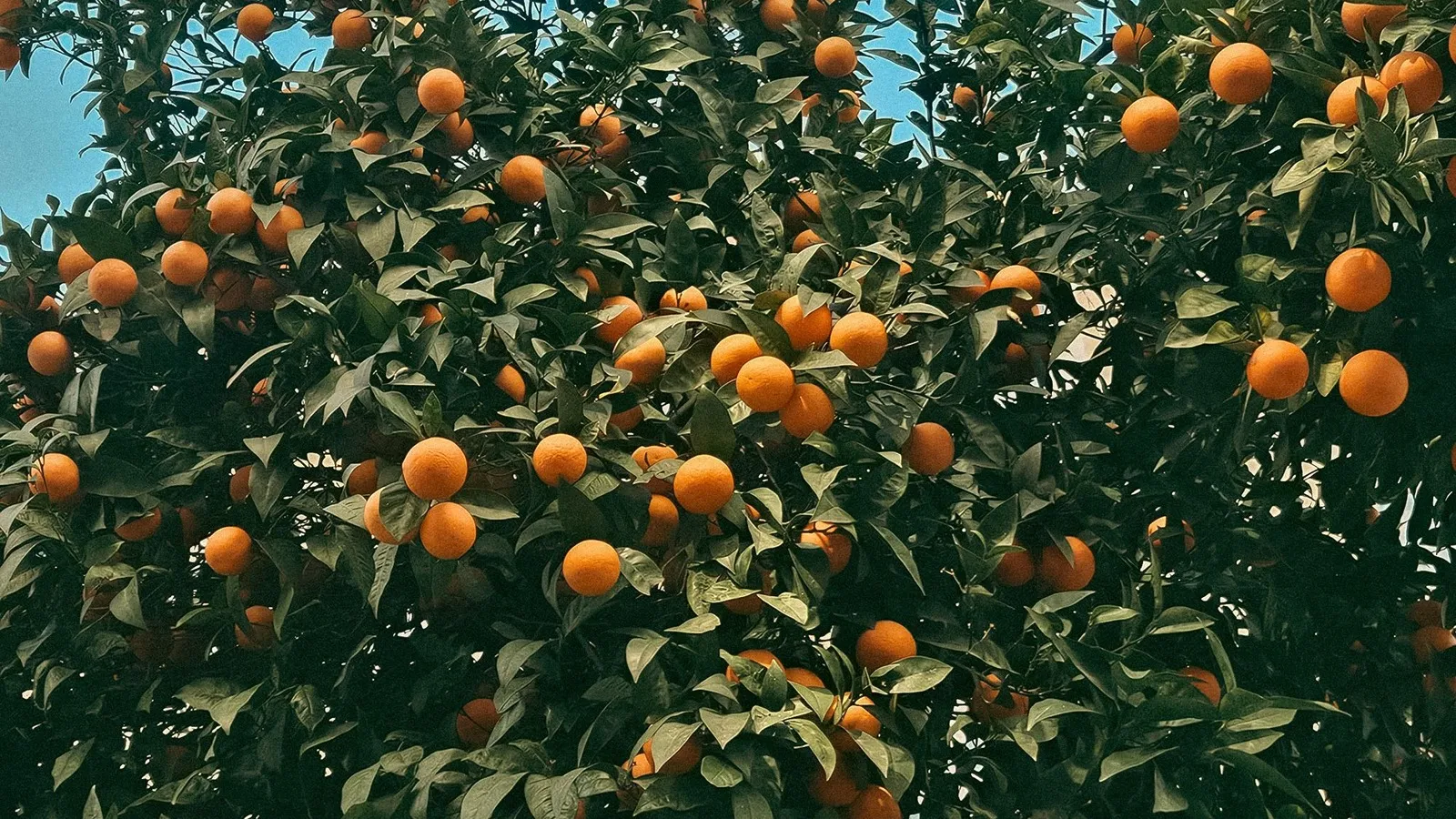
Mandarin Tree Not Fruiting: Causes and Practical Fixes
Solve poor fruiting on your mandarin tree with simple checks for sunlight, pollination, watering, and fertiliser to get reliable crops each winter.
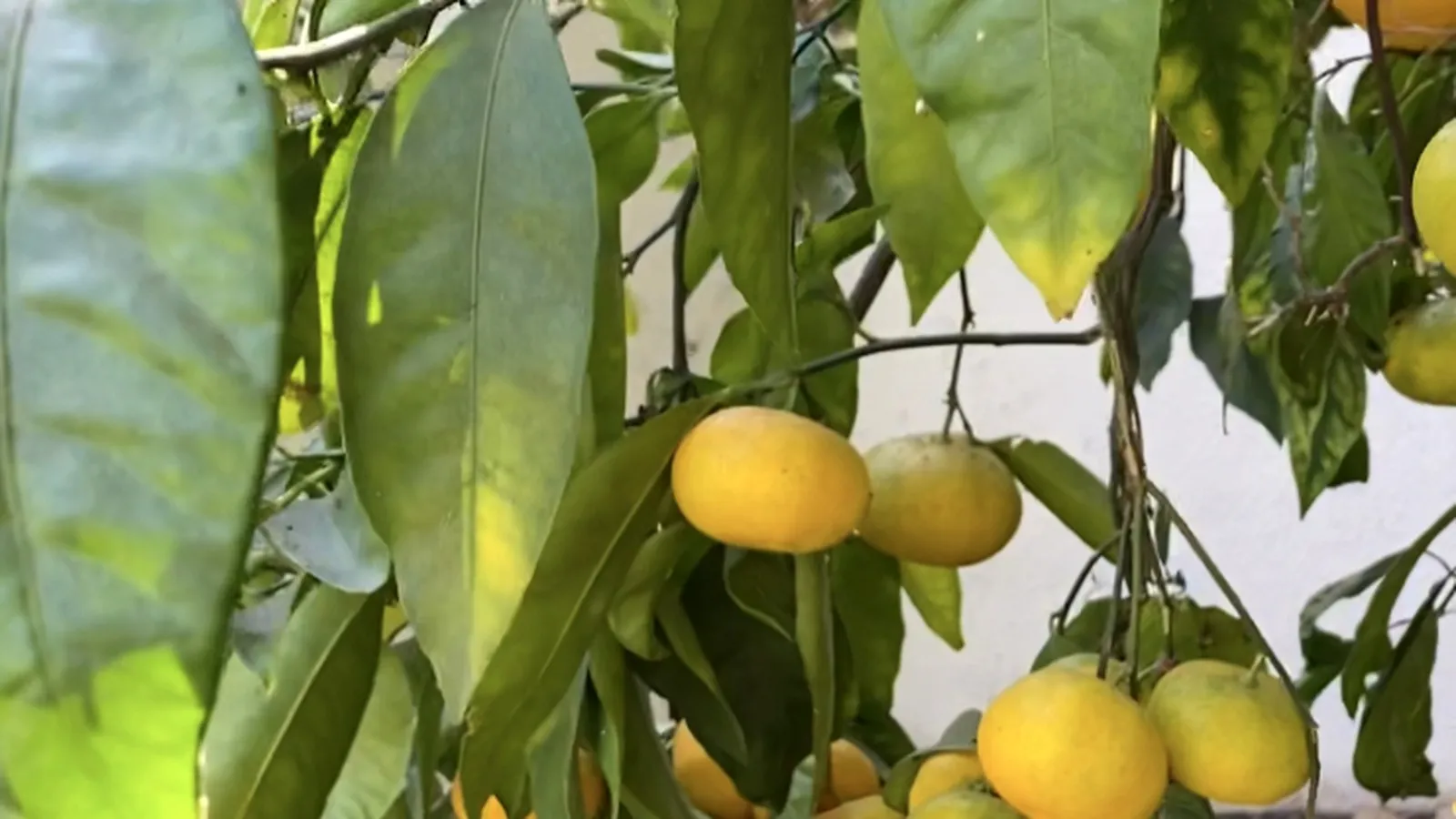
Mandarin Tree Yellow Leaves: Causes and Fixes
Fix yellow leaves on your mandarin tree. Identify signs of nutrient deficiency, overwatering, or root pests and apply the right fertiliser to restore health.
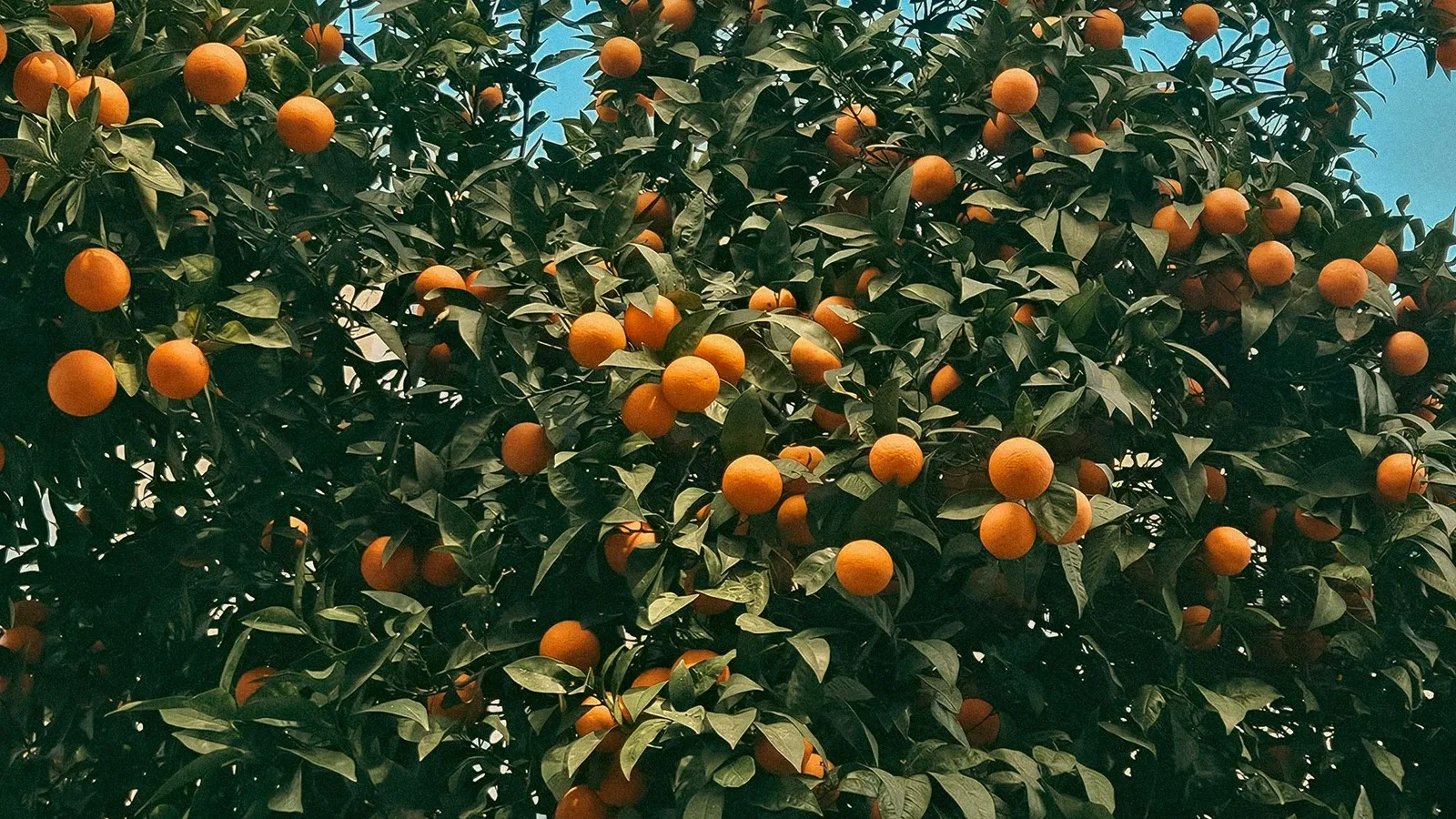
Pruning Mandarin Trees: When and How to Prune Citrus
Learn when and how to prune mandarin trees in Australia. Follow timing tips, thinning methods, and cut advice to improve fruit yield and tree health.