The Australian guide to mandarins
Australian Mandarins.
Australian mandarins are a winter fruit. Imperial leads the season from autumn, Hickson and Daisy fill the middle, and Honey Murcott and Afourer carry through to spring. This site is the practical reference: varieties, season, backyard growing, recipes, nutrition, and the regions that grow the fruit.
Why this site exists
Australian mandarins have their own story.
Most mandarin content online is written for the United States or Europe, where the names, seasons, and pests are different. Mandarins.com.au is built around Australian varieties (Imperial, Honey Murcott, Hickson, Daisy, Afourer, Sumo, Satsuma), the Australian winter season, our climate zones, our biosecurity issues, and the regions that grow the fruit (Central Burnett, Riverland, Sunraysia, Riverina, Carnarvon). The hook is Imperial, the early season mandarin that was raised in Emu Plains, NSW in the 1890s.
Explore by topic
Start with the question you have.
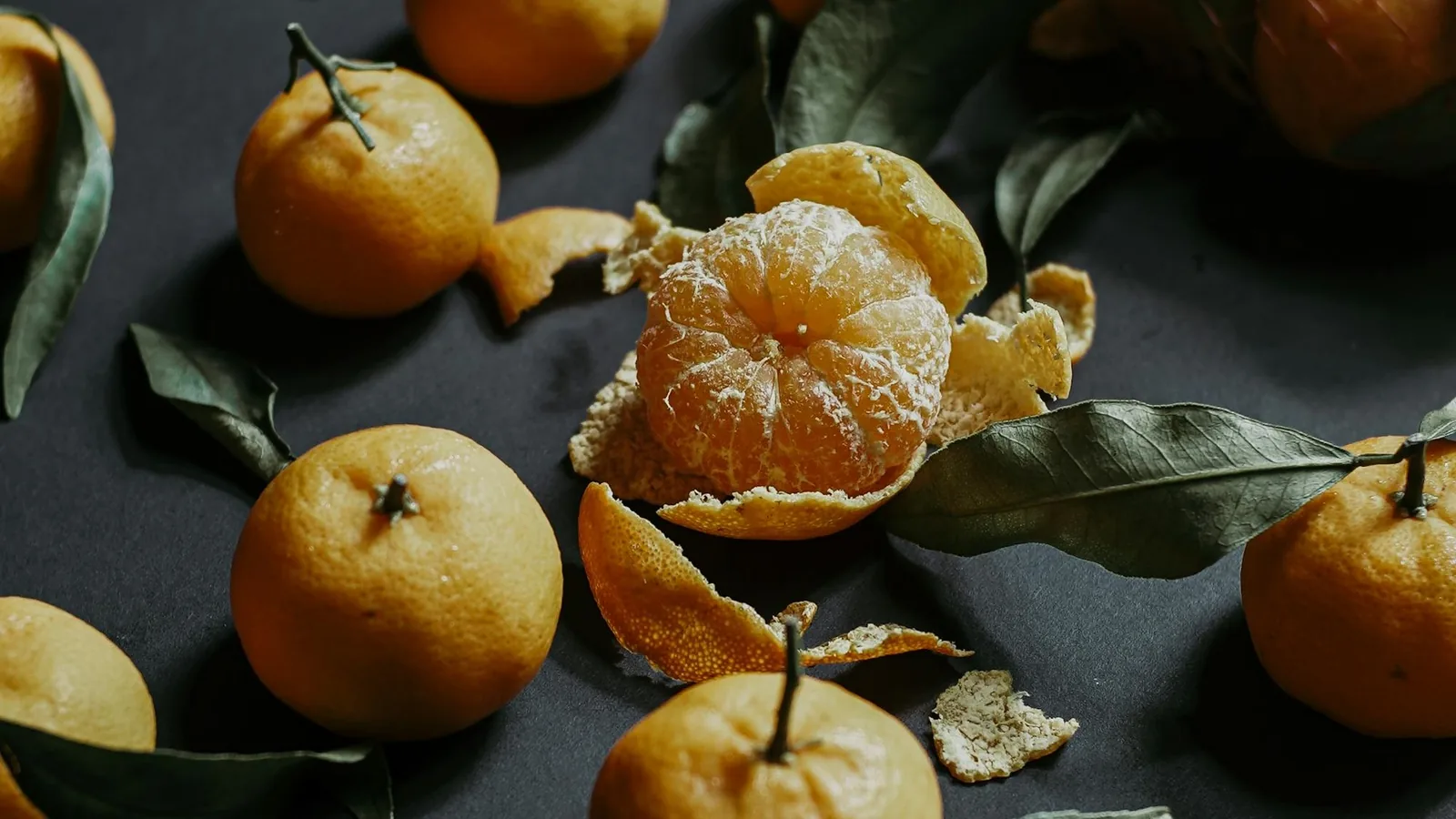
Australian Mandarin Varieties
Imperial, Honey Murcott, Hickson, Daisy, Afourer, Sumo, Satsuma, and the comparisons Australian shoppers actually search for.
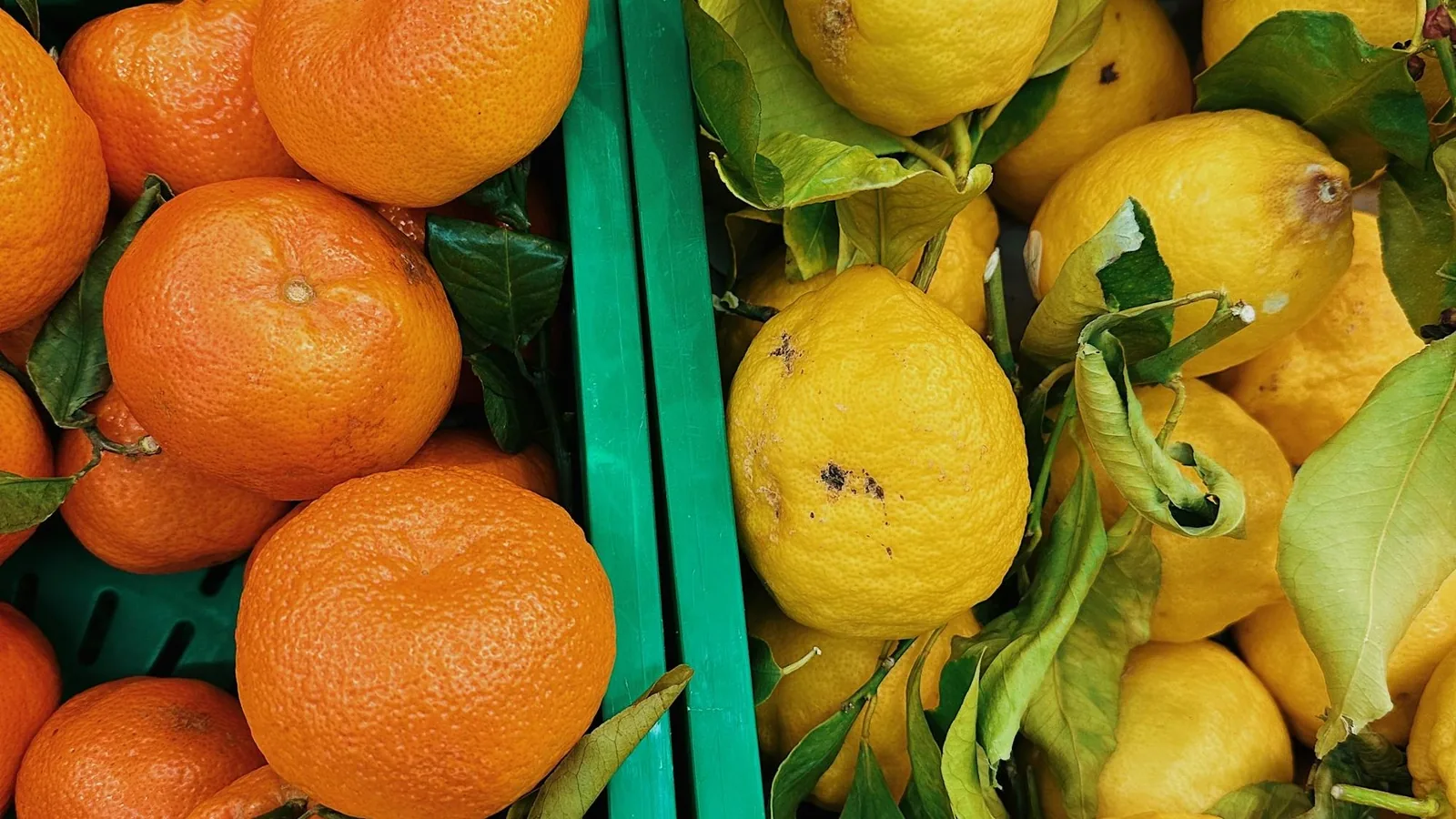
Australian Mandarin Season
Month by month season notes, how to pick good fruit at Coles, Woolworths and the markets, plus storage and farm direct buying.
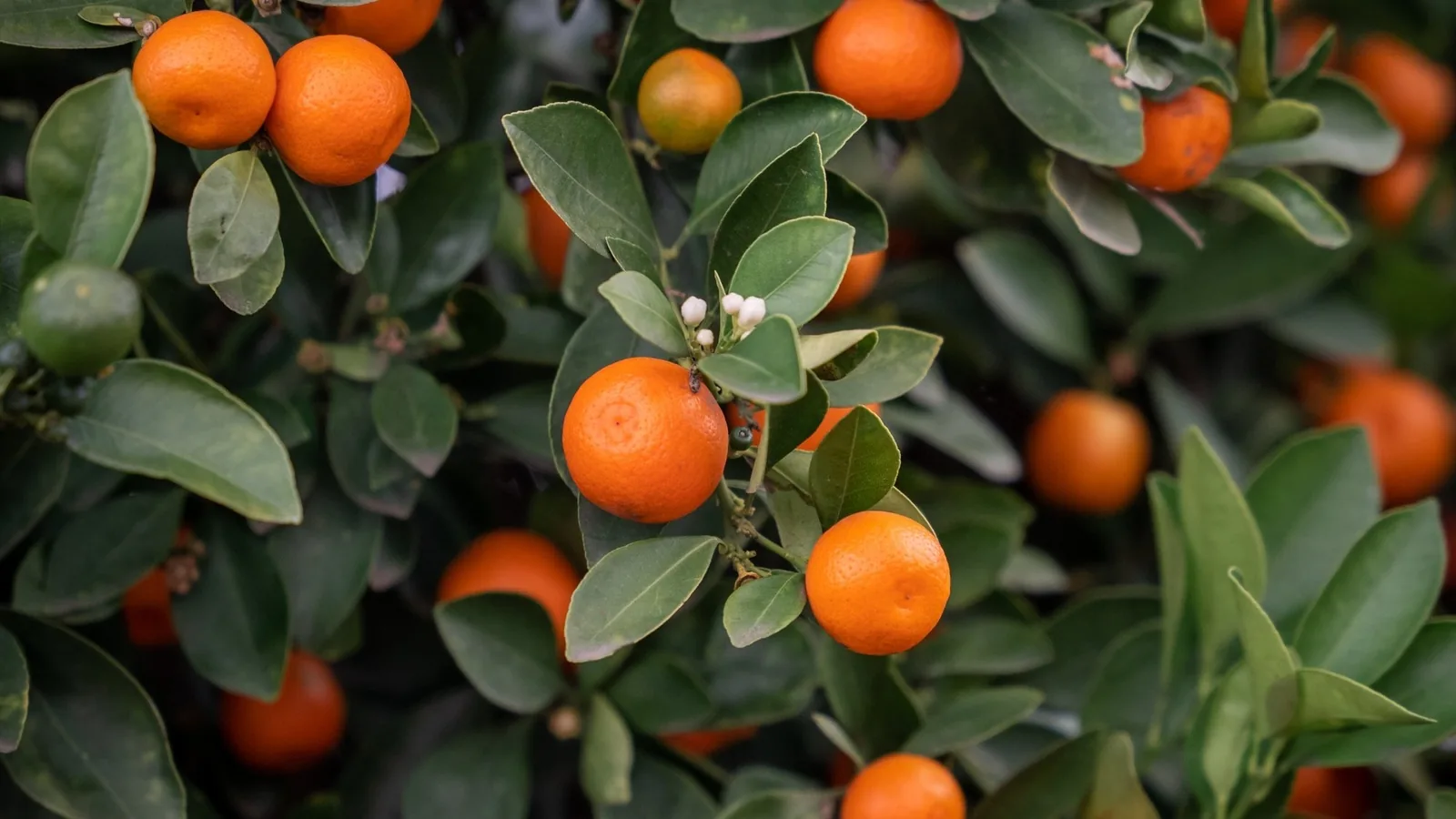
Growing Mandarins at Home
Australian backyard advice: climate zones, dwarf trees in pots, pruning, citrus gall wasp, leaf miner, canker, and yellow leaves.
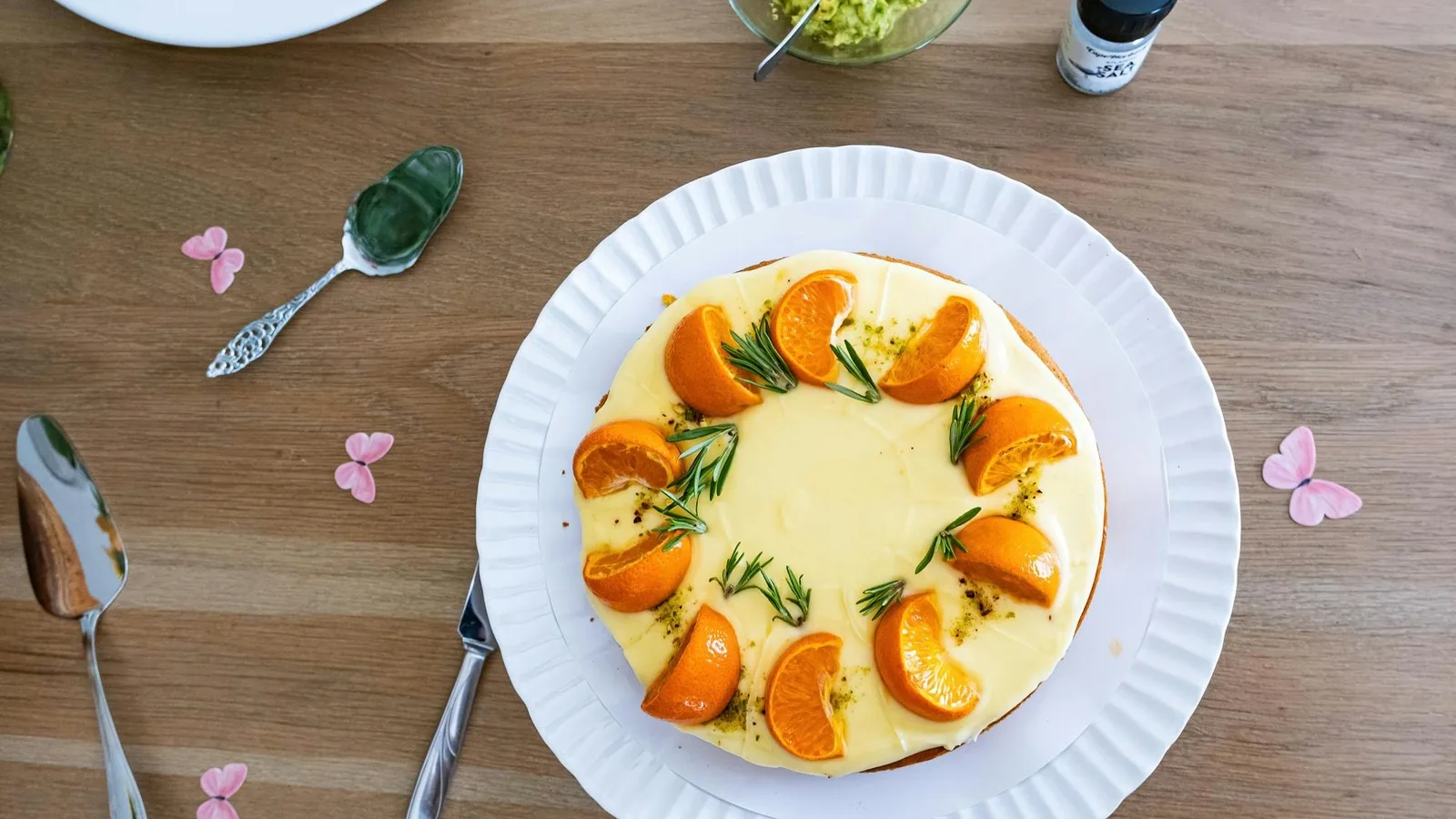
Mandarin Recipes
Winter cakes, marmalades, curds, sorbets, candied peel, salad dressings, syrups, and Australian gin pairings.
Mandarin Nutrition
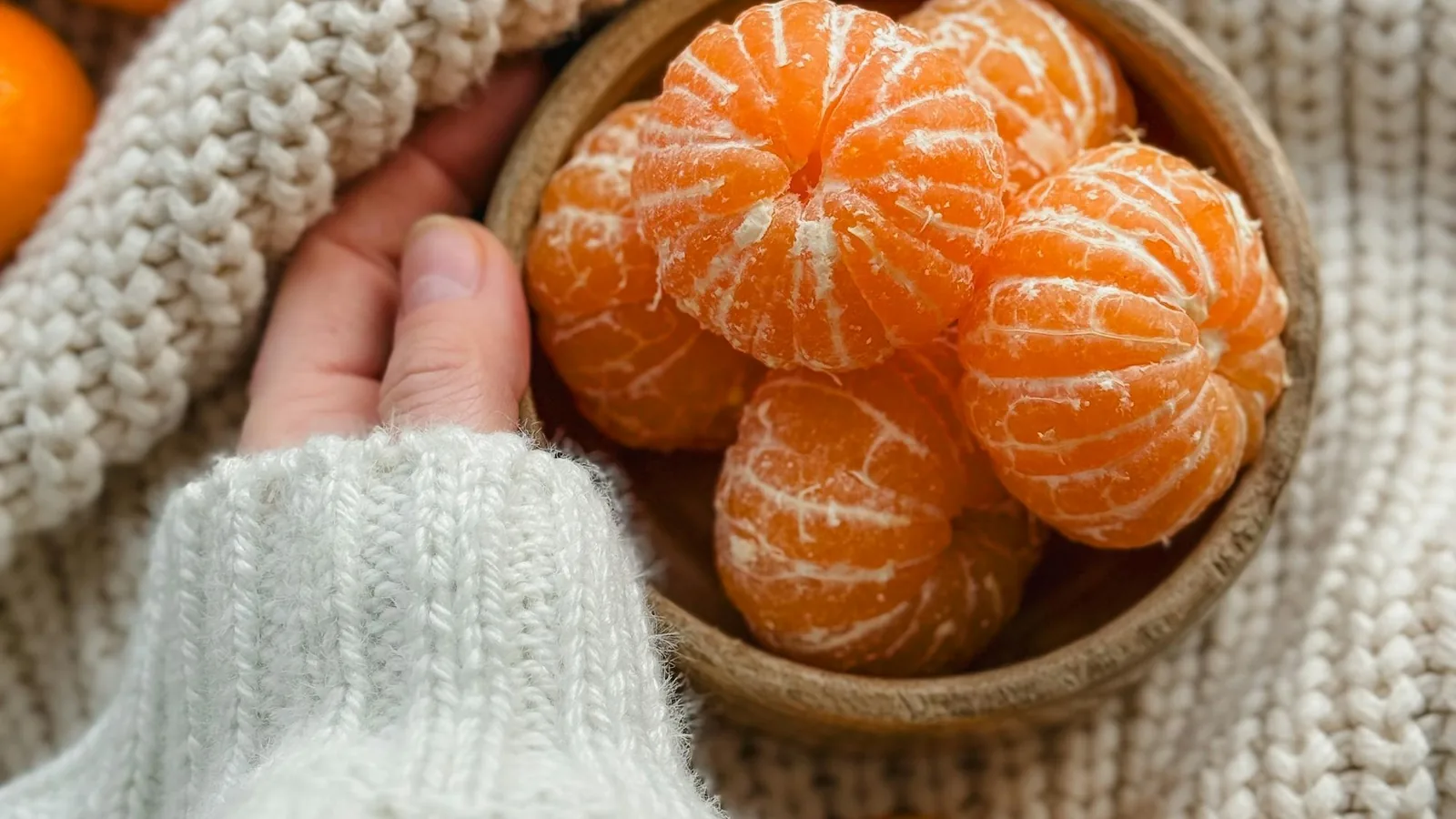
Calories, vitamin C, kids, pregnancy, diabetes, dogs, and the medication interaction questions often confused with grapefruit.
The Australian Mandarin Industry
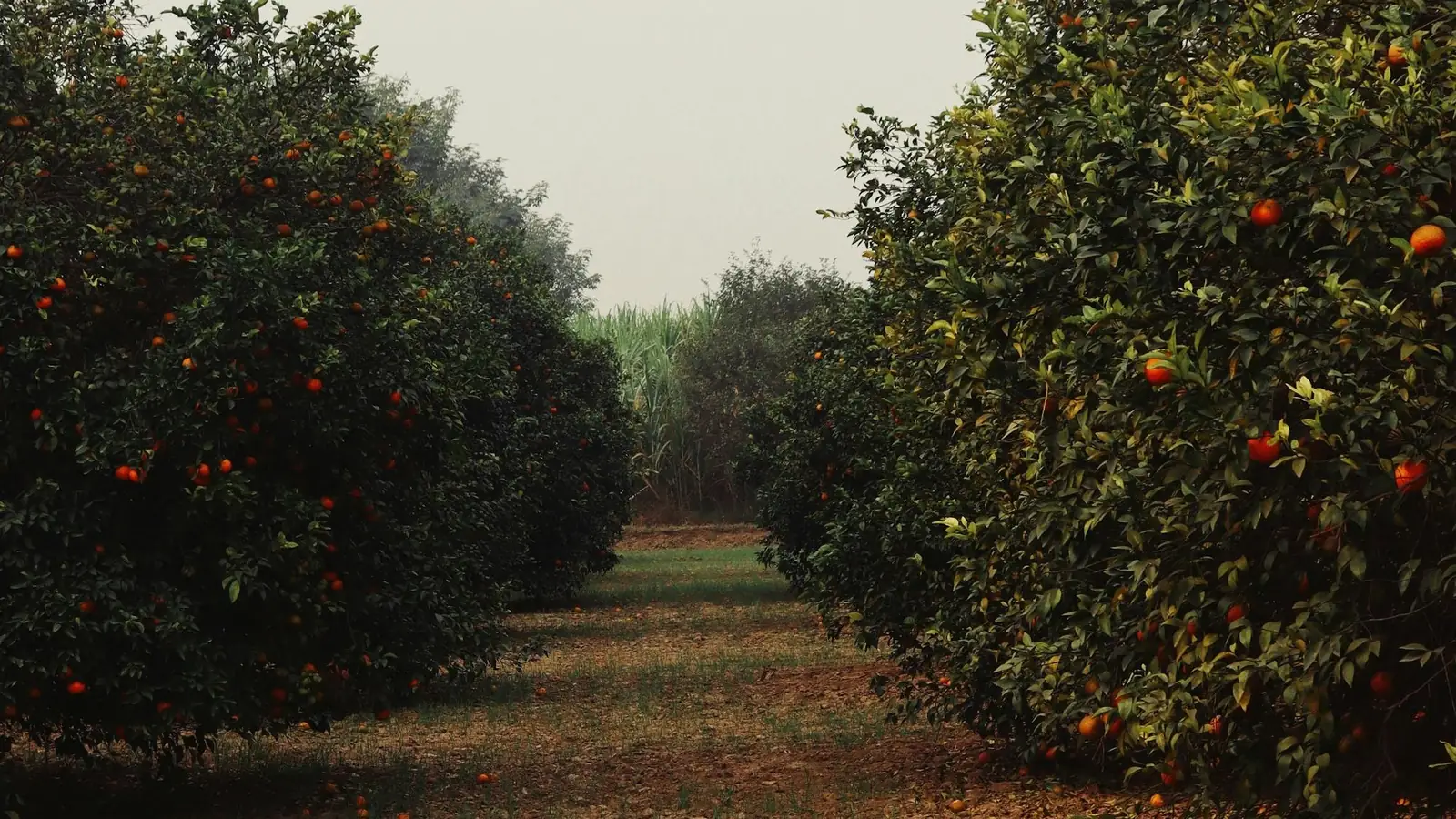
Growing regions, exports, prices, Citrus Australia, the Central Burnett (Gayndah and Mundubbera), and Riverland fruit.
History & Culture
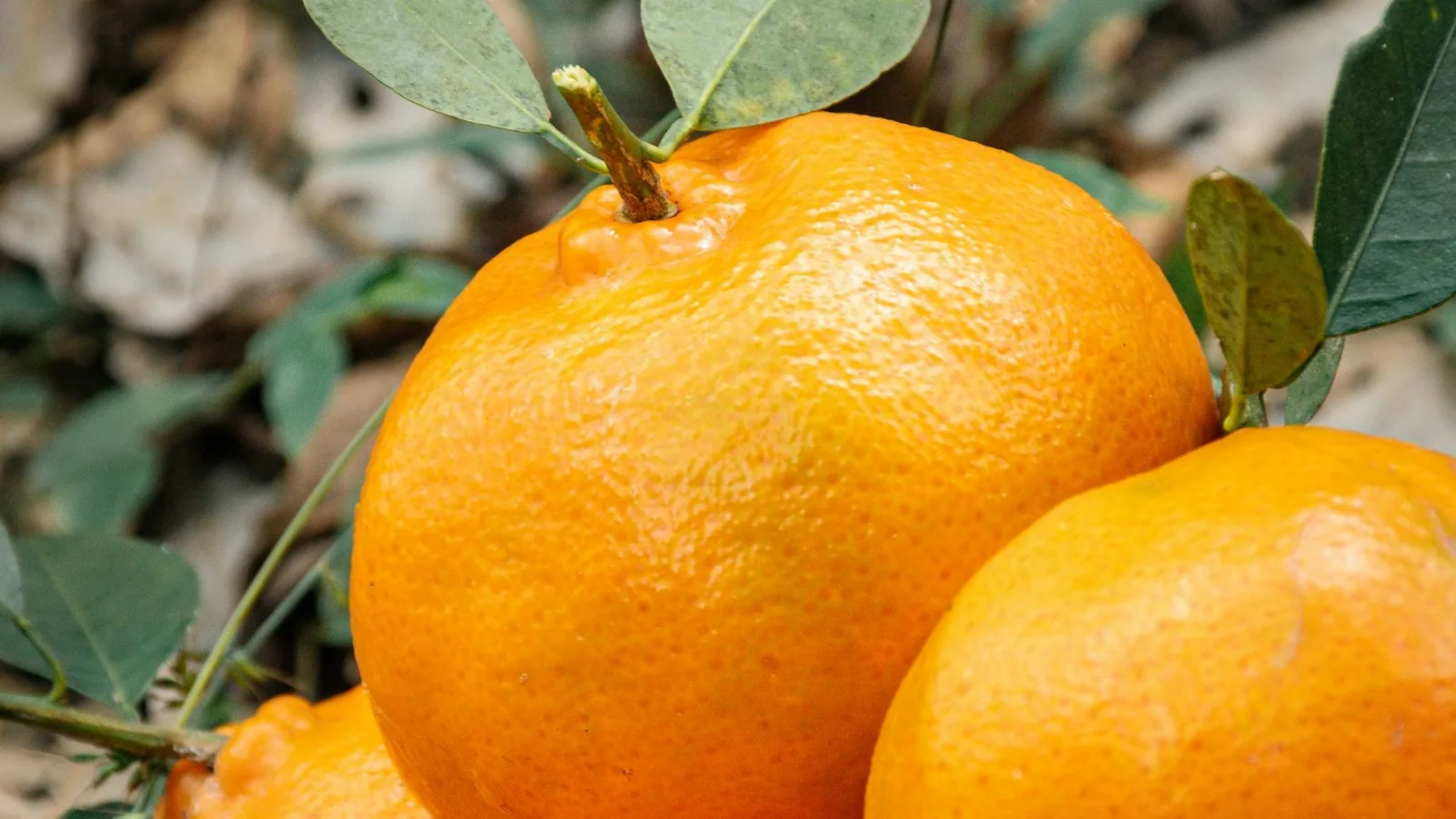
The Imperial mandarin Emu Plains origin story, Australian citrus history, Lunar New Year mandarins, and the Gayndah Orange Festival.
Featured guides
The most useful Australian mandarin reads

Can Dogs Eat Mandarins?
Can dogs eat mandarins? A common question from Australian pet owners. Here is the context for why it comes up, and where to find reliable guidance.
Citrus Leaf Miner
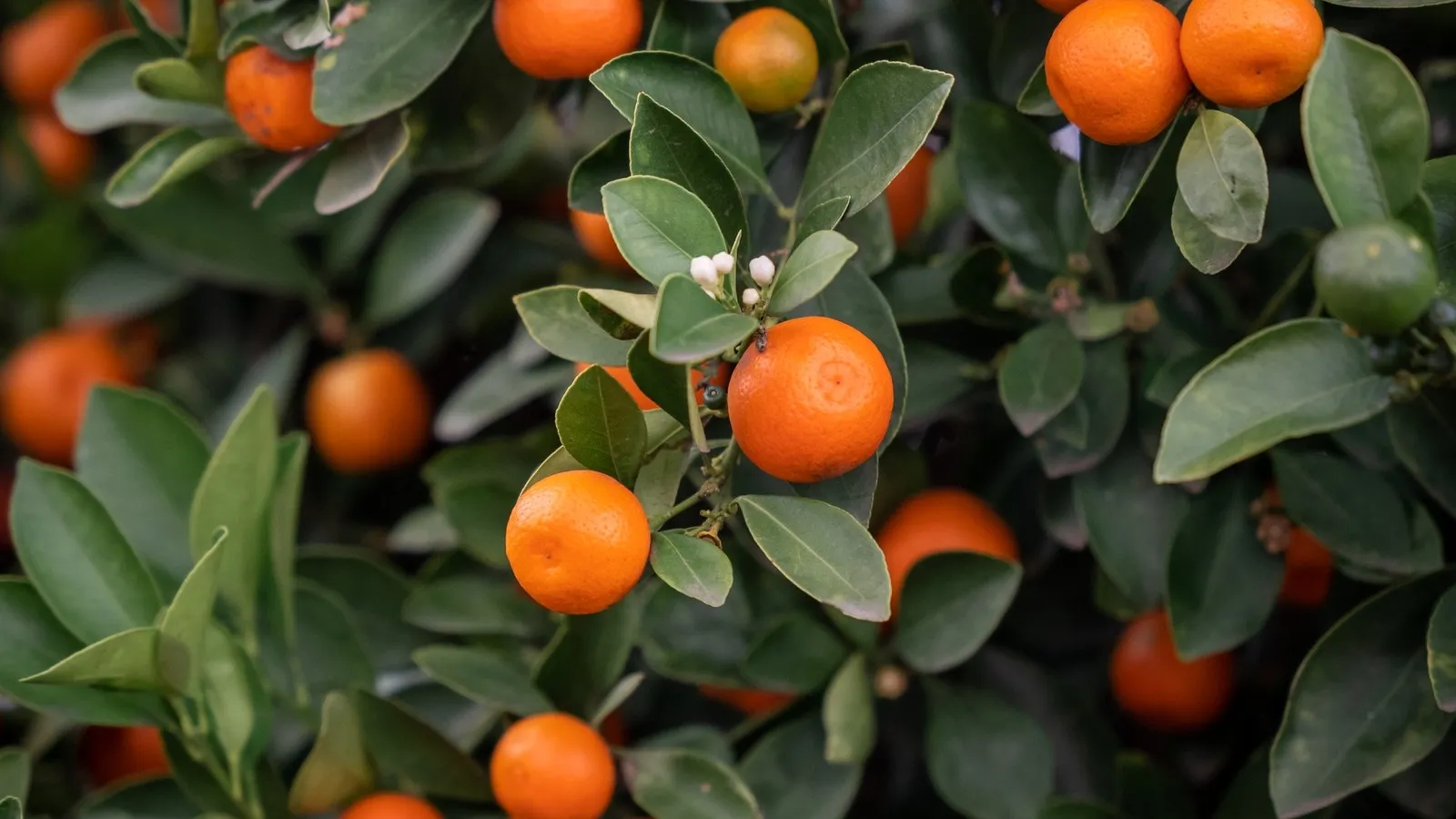
Citrus leaf miner marks new citrus leaves with silvery trails and curled growth. Young mandarin trees need the most attention.
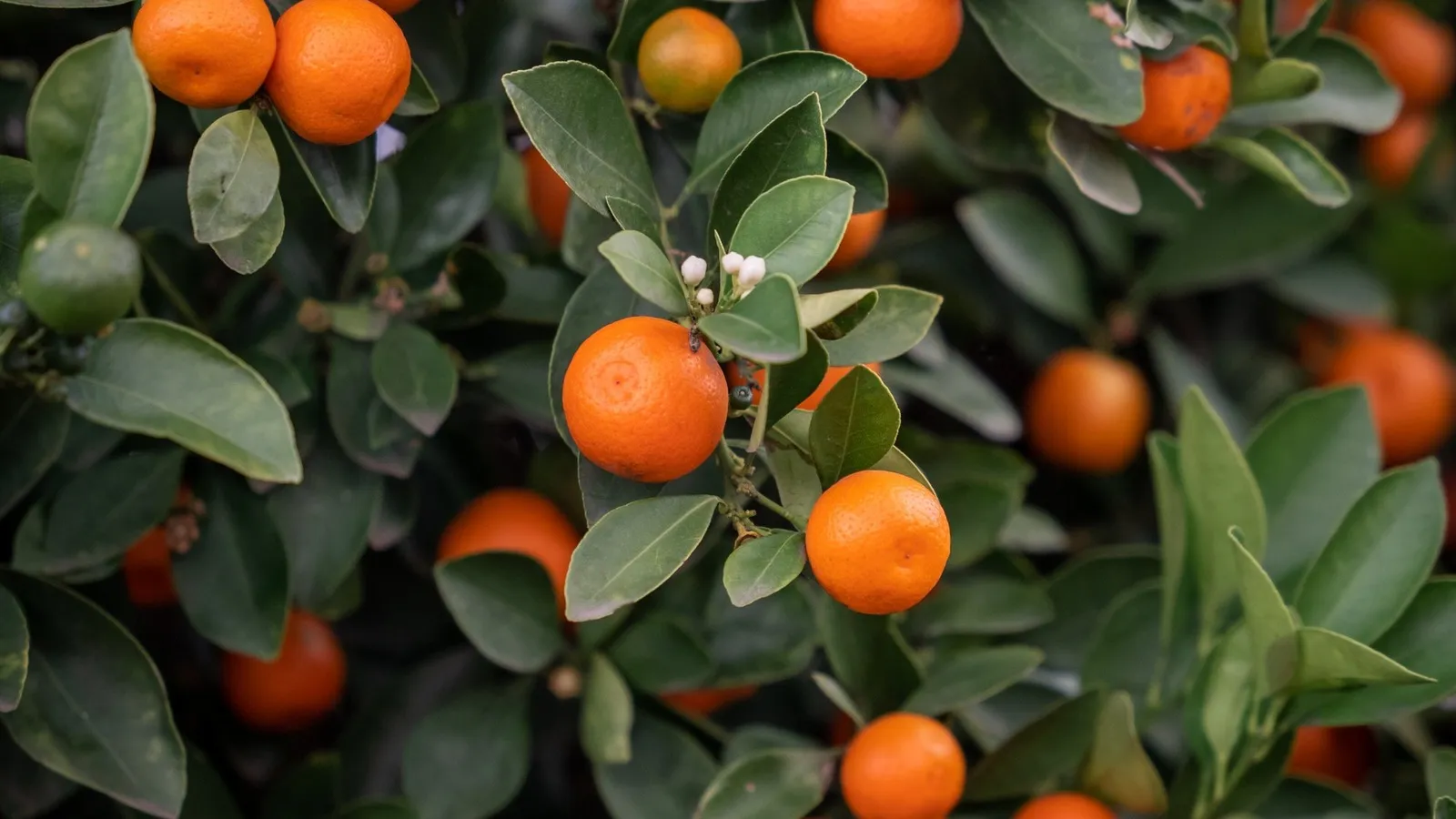
Citrus Gall Wasp
Citrus gall wasp causes woody lumps on citrus stems. Control starts with checking new growth, pruning at the right time, and protecting spring flush.
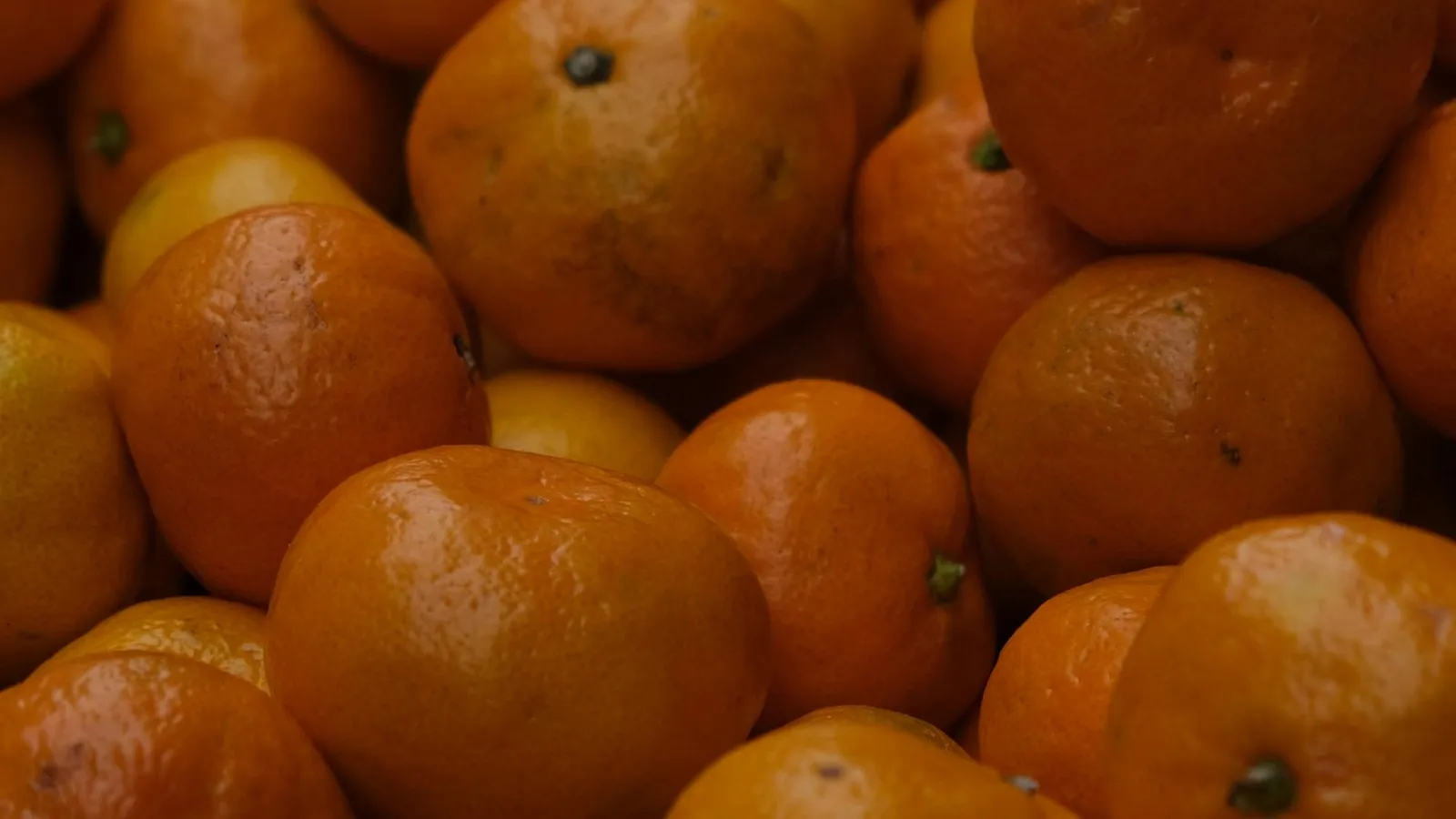
Imperial Mandarin
Imperial mandarin is the early Australian favourite: easy to peel, sweet, usually low seed, and tied to a NSW origin story.
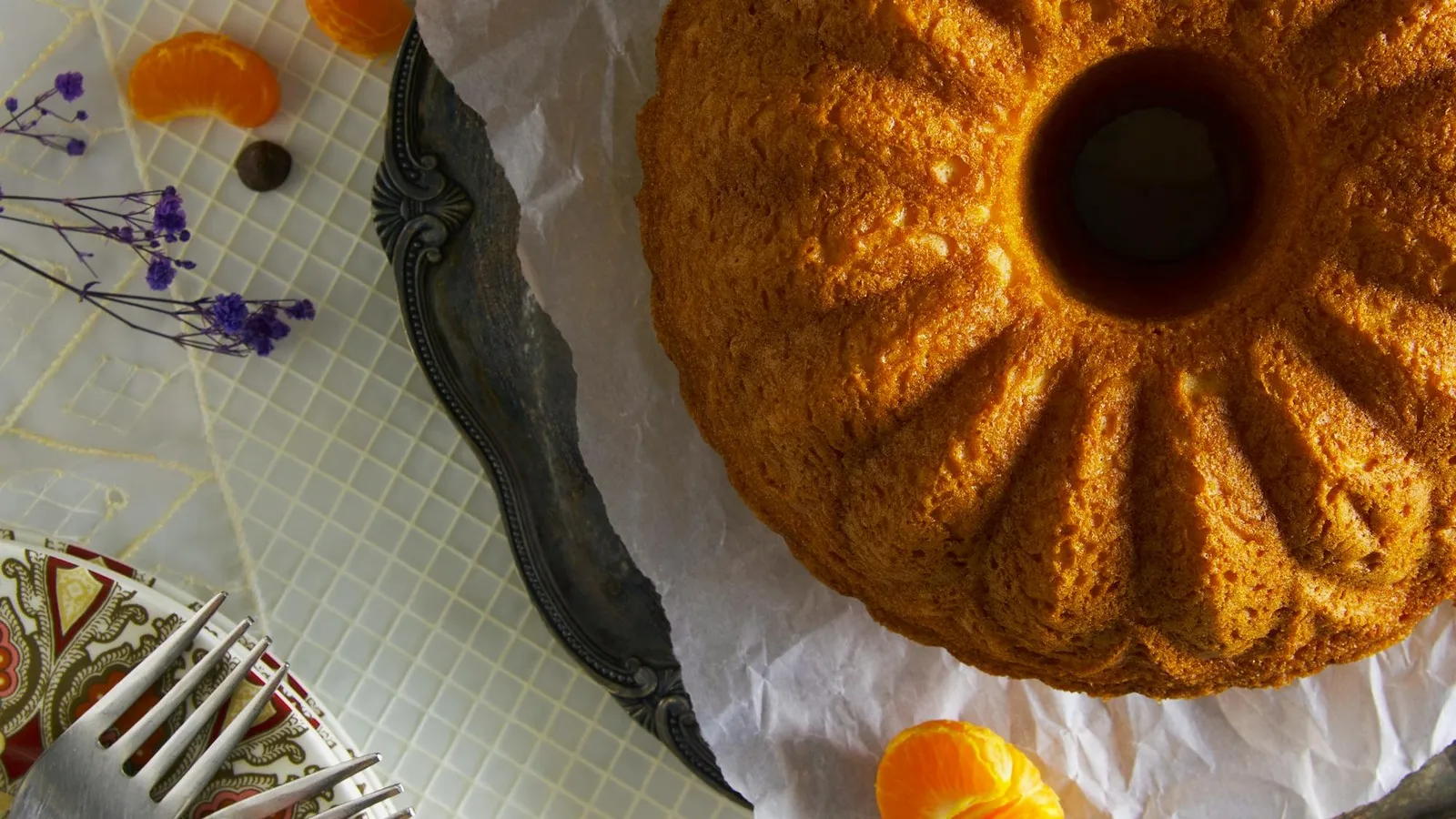
Mandarin Cake
Mandarin cake works because whole cooked mandarins bring fragrant peel, juice, and pulp into a moist winter cake.
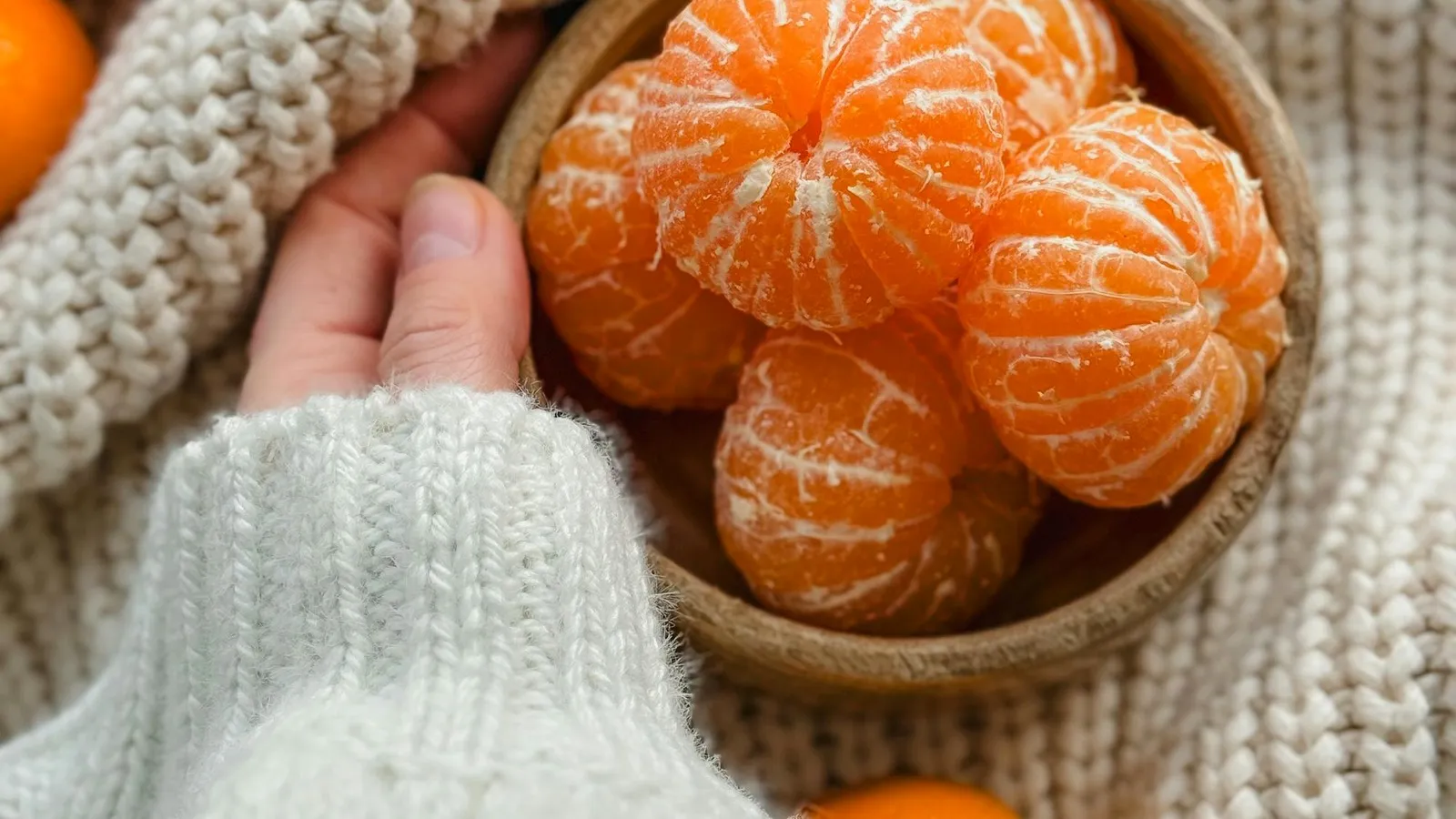
Mandarin Calories: How Many Per Fruit
A medium mandarin has around 47 calories (197 kJ), making it a light, filling snack. See calories by fruit size plus sugar and fibre facts.
The Australian season
When Australian mandarins are in the shops
Autumn
April to early June
Imperial leads. Queensland fruit arrives first, easy to peel, lower seed, the lunchbox favourite.
Early winter
June to July
Imperial peaks. Hickson and Daisy fill the middle of the season. Best window for marmalade.
Late winter
August to September
Afourer and Honey Murcott come in. Juicier, sweeter, better for cakes, curds, and juicing.
Spring
September to October
Honey Murcott and the late seedless varieties (Tango, Mandared) carry the tail of the season.
Full guide: when mandarins are in season in Australia.
Australian mandarins, properly local.
From a supermarket net of Imperials to a dwarf tree in a courtyard, the advice on this site is local: Australian seasons, Australian pests, Australian terms, Australian sources.
Open the buying guide