Mandarin Varieties in Australia: Guide to Local Types
Explore common types of mandarins in Australia, including seedless Imperial, sweet Afourer and Honey Murcott, with harvest timing and flavour profiles.
Australian mandarin varieties cover a season that runs from April to October, with different fruit available each month. The main commercial varieties are Imperial, Honey Murcott (Murcott), Afourer, Hickson, and Daisy. Newer types include Sumo (Dekopon), Satsuma, and a range of branded seedless selections. If seeds are your main concern, see our guide to which mandarins are seedless. This page is the starting point for all variety questions.
Quick guide to Australian mandarin varieties
More than ten mandarin varieties are grown commercially in Australia. The season runs from April in Queensland to October in southern states. Each variety has a specific window, flavour profile, seed count, and peel type. Knowing the variety on the label tells you more about what you are buying than any other indicator.
Queensland grows the most mandarins by volume. The Murray Valley, Sunraysia, Riverland (SA), and Carnarvon (WA) are the other main growing regions. Ironbark Citrus, Nutrano, and Pacific Fresh are among the larger commercial operations.
Early season (April to June)
Satsuma (Okitsu Wase, Miho Wase)
The first mandarin of the year. Seedless, soft peel, mild sweet flavour. More common in backyards than on supermarket shelves. Cold-tolerant and suited to southern gardens. Fruits from April.
Imperial
Australia’s most widely planted mandarin. A chance hybrid from Emu Plains, NSW, in the 1890s. Thin yellow-orange skin, sweet flavour with moderate acidity, few seeds. The variety that starts the national season: Queensland fruit from April, southern states from May. Available at all major supermarkets.
Imperial mandarin full profile
Clementine (Nules)
Small, aromatic, easy to peel. Grown mainly in the Riverland (SA) and WA. Limited commercial volume. Season from May to July. Closer to the European clementine experience than any other Australian variety. Available from specialist nurseries as a backyard tree.
Mid season (June to August)
Hickson
A Queensland-origin variety with a distinctive slight neck at the stem. Juicy, good flavour, 12 to 15 seeds. Medium size. Available July to August. Found at independent greengrocers and markets rather than always in major supermarkets.
Daisy
Medium to large, dark glossy red-orange skin, sweet with good juice and little rag. One to three seeds per segment. Arrives a few weeks after Imperial. Available July to August. Grows on a range of rootstocks; a dwarf form is available for pots.
Sumo (Dekopon, Shiranui)
Very large with a bumpy skin and a topknot. Seedless, sweet, low acid. Developed in Japan in 1972. Sold under the Sumo Citrus brand at Woolworths. Short season: three to four weeks from late July to early September. Grown mainly in the Riverina (NSW).
Late season (August to October)
Afourer (Nadorcott)
Deep red-orange skin, thin and easy to peel. Usually seedless (seed count rises near other citrus). Sweet, juicy, flavoursome. One of the three dominant commercial varieties in Australia, accounting for around 23% of fresh production. Available from July to October or November.
Honey Murcott
The sweetest mainstream mandarin available. Rich honey-like flavour, high juice, several seeds per segment. Tighter skin than Imperial but still hand-peelable. Available from July to October. The second most planted mandarin in Australia by area. Also sold as Murcott.
Honey Murcott mandarin full profile
Tango and Mandared
Late-season seedless selections. Tango is a seedless Afourer developed at UC Riverside. Mandared is a deep-coloured late-season variety bred for shelf life. Both appear under grower or retailer brand names from August to October.
Tango and Mandared full profile
Backyard varieties
The best mandarin trees for home gardens in Australia depend on climate:
- Cooler climates (Melbourne, Adelaide, cooler NSW/VIC): Satsuma (Okitsu or Miho Wase) for cold tolerance and early harvest. Imperial is also reliable.
- Subtropical and warm temperate (Sydney, coastal QLD, coastal WA): Imperial, Emperor, Afourer, Honey Murcott.
- Small spaces or pots: Dwarf Daisy, Dwarf Afourer, Dwarf Satsuma. Most dwarf forms suit a 35-litre or larger pot.
Bunnings notes that planting two or three varieties extends the backyard harvest window. Satsuma fruits from April; Imperial from May; Daisy and Afourer from July; Honey Murcott from August or September. A small collection covers the whole Australian mandarin season.
See dwarf mandarin trees and best backyard mandarin trees for full growing guides.
Premium and emerging varieties
Australian retailers have introduced several proprietary branded varieties available exclusively at specific stores:
- Woolworths: Amorette (May to October), Sumo Citrus (August to September), Delite (July to October), Phoenix (July to August), Tangold Seedless (April to October)
- These are late-season seedless selections, mostly in the Afourer-Tango family
Queensland growers at Ironbark Citrus (Gin Gin, QLD) have also developed the Royal Honey Murcott, bred on their farm for superior sweetness, easy peel, and low seed count. It ships from May to June, earlier than standard Honey Murcott.
How to choose by purpose
Lunchbox: Imperial (April to June), Afourer (July to October), or any seedless branded variety. Easy peel, low seeds, moderate to good sweetness.
Juicing: Honey Murcott for the sweetest, richest juice. Afourer for deep colour. Sumo for something special and low in acid.
Mandarin cake: Honey Murcott or Daisy for sweetness and juice. Boil whole, blend, and use the puree as a base. See mandarin cakes.
Marmalade: Hickson or Honey Murcott for natural pectin from seeds. Deseed or sieve after cooking. See mandarin marmalades.
Gifting or special occasion: Sumo, for its size and distinctiveness. In season August to September.
Backyard tree for cooler climate: Satsuma Okitsu Wase. Hardy, seedless, fruits early.
Naming: mandarins vs tangerines vs clementines
In Australia, all of these are called mandarins. Tangerine is a mostly American term. Clementine is a specific variety of mandarin grown mainly in the Mediterranean and in limited quantities in Australian backyards and the Riverland.
See mandarins vs tangerines and mandarins vs clementines for the full explanation.
All variety pages
- Imperial mandarin
- Honey Murcott mandarin
- Hickson mandarin
- Daisy mandarin
- Afourer mandarin (Nadorcott)
- Sumo mandarin (Dekopon)
- Satsuma mandarin
- Mandared and Tango mandarins
- Mandarins vs tangerines
- Mandarins vs oranges
- Mandarins vs clementines
Related pages
Explore Varieties
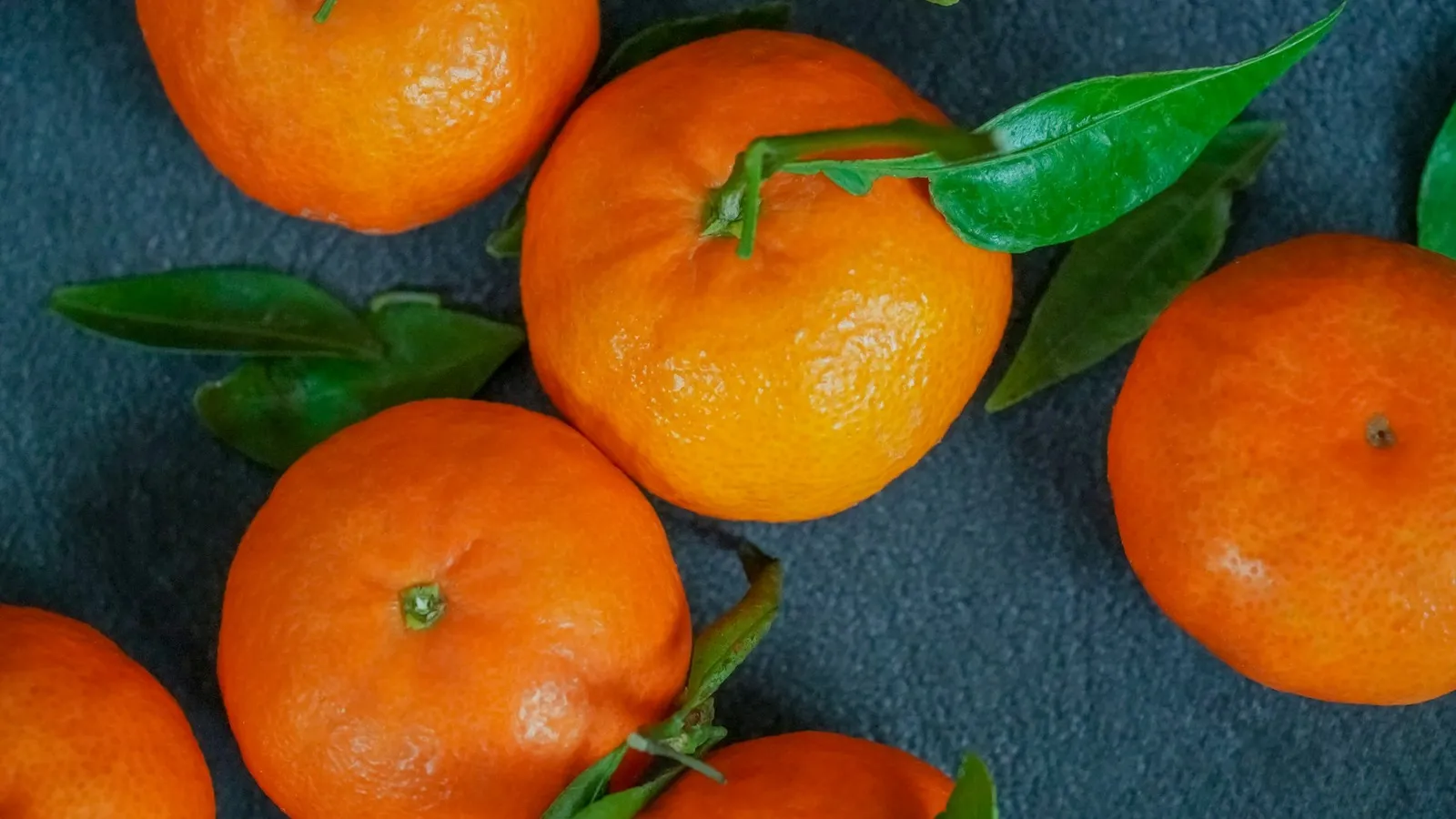
Afourer Mandarin Guide: Season, Flavour and Seeds
Learn about Afourer mandarins in Australia. Find season timing, deep orange peel traits, rich sweet flavour, and why some crops remain seedless.
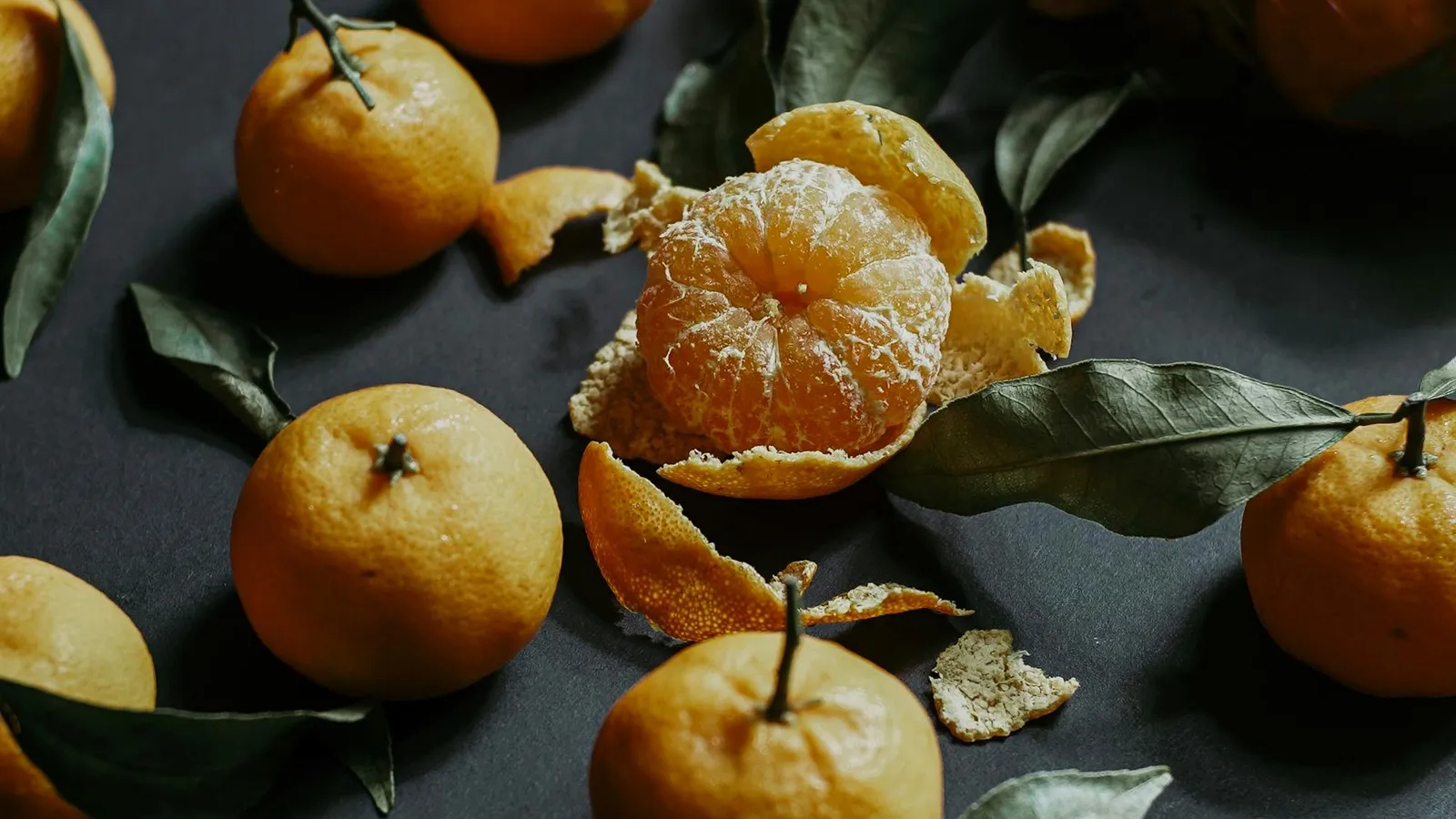
Daisy Mandarin: Flavour, Harvest Season and Care
Learn all about the Daisy mandarin in Australia. Find details on sweet flavour, harvest timing, fruit characteristics, and practical backyard tree care.
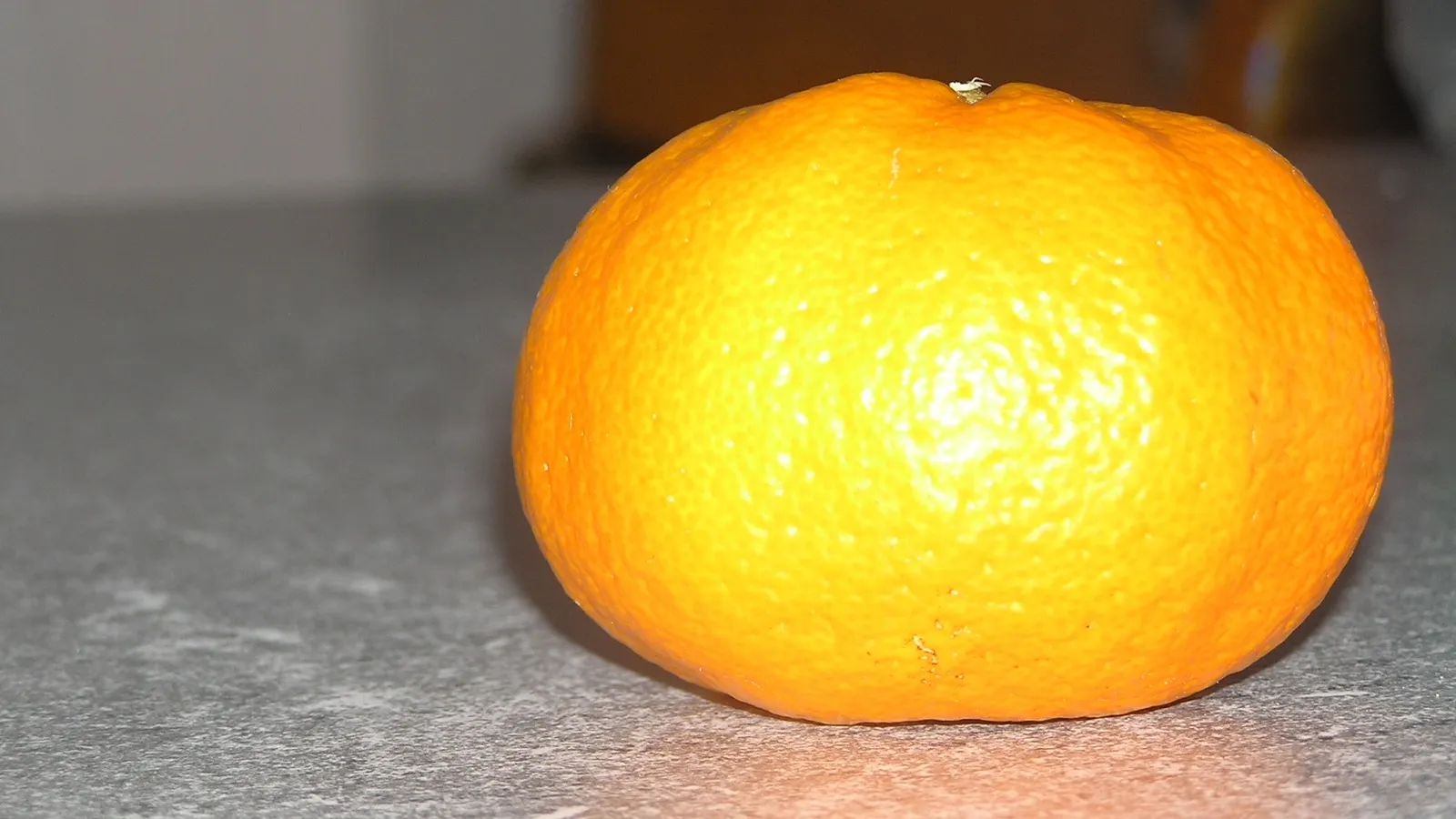
Hickson Mandarin Guide: Season, Flavour and Care
Hickson mandarin fruit profile for Australian gardeners. Find harvest dates, easy peeling qualities, rich flavour notes, and backyard growing advice.
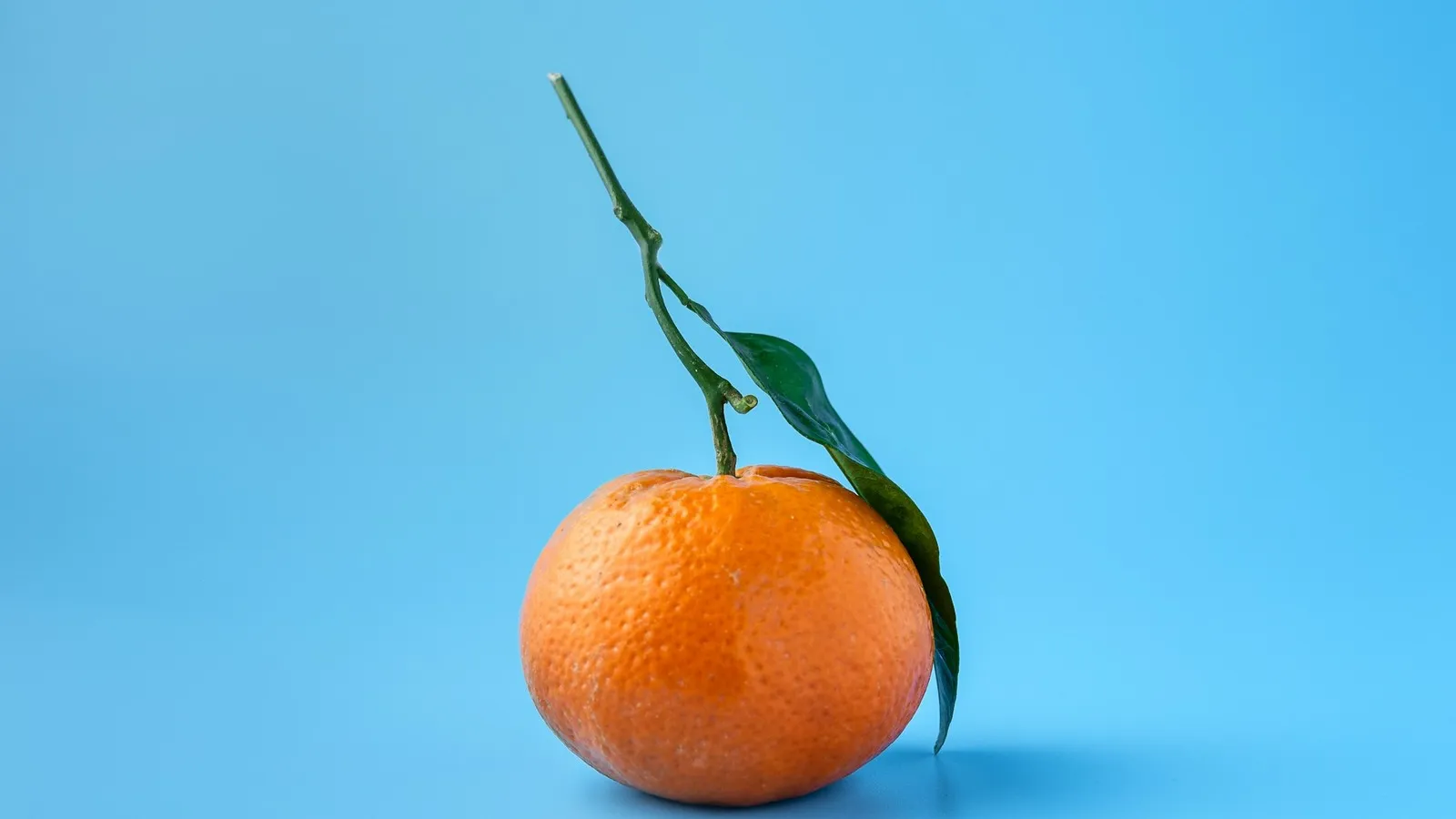
Honey Murcott Mandarin: Season, Seeds and Flavour
Honey Murcott mandarin season runs late winter into spring. Learn whether this sweet fruit has seeds, how to pick the juiciest crop, and simple tree care.
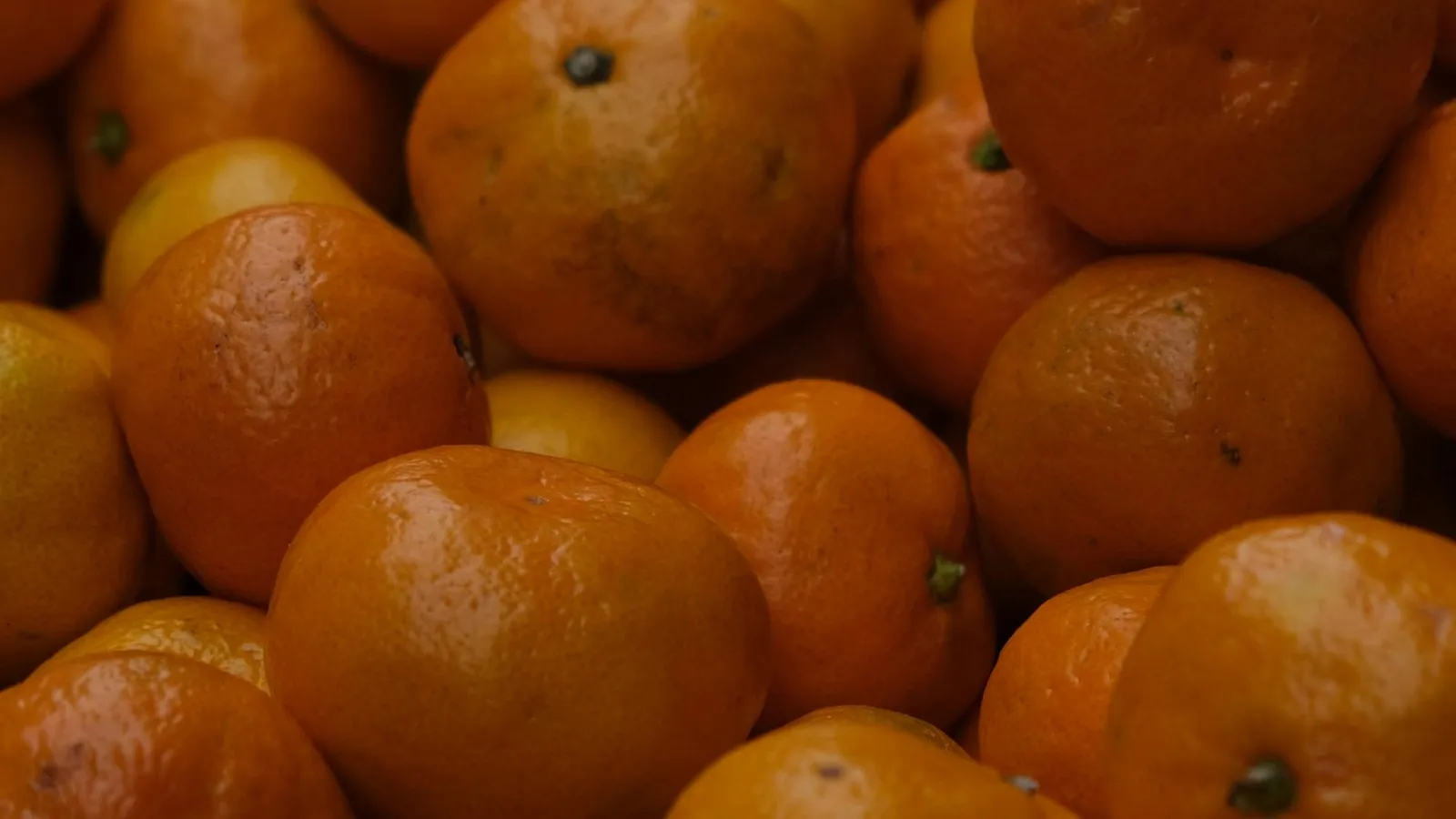
Imperial Mandarin
Imperial mandarin is the early Australian favourite: easy to peel, sweet, usually low seed, and tied to a NSW origin story.
Mandared and Tango Mandarins: Flavour and Harvest
Compare Mandared and Tango mandarins. Learn about red flesh colour, seedless traits, harvest timing, and sweet flavour profiles for Australian growers.
Mandarins vs Clementines: Differences Explained
Learn the differences between mandarins and clementines, including taste, peelability, seed count, and which variety is sold in Australian shops.
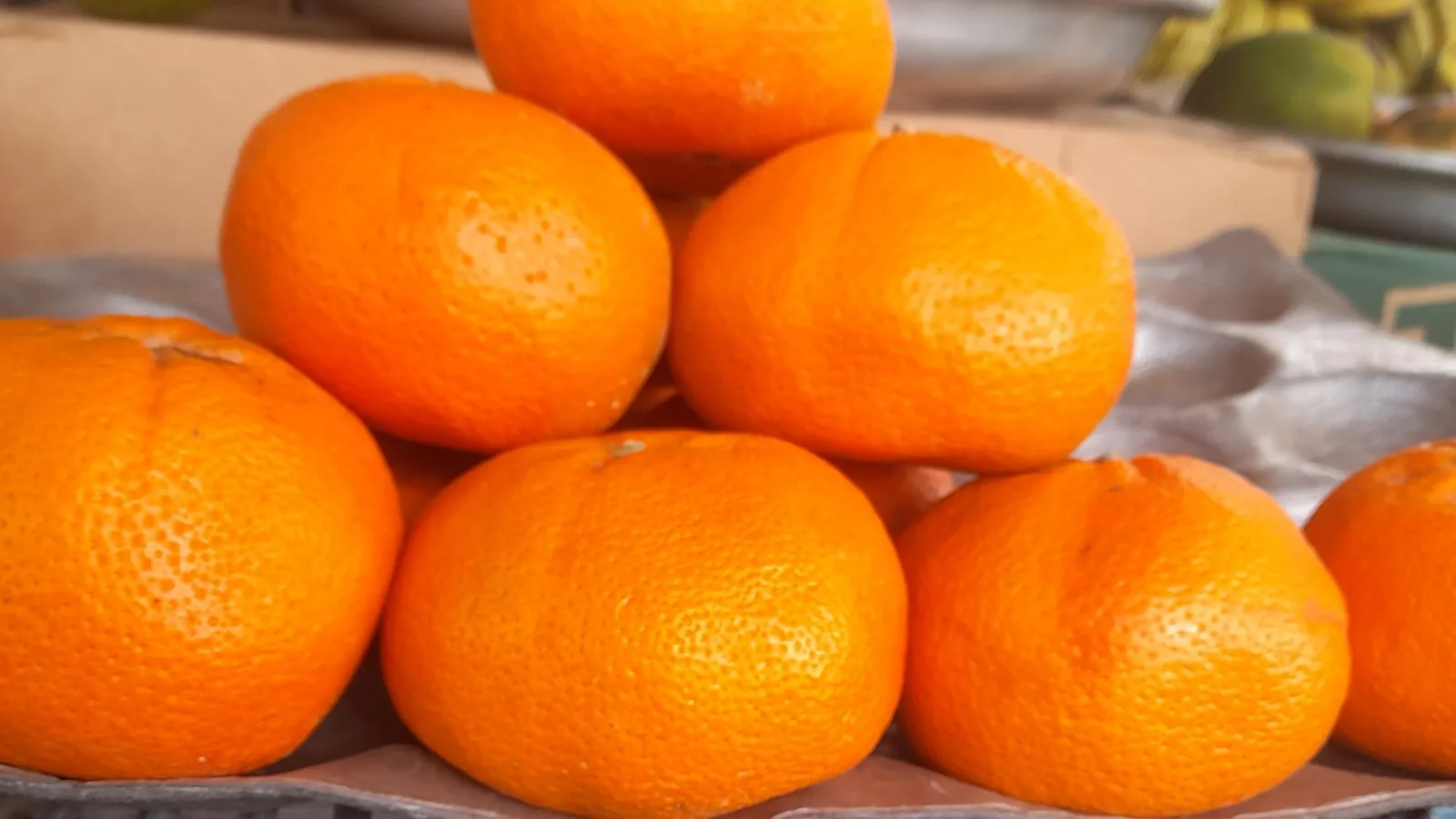
Mandarins vs Oranges: Key Differences and Nutrition
Learn the difference between mandarins and oranges, from sweetness and peeling ease to vitamin C content and calorie counts in Australian citrus fruit.
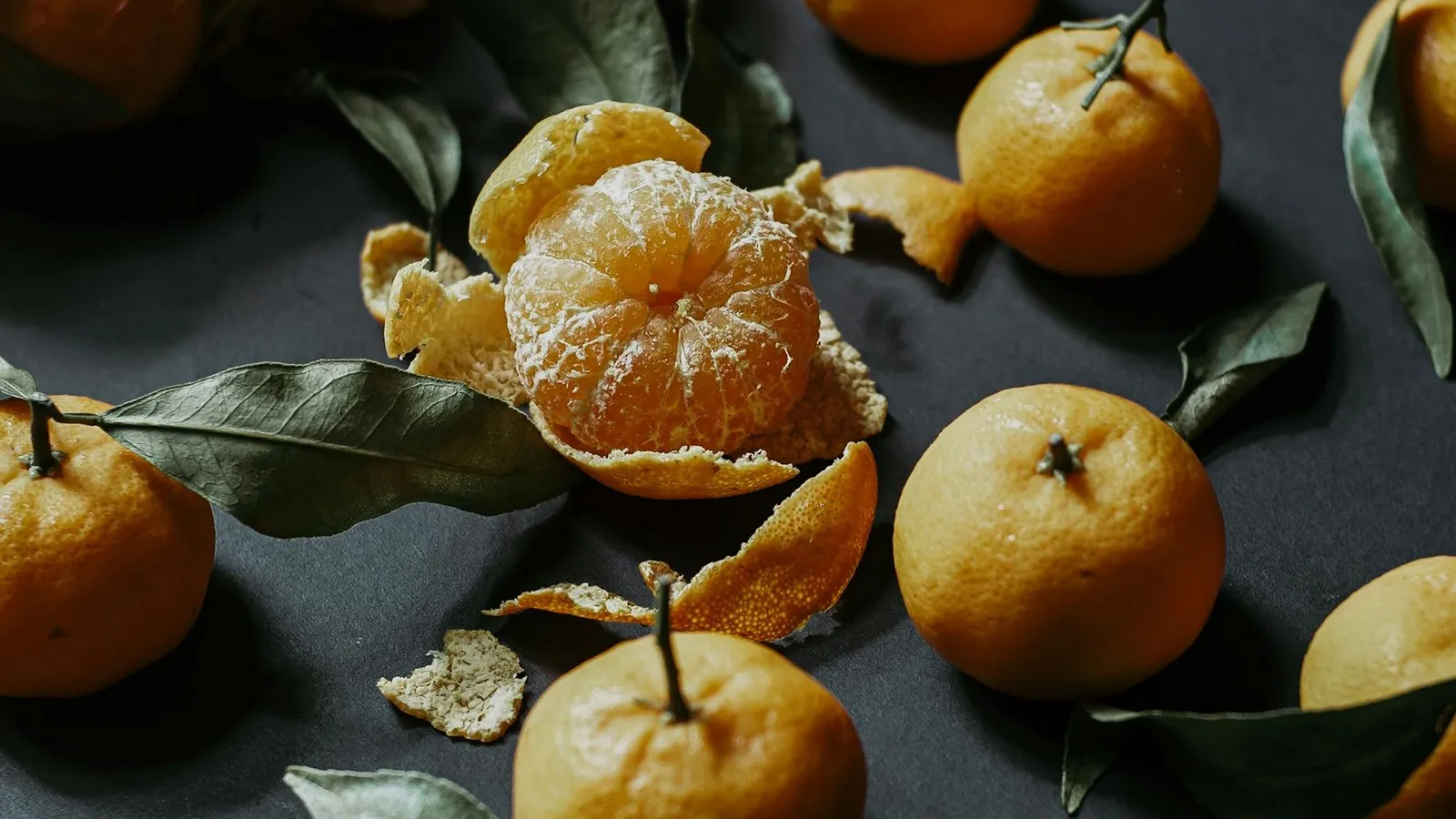
Mandarins vs Tangerines
Mandarins vs tangerines is mostly a naming question in Australia. Tangerine is a type or marketing name within the wider mandarin group.
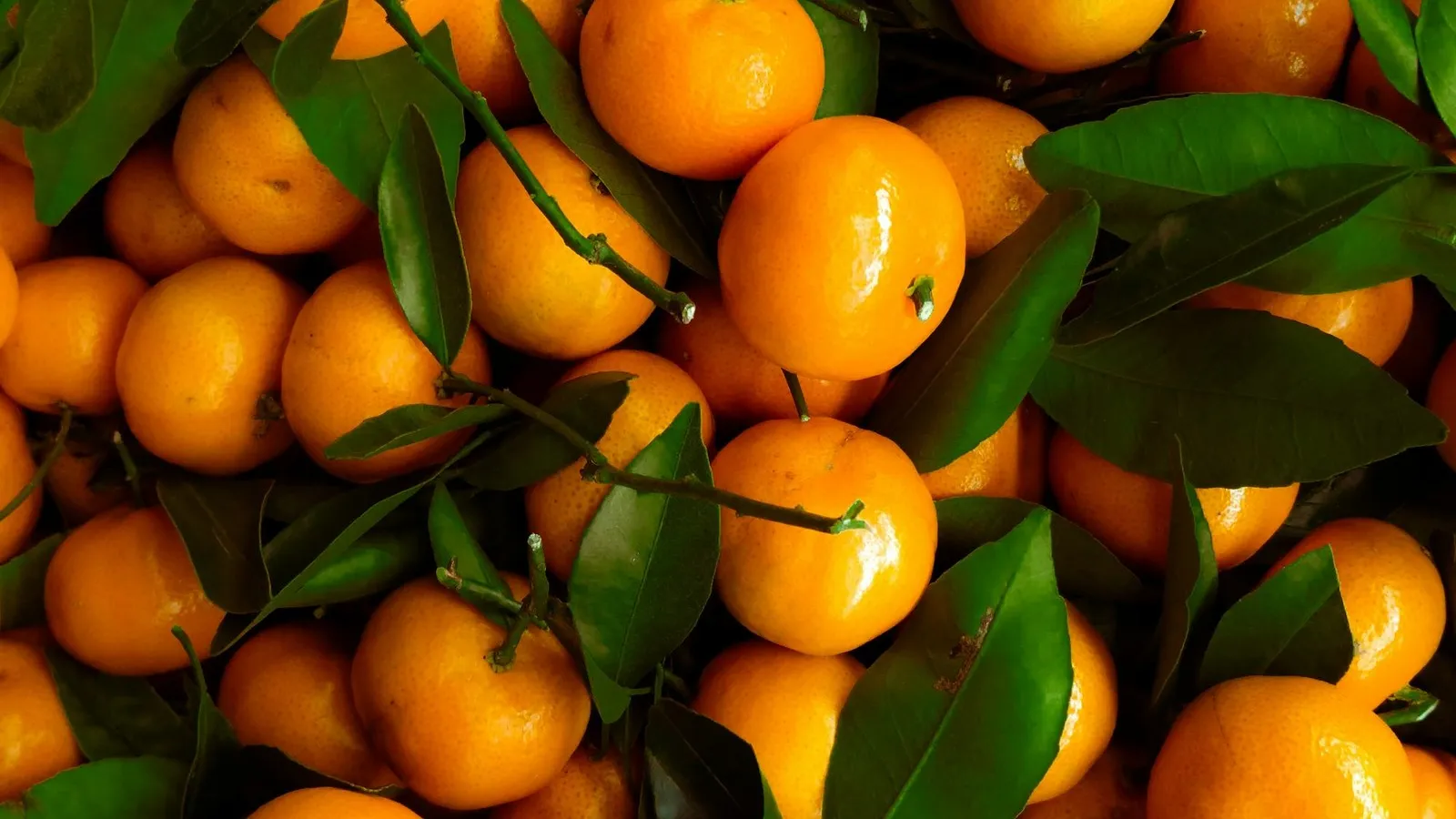
Satsuma Mandarin: Seedless Early Season Citrus
Satsuma mandarin varieties offer easy peeling, seedless flesh, and an early autumn harvest. Read key growing tips and fruit selection advice in Australia.
Sumo Mandarin in Australia: Season, Taste, and Facts
Sumo mandarin season in Australia runs July to September. Learn what makes this seedless, easy-peel Dekopon citrus so large, sweet, and distinct.