Mandarins in Australia: A History
Mandarins in Australia have a local story, from early Sydney citrus plantings to the Imperial mandarin and regional citrus towns.
Australia has a local mandarin history that is separate from the broader global citrus story. The most distinctive fact in that history is a simple one: the variety that started every Australian mandarin season for more than a century, the Imperial, was raised in New South Wales in the 1890s. Not imported from Spain, not developed in California, but grown at Emu Plains on the Nepean River.
This page is the starting point for citrus history on Mandarins.com.au. Use the links below to go deeper on any part of the story.
In this section
- A short history of citrus in Australia. From the First Fleet to the modern industry
- Mandarins and Lunar New Year in Australia. Tradition, symbolism, and Australian context
- The Gayndah Orange Festival. Queensland’s citrus festival since 1957
Where mandarins originally come from
Mandarins have been cultivated in China for several thousand years. They spread east to Japan and the Philippines and west through India, Arabia, and North Africa. They entered Europe through Morocco (imported through the port of Tangiers, which gave the mandarin one of its alternative names, tangerine).
The name “mandarin” comes from the fruit’s association with the officials of the Chinese Imperial Court, the Mandarins, for whom the deep orange colour of the fruit was significant.
By the time Australia was colonised, mandarin cultivation was well established across much of Asia.
First citrus in Australia
The First Fleet brought citrus seeds and seedlings to New South Wales in 1788. Oranges and lemons were the priority, and early colonial gardens at Parramatta and along the Hawkesbury and Nepean rivers were producing citrus within a few years of settlement.
Mandarins arrived later, most likely through trade with China. By 1828, the Sydney Botanic Gardens catalogue documented four mandarin varieties already under cultivation in the gardens, indicating the fruit was present in the colony by that date. For the full story of how citrus developed in Australia from the colonial period through to commercial scale, see the citrus history page.
The Imperial story: Emu Plains, 1890s
The development of the Imperial mandarin is the standout fact in Australian citrus history.
In the 1890s, at Emu Plains on the Nepean River west of Sydney, a new mandarin variety was raised that would go on to dominate Australian production for more than a century. Named the Imperial, it is an early-season variety with thin, smooth skin, easy peel, few seeds, and sweet-tart flesh. It typically ripens from April, making it the first mandarin of the Australian season each year.
The Diggers Club, one of Australia’s oldest horticultural nurseries, describes it as “an Australian heirloom, raised during the 1890s at Emu Plains, NSW.”
The Imperial’s early-season position means it reaches market before competition from later varieties. Its easy peel made it the default school lunchbox fruit for Australian children through most of the 20th century. It still accounts for approximately 24 per cent of Australia’s fresh mandarin production.
For more detail on the variety itself, including current growing advice and season timing, see the Imperial mandarin page.
Industry growth
Commercial citrus growing in Australia began seriously in the 1860s in New South Wales, centred on the Hawkesbury and Nepean valleys and the coastal districts around Gosford. The expansion of rail into regional NSW from the 1860s made inland production viable by connecting growers to the Sydney market.
By the late 19th and early 20th centuries, large-scale irrigation along the Murray-Darling river system opened up the Riverina in NSW and the Riverland in South Australia. The Riverina is now the largest citrus region in Australia, with approximately 8,500 hectares under production.
In Queensland, the North Burnett region around Gayndah and Mundubbera developed as a distinct citrus belt. Family orchards in the region have multigenerational histories. Walter Benham planted an orange tree on the Burnett River near Gayndah in 1924; his descendants are still growing citrus there today. Queensland has become a major mandarin exporter, with up to 50 per cent of North Burnett mandarin production now going to Asian markets, particularly China and Thailand.
For a full account of how the industry developed from the colonial period to the present, see a short history of citrus in Australia.
Cultural role: Lunar New Year, lunchboxes, and community identity
Mandarins carry cultural weight in Australia beyond their role as a winter fruit.
Lunar New Year. Australia has a large Chinese-Australian community, and Lunar New Year celebrations use mandarin oranges as a central element. In Cantonese, the informal word for mandarin orange, gam, sounds like the word for gold, making the fruit a symbol of wealth and good fortune. Mandarins are given in pairs or groups of eight during new year visits, placed on family altars, and displayed on small decorative citrus trees. The Lunar New Year falls between late January and mid-February, outside Australia’s fresh mandarin season, so the fruit sold in Chinese grocers and Asian supermarkets at this time is typically imported or from cold storage. For more on this tradition and its Australian context, see mandarins and Lunar New Year in Australia.
The school lunchbox. Through the 20th century, the Imperial mandarin became the default school lunchbox fruit for Australian children. Easy to peel, no mess, compact, and sweet. This cultural role helped embed mandarins as a staple of Australian domestic fruit consumption in a way that required no particular culinary effort.
Regional identity. In some parts of Australia, citrus is bound up with town identity in a direct way. Gayndah in Queensland’s North Burnett calls itself the citrus capital of Queensland. Its biennial festival, the Gayndah Orange Festival, has run since 1957 and draws thousands of visitors to a town that is otherwise small and remote. The festival is the clearest example of how citrus can become the defining characteristic of an Australian rural community.
Christmas. Mandarin season runs from approximately April to September across most Australian regions, with some late-season varieties extending to October. This means mandarins are not traditionally associated with Christmas in Australia the way they are in the northern hemisphere, where citrus arrives as the winter holidays begin. However, late-season Honey Murcott and Afourer varieties can extend into October in some regions, and they appear in Christmas markets alongside other late summer and early autumn produce.
The modern industry
Australia now grows more than ten commercial mandarin varieties. Imperial remains important as the early-season opener, but Honey Murcott, Afourer (Nadorcott), Daisy, and newer varieties including Mojo and Empress account for an increasing share of production.
The NSW DPI mandarin production manual (2017), produced with ACIAR funding, remains the most comprehensive technical reference for Australian mandarin growers, covering orchard establishment, seasonal management, and variety selection across Australian growing regions.
Australian mandarin exports reach Hong Kong, mainland China, Singapore, Malaysia, Vietnam, and other Asian markets. The Australian winter season (April to September) aligns with northern hemisphere summer, creating a counter-seasonal export advantage.
For regional detail, see mandarin growing regions and the Citrus Australia industry overview.
Related pages
History
- A short history of citrus in Australia
- Mandarins and Lunar New Year in Australia
- The Gayndah Orange Festival
Varieties
Industry and regions
Other topics
Explore History
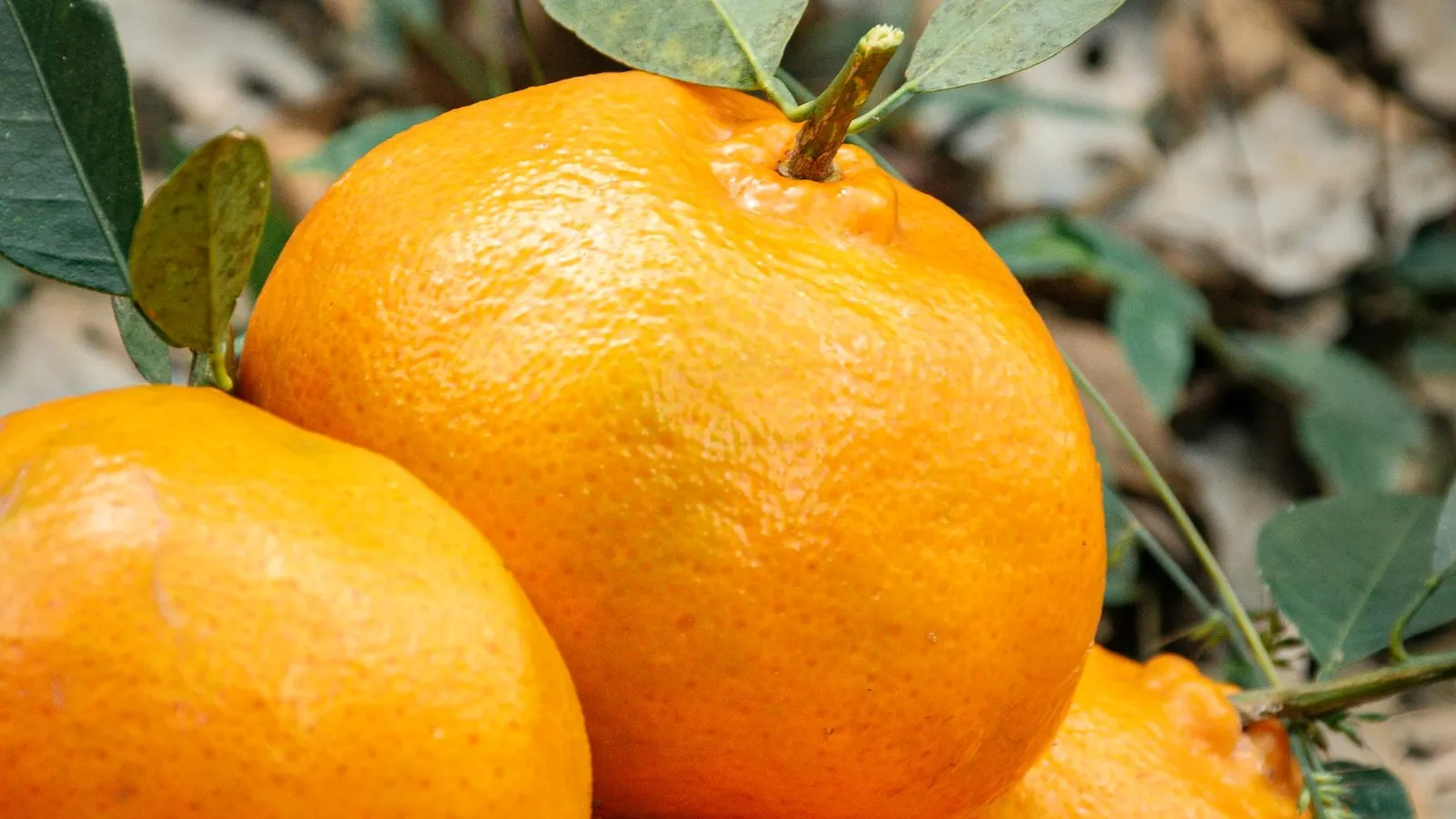
Citrus History in Australia: First Fleet to Today
Read the history of citrus in Australia, from the First Fleet arrivals in 1788 to the expansion of commercial riverland orchards and modern varieties.

Gayndah Orange Festival: Dates, Events and Guide
Plan your visit to the biennial Gayndah Orange Festival in Queensland. Get event dates, citrus competitions, family activities, and travel details.
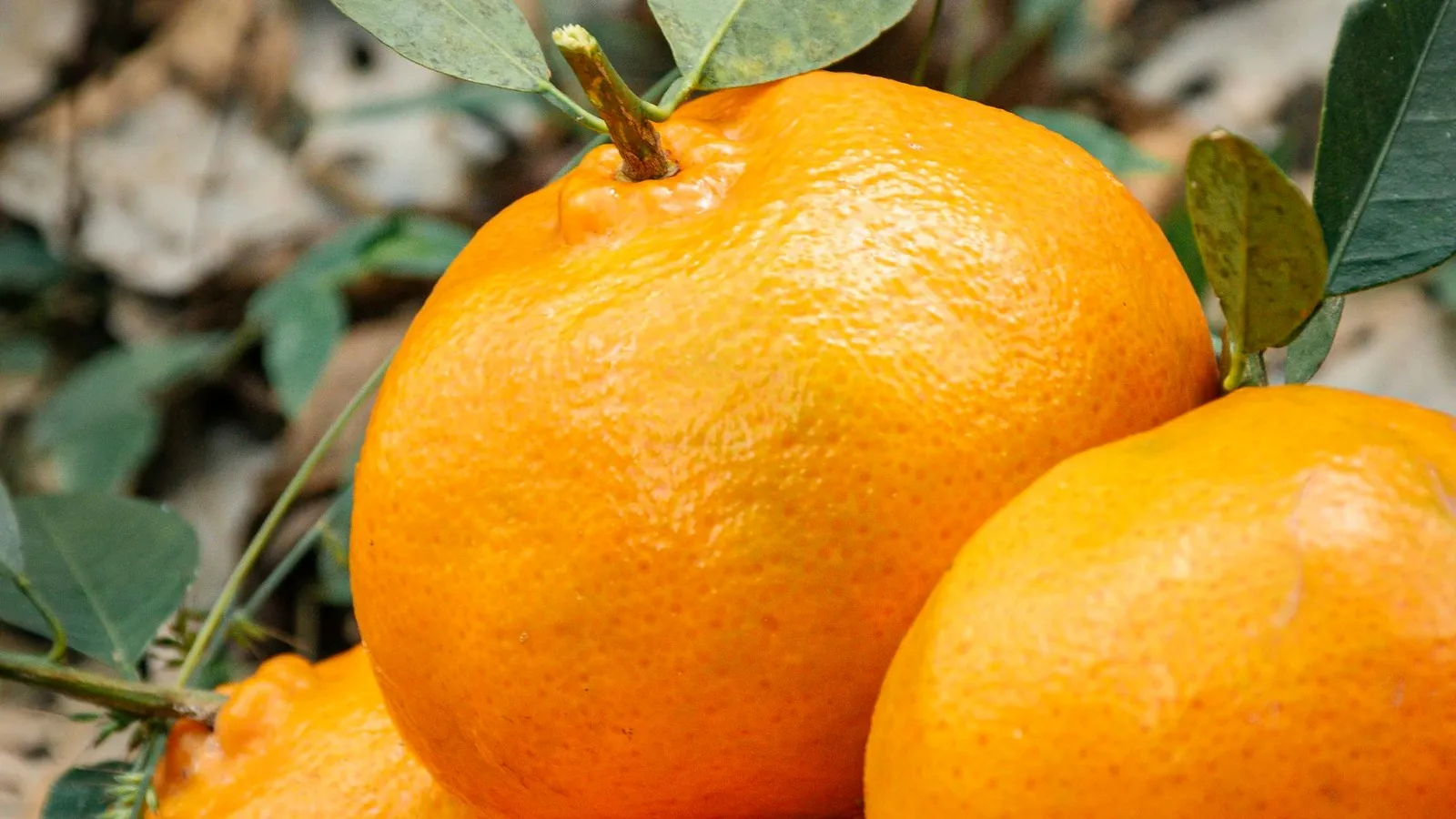
Mandarins in Lunar New Year: Tradition and Meaning
See why mandarins are given during Lunar New Year in Australia. Learn the cultural symbolism of luck and wealth, plus tips for selecting fresh fruit.