Which Mandarins Are Seedless?
Tango and Satsuma are the truly seedless mandarins in Australia, while Imperial is only low-seeded. See which varieties stay seedless and why.
The most reliably seedless mandarins in Australia are Tango (Tangold) and Satsuma, with Afourer close behind when grown under bee exclusion netting. Imperial, Australia’s popular early mandarin, is low-seeded rather than truly seedless, generally having fewer than four seeds per fruit. The seedy varieties to watch out for are Honey Murcott, Hickson, and Daisy. Most commercial seedless mandarins only remain seedless when grown away from other citrus trees, because bees cross-pollinate the flowers and trigger seed development.
Seedless vs seedy mandarins at a glance
| Variety | Seed status | Notes |
|---|---|---|
| Tango (Tangold) | Truly seedless | Averages 0.1 seeds per fruit even near pollinating citrus |
| Satsuma (Okitsu) | Truly seedless | Parthenocarpic fruit develops naturally without pollination |
| Afourer | Seedless to low-seed | Seedless when netted, 1 to 5 seeds naturally, up to 10 if pollinated |
| Imperial | Low-seeded | Australia’s early favourite, generally fewer than 4 seeds |
| Clementine | Variable | Seedless in isolated blocks, seedy in mixed orchards |
| Sumo (Dekopon) | Marketed as seedless | Sold as seedless by retailers, seed counts can vary |
| Honey Murcott | Seedy | Late-season fruit with high seed counts |
| Daisy | Seedy | Early to mid-season fruit with high seed numbers |
| Hickson | Seedy | Mid-season variety, typically 10 to 15 seeds per fruit |
Why “seedless” mandarins sometimes have seeds
In commercial citrus production, “seedless” does not mean zero seeds. The Australian industry standard defines a seedless batch as having no more than 20 seeds across a 20-fruit sample, with no more than 3 seeds in any single fruit.
Many mandarin trees are seedless only when grown in isolation from other citrus. These varieties are self-incompatible, meaning their own pollen cannot fertilise the flower. When bees carry pollen from a neighbouring lemon, orange, or seeded mandarin orchard, the flower sets seed. To prevent this cross-pollination, growers drape orchards in netting to keep bees out before spring flowering begins.
Are Imperial mandarins seedless?
Imperial mandarins are not seedless. Selected around 1890 in Emu Plains, New South Wales, Imperial is classified as a low-seeded variety.
An Imperial typically contains between one and four seeds per fruit. Seed counts drop in large, solid orchard blocks where no other citrus types are nearby, but you should always expect the occasional seed. Their easy-peel skin and early harvest window make them popular lunchbox fruit despite the occasional pip.
Are Afourer mandarins seedless?
Afourer mandarins (also known as Nadorcott or W. Murcott) are naturally seeded. Left to grow near other citrus, an Afourer tree produces fruit with 1 to 5 seeds, and up to 10 seeds under heavy cross-pollination.
Most commercial Afourers sold in Australian supermarkets are seedless because growers isolate the trees or cover whole blocks with bee netting during bloom.
If you want an Afourer style without relying on netting, look for Tango (Tangold). Tango is an irradiated selection that stays seedless even under heavy pollination, averaging roughly 0.1 seeds per fruit. You can learn more about its traits in our Tango mandarin guide.
Are Honey Murcott mandarins seedless?
No. Honey Murcott mandarins are distinctly seedy.
Arriving late in the season, Honey Murcott produces fruit packed with high sugar and rich juice, but each piece contains numerous seeds. They are popular for juicing and slicing, though they are harder to eat out of hand than early-season fruit. See our Imperial vs Honey Murcott comparison to compare the two varieties directly.
Other varieties: Daisy, Hickson, Satsuma, and Sumo
Seed counts across other common Australian varieties fall into distinct categories:
- Satsuma mandarins: Truly seedless. Satsuma varieties like Okitsu are parthenocarpic, meaning the fruit forms and ripens without pollination.
- Daisy mandarins: Seedy. This early to mid-season variety has rich flavour and deep colour, but contains high seed numbers.
- Hickson mandarins: Seedy. Expect 10 to 15 seeds per fruit in this classic mid-season citrus.
- Sumo mandarins: Known botanically as Shiranui or Dekopon, Sumo is marketed as seedless by major Australian greengrocers and retailers.
- Clementine: Low-seed to seedy. Clementines remain seedless when grown in solid blocks, but they turn quite seedy if exposed to foreign citrus pollen.
Review our guide to Australian mandarin varieties for harvest windows and flavour profiles for each type.
How to choose seedless mandarins when shopping
Because seed counts are tied to tree genetics and pollination control, matching your shopping to the mandarin season ensures you get low-seed or seedless fruit:
- Early season (autumn to mid-winter): Buy Imperial or Satsuma. Satsuma is seedless, while Imperial is low-seeded.
- Late season (late winter to spring): Buy netted Afourer or Tango. Skip Honey Murcott if you want to avoid seeds entirely.
- Read retail labels: Supermarkets such as Coles and Woolworths usually brand netted Afourer or Tango crops as “Seedless Mandarins” on bag tags and shelf displays.
For tips on skin quality, weight, and storage, visit our mandarin buying guide.
Explore Varieties
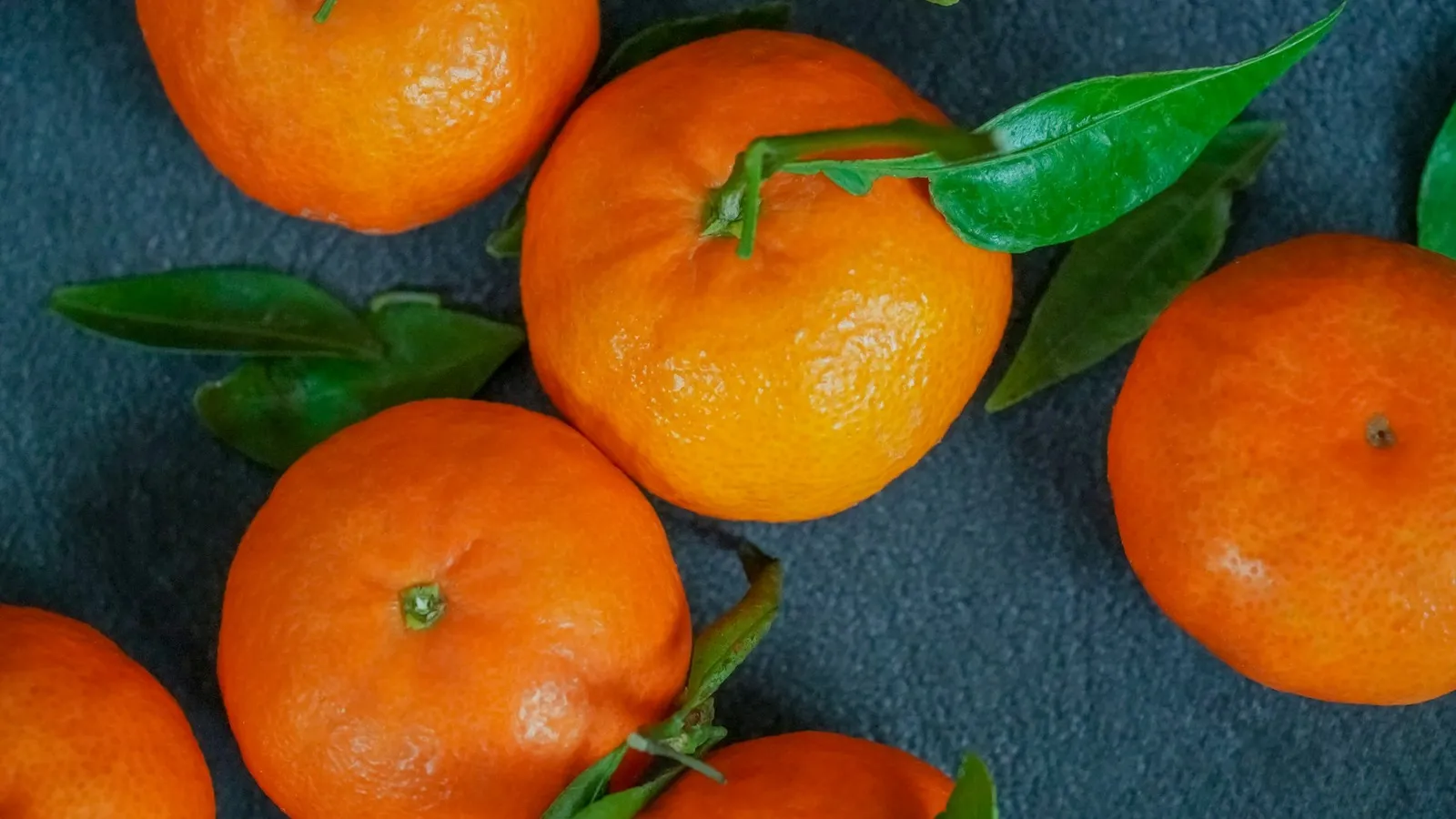
Afourer Mandarin Guide: Season, Flavour and Seeds
Learn about Afourer mandarins in Australia. Find season timing, deep orange peel traits, rich sweet flavour, and why some crops remain seedless.
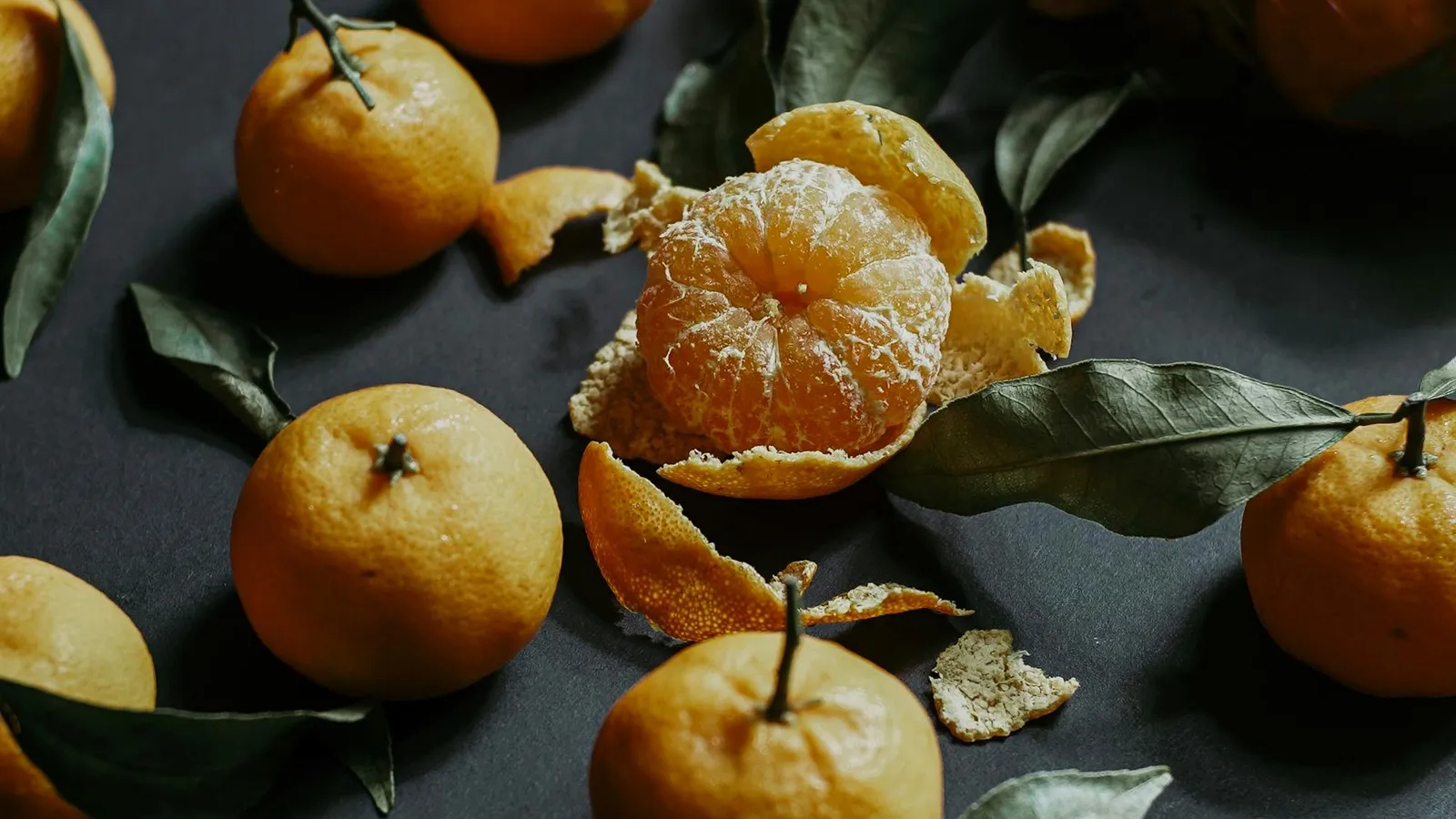
Daisy Mandarin: Flavour, Harvest Season and Care
Learn all about the Daisy mandarin in Australia. Find details on sweet flavour, harvest timing, fruit characteristics, and practical backyard tree care.
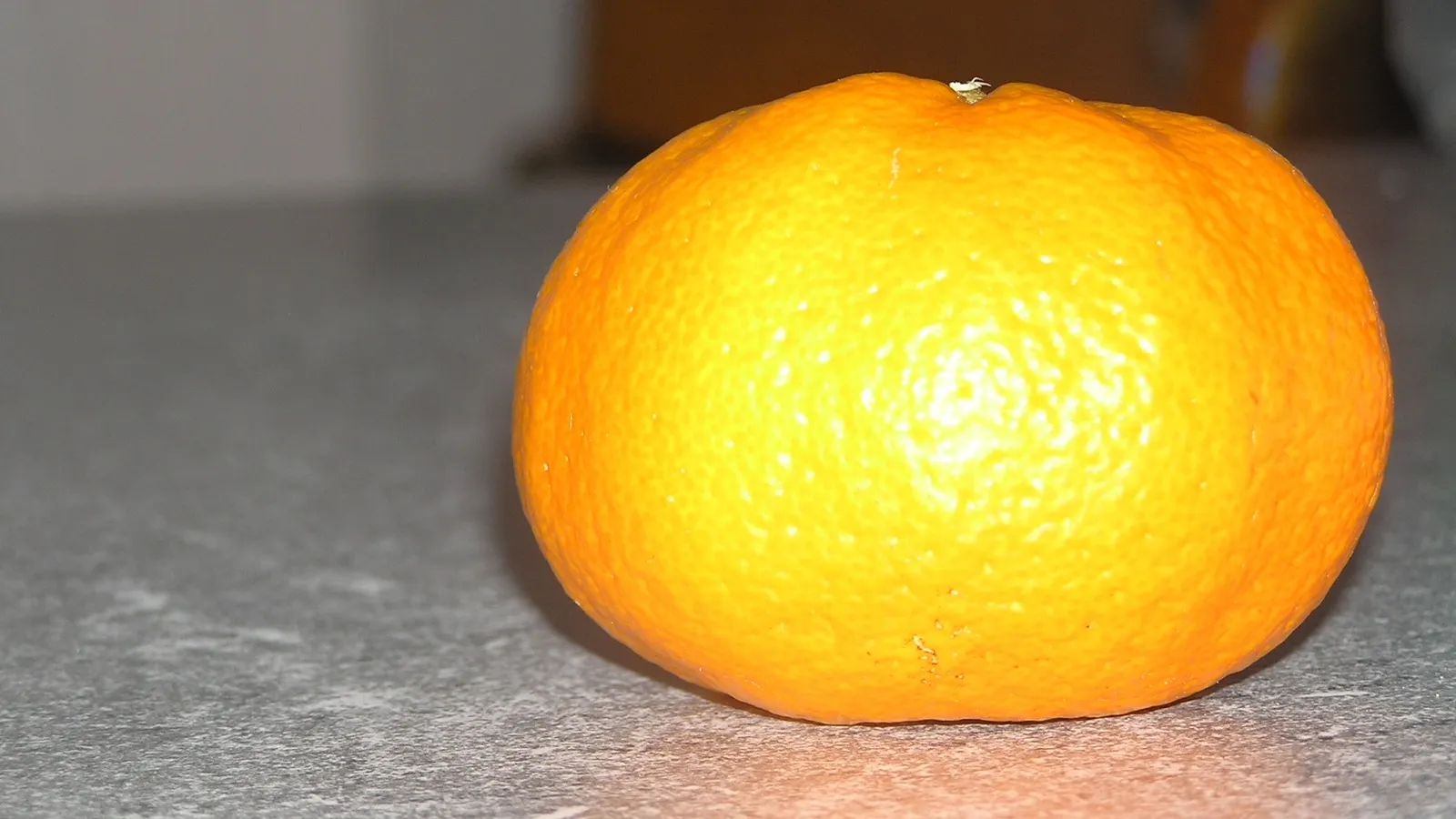
Hickson Mandarin Guide: Season, Flavour and Care
Hickson mandarin fruit profile for Australian gardeners. Find harvest dates, easy peeling qualities, rich flavour notes, and backyard growing advice.
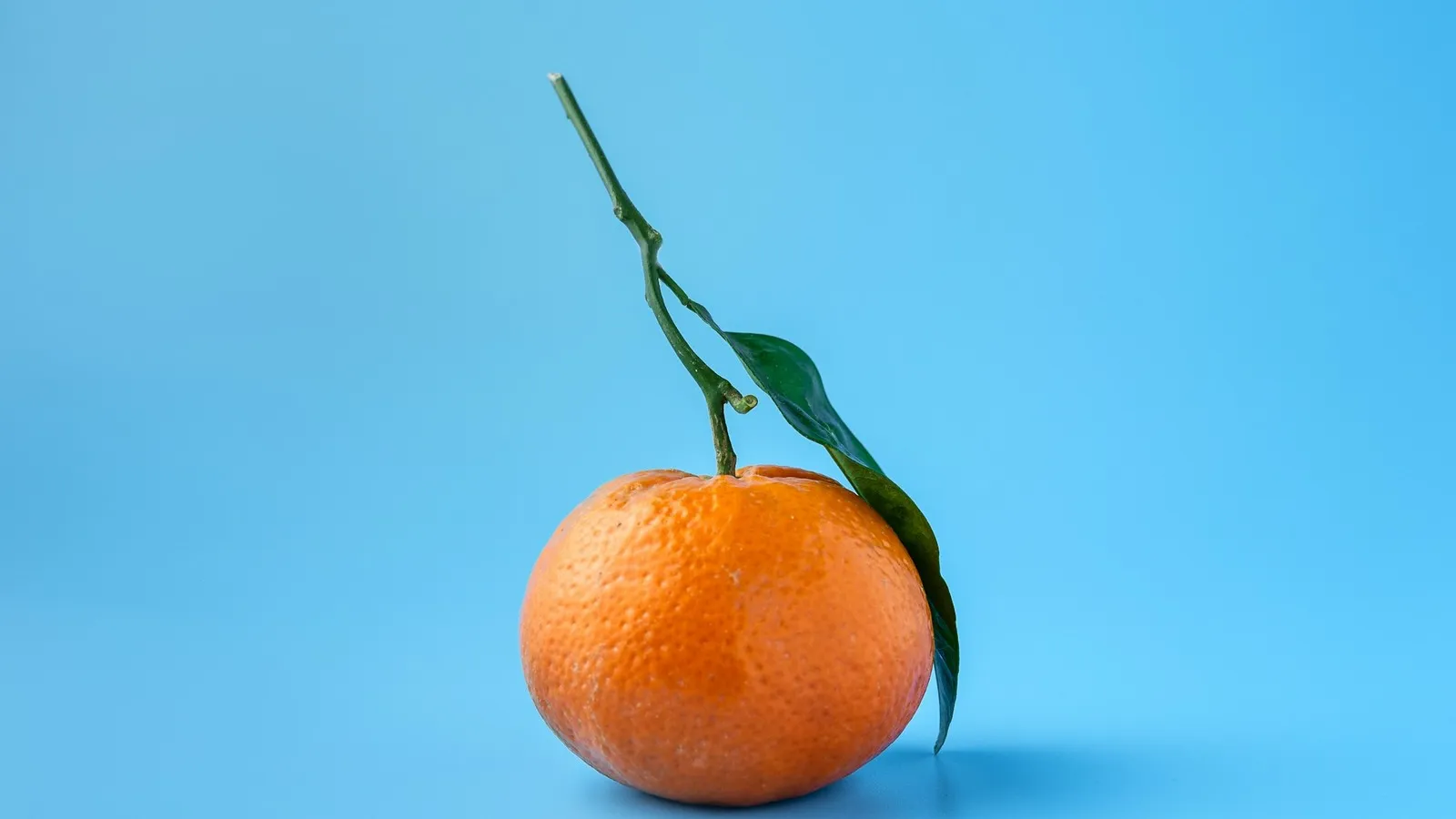
Honey Murcott Mandarin: Season, Seeds and Flavour
Honey Murcott mandarin season runs late winter into spring. Learn whether this sweet fruit has seeds, how to pick the juiciest crop, and simple tree care.
Imperial Mandarin
Imperial mandarin is the early Australian favourite: easy to peel, sweet, usually low seed, and tied to a NSW origin story.
Mandared and Tango Mandarins: Flavour and Harvest
Compare Mandared and Tango mandarins. Learn about red flesh colour, seedless traits, harvest timing, and sweet flavour profiles for Australian growers.
Mandarins vs Clementines: Differences Explained
Learn the differences between mandarins and clementines, including taste, peelability, seed count, and which variety is sold in Australian shops.
Mandarins vs Oranges: Key Differences and Nutrition
Learn the difference between mandarins and oranges, from sweetness and peeling ease to vitamin C content and calorie counts in Australian citrus fruit.
Mandarins vs Tangerines
Mandarins vs tangerines is mostly a naming question in Australia. Tangerine is a type or marketing name within the wider mandarin group.
Satsuma Mandarin: Seedless Early Season Citrus
Satsuma mandarin varieties offer easy peeling, seedless flesh, and an early autumn harvest. Read key growing tips and fruit selection advice in Australia.
Sumo Mandarin in Australia: Season, Taste, and Facts
Sumo mandarin season in Australia runs July to September. Learn what makes this seedless, easy-peel Dekopon citrus so large, sweet, and distinct.